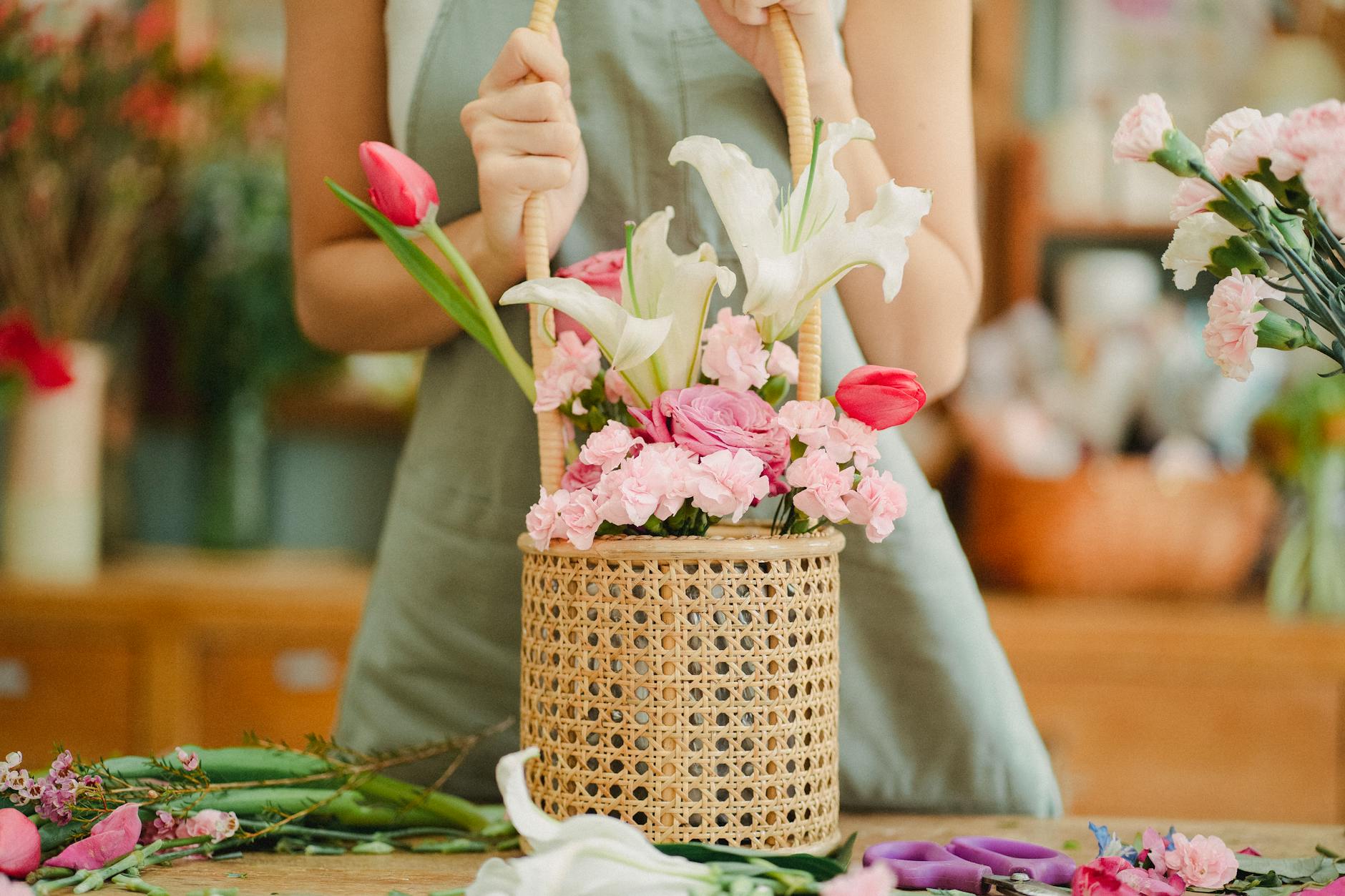
New York's luxury floristry market signals robust HNW spending confidence — the same capital driving demand for rare whisky, fine wine, and collectibles. Rare Scotch casks have appreciated 478% over 10 years. Follow the wealth concentration, not the flowers.
Luxury Floristry as an Investment Signal: What the Numbers Reveal
Luxury floristry in New York City is not merely an aesthetic industry — it is a leading indicator of high-net-worth spending confidence, event-driven capital flows, and the broader alternative asset market. The U.S. floral industry generates approximately $13 billion annually, with the premium segment growing at an estimated 6–8% per year as ultra-wealthy consumers increasingly redirect discretionary spending toward bespoke, experiential luxury. New York's top-tier florists — studios commanding five-figure commissions for single events — serve the same clientele that drives demand for rare whisky casks, blue-chip art, and vintage timepieces. Understanding where that money moves, and why, is a meaningful signal for alternative asset investors tracking wealth concentration and taste-driven demand.
The overlap between luxury floristry clients and serious alternative asset investors is not coincidental. Florists such as Putnam and Putnam, Ovando, and L'Olivier Floral Atelier regularly serve hedge fund principals, private equity partners, and family offices — the same demographic allocating meaningfully to non-correlated assets. A bespoke installation from one of Manhattan's leading studios can cost anywhere from $25,000 to over $200,000 for a single corporate or private event. That willingness to deploy capital on perishable luxury goods reflects a broader psychology: when wealthy individuals spend freely on ephemeral beauty, they are simultaneously seeking permanence and store-of-value in their investment portfolios.
Why Luxury Spending Trends Matter to Alternative Asset Allocators
The correlation between luxury goods spending and alternative asset inflows is well-documented. Knight Frank's 2024 Wealth Report noted that 34% of ultra-high-net-worth individuals increased their allocation to collectibles and alternative assets over the prior 12 months — a period that also saw record revenues across New York's luxury hospitality and events sectors. When top hotels including The Mark, The Plaza, and Rosewood New York commission exclusive floral installations running into six figures per season, it signals that the capital base supporting luxury markets remains robust. For investors, this is not background noise — it is confirmation that the demand environment underpinning rare and collectible assets continues to strengthen.
Scarcity is the connective tissue between luxury floristry and investment-grade alternatives. The florists trusted by Manhattan's elite operate with deliberately constrained capacity — some accept fewer than 40 commissions per year to maintain exclusivity and quality. This mirrors the supply logic governing the best-performing alternative assets: aged Scotch whisky casks, for instance, are finite by definition, with production from closed distilleries such as Port Ellen or Brora never to be repeated. The Rare Whisky 101 index recorded a 478% appreciation in rare Scotch values over the 10 years to 2023, driven precisely by this irreplaceable scarcity. The same wealthy individuals curating their surroundings with $50,000 floral tablescapes are the buyers pushing hammer prices at Bonhams and Sotheby's whisky auctions to record highs.
Key Investment Data Points Connecting Luxury Demand to Alternatives
- Rare whisky 10-year appreciation: +478% (Rare Whisky 101 Apex 1000 Index, 2013–2023)
- U.S. luxury floral market growth: 6–8% CAGR, with New York commanding the highest per-event spend nationally
- Knight Frank Luxury Investment Index 2024: Rare whisky ranked among top-performing collectible asset classes over 10 years
- Single-event floristry commissions: $25,000–$200,000+ at New York's leading studios
- Ultra-HNW alternative asset allocation increase: 34% of respondents increased exposure in 2023 (Knight Frank)
These figures collectively point to a single conclusion: the high-net-worth ecosystem sustaining New York's luxury florists is the same ecosystem driving demand for scarce, appreciating alternative assets. Investors who track luxury spending as a proxy for wealth confidence are better positioned to time their entries into markets where emotional and financial value converge — fine wine, rare whisky, watches, and museum-quality art chief among them.
Investment Takeaway: Follow the Capital, Not the Flowers
The actionable insight here is not to invest in floristry — it is to recognise that the spending patterns of ultra-wealthy New Yorkers are a reliable leading indicator for alternative asset demand. When discretionary luxury spending remains elevated, the bid for scarce, tangible stores of value tends to follow. Investors seeking non-correlated returns should be paying close attention to the asset classes that attract the same buyers: rare Scotch whisky casks remain one of the most compelling, combining finite supply, growing global demand from Asia and North America, and a 10-year track record of double-digit annualised appreciation. A single cask of aged single malt from a prestigious Scottish distillery can appreciate 10–15% annually under favourable conditions, with physical ownership providing a level of tangibility that equities and crypto cannot replicate. The signal from New York's luxury market is clear — capital is concentrating, and the smartest allocators are positioning accordingly.
Frequently Asked Questions
How does luxury consumer spending relate to alternative asset investment performance?
Luxury consumer spending among ultra-high-net-worth individuals tends to correlate with broader confidence in wealth preservation strategies. When HNW individuals spend heavily on bespoke luxury goods, they are typically also increasing allocations to tangible, scarce alternative assets such as rare whisky, fine wine, and art — asset classes that historically appreciate during periods of strong wealth concentration.
Why is rare Scotch whisky considered a strong alternative investment?
Rare Scotch whisky benefits from irreplaceable scarcity — particularly from closed distilleries — combined with rising global demand, especially from Asian markets. The Rare Whisky 101 Apex 1000 Index recorded 478% appreciation over 10 years to 2023. Cask investment offers physical ownership, no annual management fees in many structures, and the potential for 10–15% annual appreciation on well-selected stock.
What are the typical entry costs for whisky cask investment?
Entry points for whisky cask investment typically range from approximately $5,000 to $50,000+ depending on distillery prestige, age, and cask size. Premium single malt casks from highly regarded Scottish distilleries command higher premiums but have historically delivered stronger long-term appreciation. Investors should work with specialist brokers who provide independent valuation and verified provenance documentation.
How do New York's luxury florists connect to the broader alternative asset market?
New York's leading luxury florists — studios such as Putnam and Putnam, Ovando, and L'Olivier — serve a client base that overlaps significantly with the investor community driving demand for alternative assets. Their client spending patterns, event volumes, and commission values serve as informal barometers of HNW capital confidence, making them useful proxies for tracking the health of the broader luxury and collectibles market.
What other alternative assets perform well alongside rare whisky?
Fine wine, blue-chip art, vintage watches, and rare collectibles have all demonstrated meaningful appreciation over multi-year holding periods. Knight Frank's Luxury Investment Index consistently ranks rare whisky, fine art, and classic cars among the top performers. Diversification across several of these asset classes can reduce volatility while maintaining exposure to the scarcity-driven appreciation dynamics common to all of them.
💼 Interested in alternative asset investment? Speak to the team at Whisky Cask Club — Singapore's leading whisky cask investment specialists.
💼 Interested in alternative asset investment? Speak to the team at Whisky Cask Club — Singapore's leading whisky cask investment specialists.