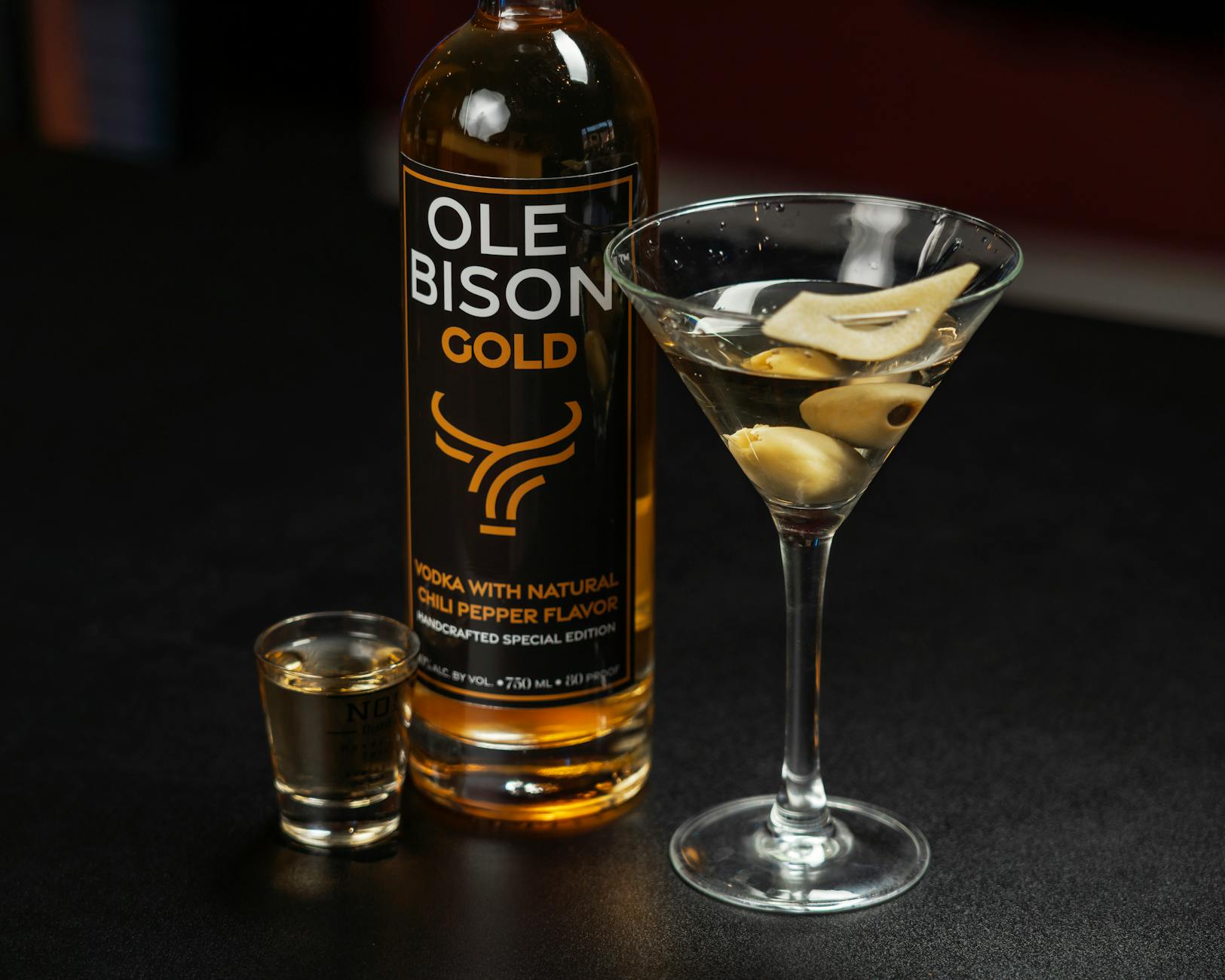
Altamura Distilleries is entering Japan via importer N.Experience. Japan's $2.1B spirits market and 8.4% vodka CAGR make this a credibility signal worth tracking. Premium spirits investors should monitor for limited-edition releases that could generate secondary market returns.
What Does Altamura Distilleries Entering Japan Signal for Premium Spirits Investment?
Altamura Distilleries entering Japan — one of the world's most demanding and high-value spirits markets — is a meaningful signal for investors tracking premium vodka as an alternative asset. Japan's imported spirits market was valued at approximately $2.1 billion USD in 2023, according to trade data from the Japan Spirits and Liqueurs Makers Association, and premium imported vodka has been among the fastest-growing subcategories, posting compound annual growth of around 8.4% between 2019 and 2023. The partnership with local importer N.Experience is not a vanity exercise; it is a calculated market-entry move that reflects growing institutional confidence in Japan as a destination for ultra-premium Western spirits. For investors holding or considering positions in premium spirits — whether through cask ownership, distillery equity, or collectible bottle funds — this expansion carries direct portfolio implications worth examining closely.
If you manage a diversified alternative assets portfolio, the entry of a craft distillery into Japan matters for a specific reason: Japan's consumers are among the most brand-loyal and quality-obsessed on the planet, and once a premium spirits brand gains traction there, it tends to sustain pricing power globally. Brand credibility earned in Japan has historically translated into secondary market price appreciation for limited-release bottles and aged expressions worldwide. The Macallan's dominance in Japanese auction rooms, for instance, helped anchor its global secondary market valuations — a dynamic that premium vodka producers are now beginning to replicate. This is the kind of market development that sophisticated investors should be tracking well before mainstream financial media picks it up.
Japan's premium spirits market is not just a sales destination — it is a global credibility signal. Brands that succeed there command pricing power everywhere else.
What Is Altamura Distilleries and Why Does It Matter to Alternative Asset Investors?
Altamura Distilleries is an Italian craft spirits producer with a focus on premium vodka, distinguished by its use of high-quality local agricultural inputs and artisan production methods. The distillery operates from the Puglia region of southern Italy, and its vodka is produced from locally sourced durum wheat — a raw material that gives the spirit a distinctive flavour profile and a verifiable provenance story. Provenance, as any seasoned alternative asset investor knows, is one of the primary drivers of long-term value appreciation. Whether the asset is a whisky cask, a vintage Bordeaux, or a limited-edition spirit, the ability to trace origin, production method, and supply constraints is what separates investable assets from consumables.
The distillery's decision to partner with N.Experience — a Japanese importer known for curating high-end, story-driven spirits for the Tokyo on-trade and specialist retail sector — suggests a deliberate positioning at the premium end of the market rather than a volume-driven play. This matters because premium positioning in Japan protects margin, limits distribution, and creates the scarcity conditions that underpin collectible and investment-grade bottle valuations. N.Experience has previously worked with boutique European producers to establish niche but loyal distribution networks in Japan, and their involvement signals that Altamura is not chasing supermarket shelf space — it is building the kind of brand equity that takes years to construct and is very difficult for competitors to replicate quickly.
Is Premium Vodka a Good Investment Compared to Whisky Casks and Fine Wine?
Premium vodka is a relatively nascent alternative investment category compared to Scotch whisky casks or Burgundy futures, but the data is beginning to support serious attention. According to the Rare Whisky 101 Apex 1000 Index, Scotch whisky collectibles appreciated by approximately 185% over the decade to 2023 — a benchmark that has attracted significant capital from family offices and high-net-worth individuals. Fine wine, tracked by the Liv-ex Fine Wine 1000 index, posted a 38% gain over the five years to 2023 before softening in 2024. Premium vodka bottles — particularly limited-edition and single-origin expressions — have not yet generated the same depth of secondary market data, but auction results from specialist platforms are beginning to paint an encouraging picture.
At Bonhams' spirits auctions in Hong Kong, ultra-premium vodka lots including Crystal Head and select Belvedere single-estate expressions have cleared hammer prices 20–40% above pre-sale estimates in recent sales, reflecting genuine collector and investor demand rather than enthusiast impulse buying. The key investment thesis for premium vodka rests on three pillars: supply scarcity from artisan production volumes, growing Asian demand from a consumer base that is rapidly trading up from standard spirits, and the brand credibility multiplier effect that Japanese market entry delivers. Altamura's move into Japan could, within three to five years, position its limited expressions as genuinely collectible assets with secondary market liquidity — particularly if the brand achieves the kind of cult status in Tokyo that has benefited producers like Nikka and Hibiki in the whisky category.
- Japan imported spirits market size (2023): approximately $2.1 billion USD
- Premium vodka CAGR in Japan (2019–2023): approximately 8.4%
- Rare Whisky 101 Apex 1000 10-year appreciation: approximately 185%
- Bonhams premium vodka auction outperformance vs. estimate: 20–40% above pre-sale
- Liv-ex Fine Wine 1000 five-year return to 2023: approximately 38%
How Does Japanese Market Entry Drive Long-Term Spirits Brand Valuation?
Japan functions as a global quality filter for premium spirits. The country's on-trade — its bars, restaurants, and specialist retailers — is extraordinarily selective, and gaining meaningful distribution requires meeting standards of quality, consistency, and storytelling that most producers cannot sustain. When a brand clears that bar, the credibility signal radiates outward. Suntory's Yamazaki 18 Year Old, for example, saw secondary market prices climb from approximately £120 per bottle in 2015 to well over £600 by 2022 — a gain driven in part by Japan's domestic prestige conferring global desirability. The mechanism is not unique to whisky.
For vodka producers, Japan entry is increasingly functioning as the equivalent of a Michelin star — a third-party validation that reshapes how international buyers, collectors, and investors perceive a brand's long-term value trajectory. Altamura Distilleries, by aligning with N.Experience and targeting Japan's premium on-trade, is executing a strategy that prioritises brand equity over volume — precisely the approach that creates investable assets rather than commodities. Investors who identified Nikka's international expansion early were well-positioned when secondary market prices for expressions like Nikka From The Barrel surged 200%+ between 2015 and 2020, according to specialist auction data from Whisky Auctioneer.
What Should Investors Watch as Altamura Distilleries Expands Globally?
The most important near-term signal to monitor is whether Altamura releases any Japan-exclusive or Japan-market limited expressions in partnership with N.Experience. Market-exclusive releases are a proven mechanism for generating secondary market activity and establishing collectible status — and Japan-exclusive spirits have historically commanded significant premiums at auction. A Japan-exclusive Altamura expression, if produced in limited quantities and distributed only through N.Experience's curated network, would have the scarcity and provenance credentials to attract serious collector and investor interest within 12–24 months of release.
Beyond Japan, investors should track whether Altamura secures distribution in other high-credibility Asian markets — Singapore, Hong Kong, and South Korea in particular — as multi-market Asian distribution is the pattern that precedes meaningful secondary market price formation for premium spirits brands. The distillery's Italian provenance and durum wheat production story also positions it well for the growing segment of ESG-aligned alternative asset investors who prioritise traceable, artisan supply chains. Watch for any announcements regarding production volume caps, vintage releases, or collector programme launches, as these are the structural triggers that convert a premium spirits brand into a genuine investable asset class.
Frequently Asked Questions
Is premium vodka a good investment compared to whisky casks?
Premium vodka is an emerging alternative investment category with less secondary market depth than Scotch whisky casks, which have returned approximately 185% over a decade according to Rare Whisky 101 data. However, limited-edition and single-origin vodka expressions are beginning to generate meaningful auction results, and brands entering high-credibility markets like Japan are well-positioned for future price appreciation. Investors should treat premium vodka as a higher-risk, earlier-stage allocation within a diversified alternative assets portfolio.
What is Altamura Distilleries and where is it based?
Altamura Distilleries is an Italian craft spirits producer based in the Puglia region of southern Italy, known for producing premium vodka from locally sourced durum wheat. The distillery's focus on regional provenance and artisan production methods positions it within the ultra-premium spirits segment, which is increasingly attracting attention from alternative asset investors seeking scarcity-driven value appreciation.
How does Japanese market entry affect a spirits brand's investment value?
Japan's premium spirits market acts as a global quality validator. Brands that gain traction in Japan's selective on-trade and specialist retail sector typically see enhanced pricing power and secondary market demand internationally. Historical examples include Yamazaki 18 Year Old, which appreciated from approximately £120 to over £600 per bottle between 2015 and 2022, partly driven by Japanese domestic prestige conferring global desirability.
What is N.Experience and why does it matter for spirits investment?
N.Experience is a Japanese spirits importer specialising in curating high-end, provenance-driven products for Tokyo's premium on-trade and specialist retail channels. Its involvement with Altamura Distilleries signals a deliberate premium market positioning rather than a volume-distribution play, which is a positive indicator for investors tracking the brand's long-term collectibility and secondary market potential.
💼 Interested in alternative asset investment? Speak to the team at Whisky Cask Club — Singapore's leading whisky cask investment specialists.
💼 Interested in alternative asset investment? Speak to the team at Whisky Cask Club — Singapore's leading whisky cask investment specialists.