Millennials are driving a structural shift into alternative assets — whisky casks, fine wine, art, and watches — backed by data showing double-digit historical returns. Scarcity, long time horizons, and platform democratisation are the core drivers.
Alternative Assets Attract a New Generation of Serious Investors
Millennials now control an estimated $24 trillion in assets globally, and a disproportionate share of that wealth is flowing not into index funds or government bonds, but into whisky casks, fine wine, rare watches, and contemporary art. According to a 2023 Knight Frank Wealth Report, 27% of high-net-worth millennials (aged 27–42) allocated a portion of their portfolio to alternative assets in the previous twelve months — a figure nearly double that of baby boomers in the same wealth bracket. This is not a lifestyle trend dressed up as investing; it reflects a structural shift in how a generation scarred by two financial crises and a global pandemic thinks about capital preservation and growth.
If you manage a portfolio with meaningful exposure to equities or property, this shift matters directly to you. Millennials are not a fringe cohort — they are becoming the dominant force in global wealth management, and the assets they favour are already registering price appreciation that rivals or outperforms traditional markets. Understanding the mechanics behind this rotation gives any investor an edge in timing allocations and identifying which categories still have runway.
The AI Stock Boom and the Diversification Paradox
The Nasdaq's AI-driven rally — which saw the index gain approximately 43% in 2023 alone — paradoxically accelerated millennial interest in alternatives rather than concentrating it in tech equities. Younger investors who benefited from gains in Nvidia, Microsoft, and other AI-adjacent positions used those returns as dry powder to diversify into uncorrelated assets. The lesson of 2022, when the Nasdaq fell 33% and the S&P 500 dropped 19.4%, was not forgotten: concentration kills compounding. Alternatives offered a hedge that bonds, historically the diversifier of choice, failed to provide in an inflationary environment where gilt and treasury yields were crushed in real terms.
The Liv-ex Fine Wine 1000 index — the broadest benchmark for the fine wine market — returned approximately 8.6% over the five years to end-2023, with considerably lower volatility than public equity indices. Rare Whisky 101's Apex 1000 index, which tracks the secondary market performance of the thousand most sought-after Scotch whisky bottles, posted a ten-year compound annual growth rate of around 18% through 2022 before a partial correction in 2023. These are not trivial figures. For a millennial investor building a 20-to-30-year portfolio, the compounding implications of a double-digit CAGR in an uncorrelated asset class are substantial.
"The Rare Whisky 101 Apex 1000 index posted a ten-year CAGR of approximately 18% through 2022 — a figure that outpaced the S&P 500 on a total-return basis over the same period."
Why Millennials Specifically Are Driving This Rotation
Several structural factors make millennials uniquely predisposed to alternative asset investment, beyond the obvious fact that they are entering peak earning years. First, this generation came of age during the 2008 financial crisis and watched traditional asset classes collapse in tandem — a formative experience that instilled lasting scepticism toward correlated portfolios. Second, the democratisation of alternative investment platforms has dramatically lowered the minimum ticket size for entry. Whisky cask investment, for example, now starts at accessible price points through specialist brokers, compared to the five- and six-figure minimums that characterised the category a decade ago.
Third — and this is the factor most analysts underweight — millennials have a longer investment horizon than the advisers managing their money. A 35-year-old investor thinking about a 25-year horizon can tolerate the illiquidity premium that alternatives demand, and can capture the full appreciation curve of a maturing whisky cask or a cellar of en primeur Bordeaux. Illiquidity, often framed as a risk, becomes a return driver when the investor's time horizon is long enough to absorb it. Fourth, the great wealth transfer from baby boomers — estimated at $68 trillion over the next two decades according to Cerulli Associates — is already beginning, giving younger investors capital to deploy in categories that require patient holding periods.
Key Investment Metrics Across Alternative Asset Classes
Not all alternatives are created equal, and disciplined investors need to compare categories on a consistent basis. The following data points reflect market performance and structural characteristics as of the most recently available research:
- Scotch Whisky Casks: Rare Whisky 101 data shows the secondary bottle market's Apex 1000 index delivered an approximate 18% CAGR over the decade to 2022. Cask investment typically involves a 5–15 year hold, with value driven by maturation, angel's share reduction in volume, and brand appreciation. Distilleries such as Macallan, Springbank, and GlenAllachie have consistently commanded premiums at auction houses including Bonhams and Whisky Auctioneer.
- Fine Wine: The Liv-ex Fine Wine 1000 returned 8.6% over five years to end-2023. Bordeaux First Growths and Burgundy Grand Crus from producers such as Domaine de la Romanée-Conti and Château Pétrus have shown the strongest appreciation. Wine Owners and Cult Wines both report average portfolio returns in the 9–12% range for actively managed fine wine portfolios over a ten-year period.
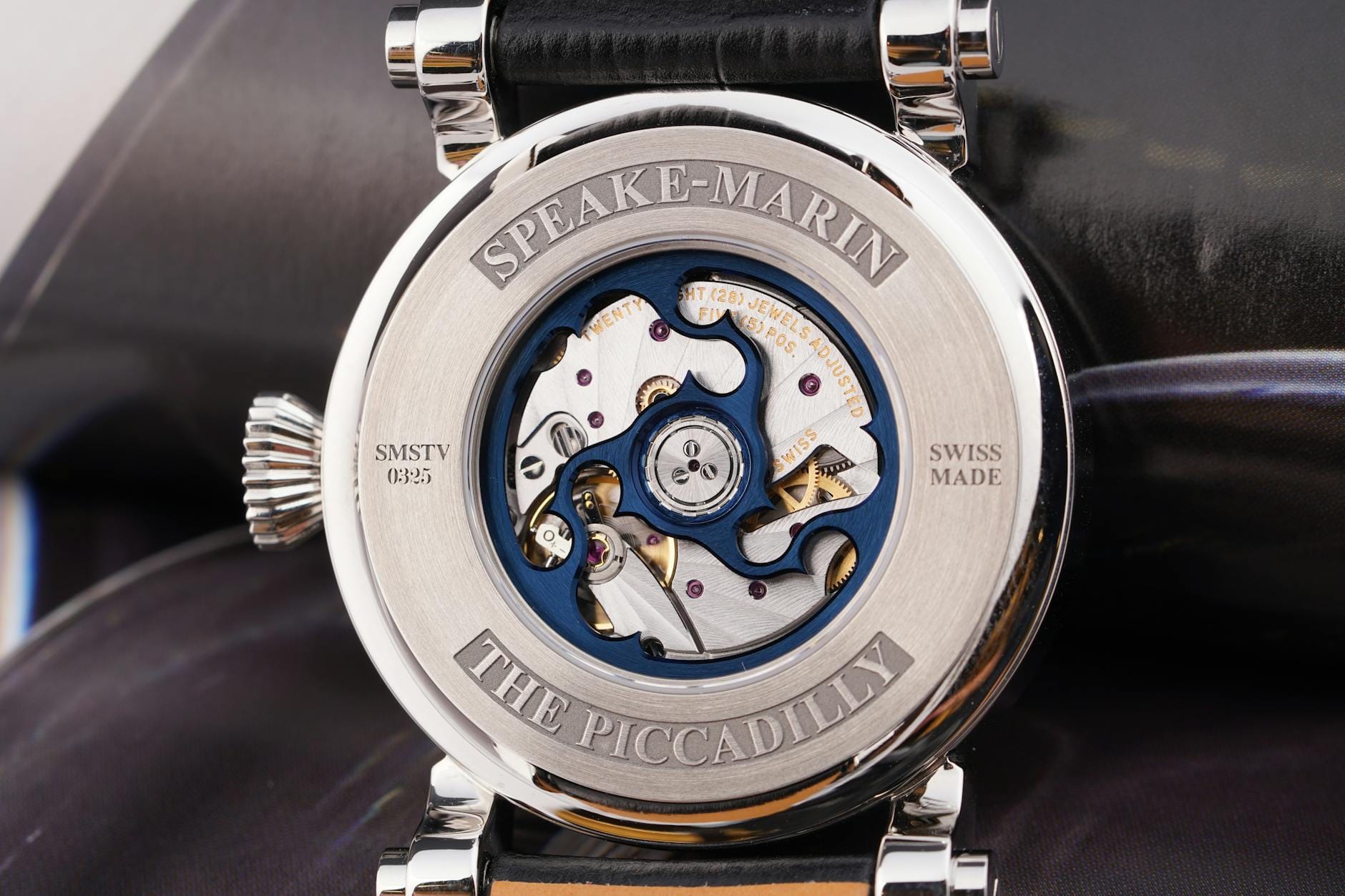
- Rare Watches: The WatchCharts Overall Market Index, which tracks resale prices across major references, peaked in early 2022 and has since corrected approximately 20–25% from highs. However, specific references — Rolex Daytona in stainless steel, Patek Philippe Nautilus Ref. 5711 — continue to trade at two to three times retail on the secondary market, with long-term holders still showing significant gains.
- Contemporary Art: The Artprice100 index, which tracks the hundred most-traded contemporary artists at auction, returned 26% in 2021 and remained broadly flat in 2022 and 2023. Christie's and Sotheby's both reported record millennial buyer participation in 2022, with buyers under 40 accounting for 35% of new collector registrations at Christie's.
- Rare Collectibles (trading cards, coins, memorabilia): The PWCC 500 index for graded sports cards rose over 150% between 2019 and 2021 before correcting sharply. This category carries the highest volatility and the least institutional infrastructure, making it more speculative than the categories above.
The consistent thread across the strongest-performing categories is scarcity: finite supply meeting growing global demand from an expanding high-net-worth population. Whisky casks from closed distilleries, First Growth Bordeaux from exceptional vintages, and limited-production watch references all share this characteristic. Scarcity is the moat that protects returns over long holding periods.
Portfolio Allocation: How Much Is Appropriate?
Institutional allocators at endowments and family offices have long used a 10–20% allocation to alternatives as a portfolio stabiliser. For individual high-net-worth investors, the appropriate allocation depends on liquidity needs, tax position, and existing asset mix. A millennial investor with a 20-year horizon, stable income, and meaningful equity exposure might reasonably allocate 15–20% to alternatives, split across two or three categories to avoid concentration within the alternative sleeve itself. The key discipline is treating alternatives as a distinct asset class with its own due diligence framework — not as a hobby with financial upside.
Storage, insurance, provenance verification, and exit strategy planning are all material to net returns. A whisky cask that appreciates 200% over fifteen years delivers a very different IRR depending on whether the investor exits via private sale, auction, or bottling. Fine wine stored in a bonded warehouse in London or Singapore incurs annual costs that must be modelled against expected appreciation. Investors who treat alternatives with the same rigour they apply to equity research consistently outperform those who buy on enthusiasm alone.
What to Watch: Forward-Looking Signals for Alternative Asset Investors
Several catalysts are worth monitoring over the next 12–24 months. The ongoing maturation of whisky cask investment platforms in Asia — particularly Singapore, where Whisky Cask Club and similar specialists are building institutional-grade infrastructure — is opening the category to a new pool of regional capital. Singapore's status as a duty-free bonded storage hub gives it a structural advantage as a cask investment domicile. Meanwhile, the Liv-ex fine wine market is watching the 2023 Bordeaux en primeur campaign closely after a disappointing 2022 release that saw château prices hold firm despite softening secondary market demand.
In the watch market, the 2024 Geneva auction season at Christie's and Phillips will be a key indicator of whether the correction has found a floor. For art, the Basel Art Fair in June 2024 will signal whether millennial collector demand is translating into sustained secondary market support or whether the 2021–2022 surge was a liquidity-driven anomaly. Investors tracking these signals will be better positioned to time entries and exits across the alternative asset spectrum.
Frequently Asked Questions
Why are millennials more likely to invest in alternative assets than older generations?
Millennials came of age during the 2008 financial crisis and the 2020 pandemic crash, both of which demonstrated the correlation risk of traditional asset portfolios. Combined with longer investment horizons, growing wealth from the intergenerational transfer, and easier platform access, millennials are structurally better positioned to tolerate the illiquidity premium that alternatives demand — and to benefit from it over multi-decade holding periods.
What returns have alternative assets like whisky casks and fine wine delivered historically?
Rare Whisky 101 data shows the Apex 1000 index delivered approximately 18% CAGR over the decade to 2022. The Liv-ex Fine Wine 1000 returned around 8.6% over five years to end-2023. These figures are pre-cost and pre-tax, so investors must model storage, insurance, and disposal costs to arrive at net IRR. Even after costs, both categories have historically outperformed cash and bonds over equivalent periods.
How much of a portfolio should be allocated to alternative assets?
Institutional allocators typically target 10–20% in alternatives. For individual investors, the right figure depends on liquidity needs, time horizon, and existing portfolio composition. A high-net-worth investor with a 20-year horizon and limited near-term liquidity requirements could reasonably allocate 15–20%, diversified across two or three alternative categories to manage concentration risk within the sleeve.
Are alternative assets liquid enough for private investors?
Liquidity varies significantly by category. Fine wine and rare whisky bottles can be sold at auction within weeks through platforms like Whisky Auctioneer or Bonhams. Whisky casks are less liquid but can typically be sold within three to six months through specialist brokers. Art and watches are more variable. Investors should treat alternatives as a long-term, illiquid allocation and ensure they have sufficient liquid assets elsewhere before committing capital.
Source: Whisky Bulletin coverage of cask investment on Whisky Bulletin.
💼 Interested in alternative asset investment? Speak to the team at Whisky Cask Club — Singapore's leading whisky cask investment specialists.
💼 Interested in alternative asset investment? Speak to the team at Whisky Cask Club — Singapore's leading whisky cask investment specialists.