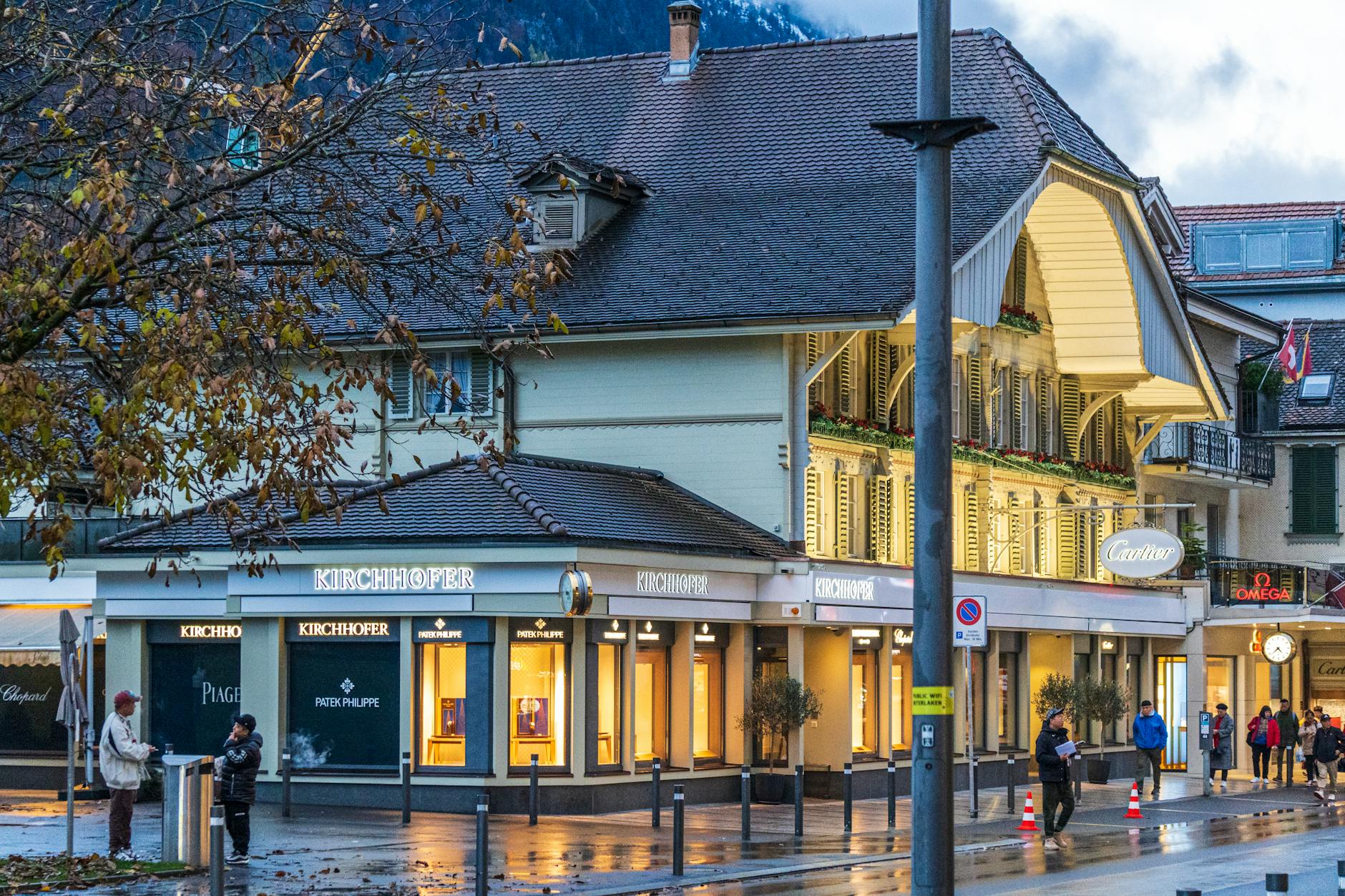
Arizona Muse's climate activism reflects a broader HNW shift toward provenance-driven, scarce assets. Whisky casks, fine wine, and rare watches are benefiting — with cask returns averaging 8–15% annually and the global alternatives market heading toward $23 trillion by 2027.
Alternative Assets and the Ethics of Scarcity: What Arizona Muse's Activism Signals for Conscious Investors
Alternative asset markets are increasingly shaped not just by supply and demand, but by the values of the ultra-high-net-worth individuals who allocate capital within them. Arizona Muse — the American model turned climate activist who has graced the covers of Vogue and fronted campaigns for Chanel, Prada, and Burberry — has spent the last several years redirecting her platform toward environmental accountability and what she calls a fundamental rethinking of luxury. For investors tracking the intersection of ethics, scarcity, and long-term value, her perspective offers a surprisingly useful lens through which to evaluate where premium assets are heading. The global alternative assets market was valued at approximately $13 trillion in 2023 and is projected to reach $23 trillion by 2027, according to Preqin — and within that universe, tangible assets with provenance, sustainability credentials, and finite supply are outperforming the broader category.
Muse has spoken publicly about transformative travel experiences — particularly time spent in African wilderness — that reshaped her understanding of resource scarcity, ecosystem value, and the long-term cost of extractive consumption. These are not abstract philosophical positions. They map directly onto investor behaviour. Demand for assets perceived as ethically sourced, environmentally lower-impact, and genuinely scarce has accelerated meaningfully over the past five years. Whisky casks, fine wine, and rare watches are benefiting from exactly this dynamic: finite production, long maturation cycles, and growing appetite from buyers who want their capital to reflect considered values.
Why Scarcity and Provenance Are Driving Premium Returns
The investment case for tangible alternative assets rests on a simple but powerful foundation: you cannot manufacture more of something that took decades to produce. A 30-year-old single malt Scotch whisky cask cannot be replicated on demand. A first-growth Bordeaux from a legendary vintage cannot be re-harvested. A vintage Patek Philippe reference 2499 — which hammered at CHF 2.78 million at Phillips Geneva in 2022 — exists in a fixed quantity that only decreases as pieces enter museum collections or private vaults. This structural supply constraint is what separates genuine alternative assets from speculative instruments. Muse's broader argument — that true luxury must be finite, traceable, and accountable — is essentially the investment thesis for provenance-driven assets dressed in activist language.
The numbers support the thesis across asset classes. The Rare Whisky 101 Apex 1000 Index, which tracks the secondary market for rare Scotch whisky bottles, appreciated by over 130% between 2015 and 2022. New-fill whisky casks from distilleries such as Springbank, GlenDronach, and Glenfarclas have seen annualised returns in the range of 8–15% over ten-year holding periods, depending on distillery, vintage, and cask type. Fine wine, tracked by the Liv-ex Fine Wine 1000 index, posted a 27% gain in 2021 alone before moderating — and still delivered a five-year return of approximately 38% through to the end of 2023. The watch market, meanwhile, saw the Rolex Daytona in stainless steel trade at consistent premiums of 80–120% above retail on secondary platforms including Chrono24 and WatchBox throughout 2021 and 2022.
What the Conscious Capital Shift Means for Allocation
Arizona Muse's pivot from runway to activism is representative of a broader generational and cultural shift among high-net-worth individuals. The 2023 UBS Global Wealth Report found that 39% of wealthy investors under 45 actively consider environmental and social factors when making alternative asset allocations — up from 22% in 2019. This is not a marginal trend. It is reshaping which distilleries attract institutional interest, which wine estates command premiums, and which watch manufacturers retain collector loyalty. Distilleries with transparent sourcing, water stewardship programmes, and independently verified sustainability credentials — including Bruichladdich on Islay and Nc'nean in the Scottish Highlands — are increasingly referenced by brokers as preferred investment targets precisely because their ethical positioning reinforces long-term brand equity and scarcity value.
Safari tourism ethics, one of Muse's specific areas of advocacy, also connects to a broader conversation about experience-based luxury versus asset-based luxury. The investor takeaway is clear: experiences depreciate; assets with genuine provenance appreciate. A whisky cask purchased today from a well-regarded Scottish distillery and held for 10 to 15 years benefits from natural evaporation (the so-called angel's share, typically 1.5–2% per year in Scotland), increasing age statement value, and the compounding scarcity that comes as older expressions become rarer. The asset does not require maintenance, generates no carrying costs beyond storage and insurance, and is not correlated to equity market cycles.
Investment Takeaway
For portfolio-minded investors, the signal embedded in cultural figures like Arizona Muse is not about celebrity endorsement — it is about reading where high-net-worth consumer values are migrating and positioning capital accordingly. Assets that combine genuine scarcity, traceable provenance, and alignment with sustainability narratives are not just morally convenient; they are structurally better positioned for premium secondary market demand over the next decade. Whisky casks remain one of the most accessible entry points into this category, with new-fill casks available from approximately £2,000 to £10,000 depending on distillery and size, and a well-documented track record of appreciation over 10–20 year holding periods. Investors who waited on the sidelines during the 2015–2022 whisky bull run are now looking at the next wave of demand — driven by Asian markets, ethical capital, and the irreversible mathematics of finite supply meeting growing global appetite.
- Rare whisky cask appreciation (10-year average): 8–15% annualised
- Rare Whisky 101 Apex 1000 Index (2015–2022): +130%
- Liv-ex Fine Wine 1000 (5-year return to end 2023): +38%
- Global alternative assets market projection (2027): $23 trillion (Preqin)
- HNW investors under 45 factoring ESG into alternatives (2023): 39% (UBS)
💼 Interested in alternative asset investment? Speak to the team at Whisky Cask Club — Singapore's leading whisky cask investment specialists.
Frequently Asked Questions
What makes whisky casks a viable alternative investment?
Whisky casks benefit from structural scarcity — production is limited by distillery capacity and regulatory aging requirements — combined with natural appreciation as the spirit matures. New-fill casks typically enter the market at £2,000–£10,000 and gain value through age, evaporation-driven concentration, and increasing demand for older expressions. They are uncorrelated to equity markets and have delivered annualised returns of 8–15% over ten-year holding periods at well-regarded distilleries.
How does sustainability affect alternative asset values?
Sustainability credentials are increasingly a value driver rather than a marketing footnote. Distilleries and wine estates with transparent sourcing, environmental stewardship, and third-party certifications command higher secondary market premiums because they align with the values of the growing segment of HNW investors who factor ESG considerations into allocation decisions. According to UBS, 39% of wealthy investors under 45 now actively consider these factors — up sharply from 22% in 2019.
What is the minimum investment to enter the whisky cask market?
Entry-level new-fill casks from reputable Scottish distilleries are available from approximately £2,000 to £5,000, making whisky casks one of the more accessible tangible alternative assets. Premium casks from sought-after distilleries such as Springbank or independent bottlers with strong secondary market track records can command significantly higher prices. Most investors hold casks for a minimum of 10 years to realise meaningful appreciation.
How does whisky cask investment compare to fine wine?
Both asset classes offer supply-constrained, provenance-driven appreciation, but they differ in liquidity and carrying costs. Fine wine requires temperature-controlled storage with higher insurance costs and is subject to vintage variation risk. Whisky casks benefit from the angel's share mechanism — natural evaporation of 1.5–2% annually in Scotland — which concentrates the spirit and increases per-litre value over time. The Liv-ex Fine Wine 1000 returned approximately 38% over five years to end-2023, while top whisky cask indices have outperformed over longer holding periods.
Are rare watches still a strong investment in 2024?
The watch market has cooled from its 2021–2022 peak, when Rolex Daytonas in stainless steel traded at 80–120% premiums above retail. However, truly scarce references — particularly vintage Patek Philippe, A. Lange and Söhne, and early Rolex sports models — continue to hold value at auction. The Phillips Geneva sale in 2022 saw a Patek Philippe reference 2499 hammer at CHF 2.78 million, underscoring that the top tier of the market remains robust. Investors should focus on provenance, condition, and documented service history.
💼 Interested in alternative asset investment? Speak to the team at Whisky Cask Club — Singapore's leading whisky cask investment specialists.