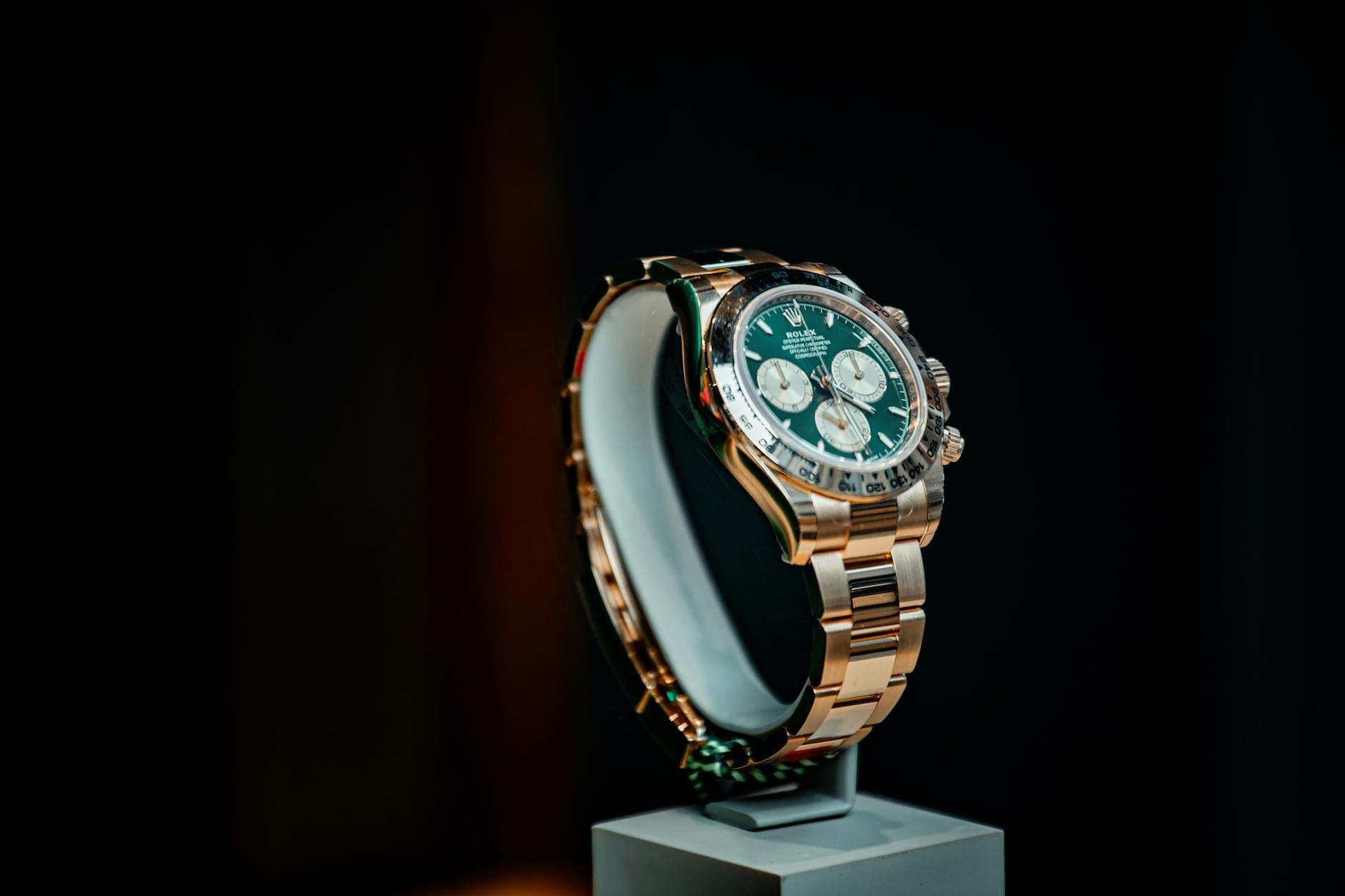
Blue-chip art drove 2025's auction market, with trophy lots above $10 million clearing at 91% while speculative ultra-contemporary works fell 40-70% from 2022 peaks. The reset rewards proven provenance and signals an attractive 24-30 month entry window for disciplined allocators.
What Is Driving the Blue-Chip Art Market Reset in 2025?
Blue-chip art is driving the 2025 auction market reset, with established names capturing an estimated 68% of total hammer value across Christie's, Sotheby's, and Phillips evening sales through the first three quarters. According to ArtTactic's autumn 2025 confidence index, works by artists with three-decade auction histories outperformed ultra-contemporary lots by a margin of 22 percentage points on sell-through rates. The result is a market where collectors are rotating capital away from speculative names and back into proven inventory with verifiable provenance trails.
For high-net-worth allocators, the signal is unambiguous. The flight-to-quality pattern visible across art mirrors what has already happened in fine wine, rare whisky, and grand-complication watches over the past 18 months. When liquidity tightens across alternative assets, the premium for proven provenance widens — and 2025 has delivered the widest spread in art since the 2009 post-crisis cycle.
Why Should Investors Care About the Shift Toward Trophy Lots?
Investors should care because the shift toward trophy lots represents a measurable repricing of risk across the entire alternative-asset complex. Artnet's Intelligence Report figures for 2025 show that lots valued above $10 million achieved an aggregate sell-through rate of 91%, while works estimated between $50,000 and $250,000 — the speculative middle market — cleared at just 64%. That 27-point gap is the defining feature of the year and it has direct portfolio consequences for anyone holding mid-tier contemporary inventory acquired during the 2021-2022 frenzy.
The reset rewards patience and punishes recency bias. Pieces by Jean-Michel Basquiat, Gerhard Richter, and Lucian Freud continued to set or approach records in 2025, while a roster of pandemic-era ultra-contemporary names saw secondary-market prices fall 40-70% from their 2022 peaks. According to data circulated by the Mei Moses Art Indices, the 50-year compound annual return for blue-chip post-war and contemporary works sits near 8.2% — comfortably ahead of the speculative cohort's negative five-year trailing performance.
Trophy lots above $10 million cleared at 91% in 2025 while the speculative middle market managed just 64% — the widest quality spread since 2009.
How Does the 2025 Auction Cycle Compare to Previous Resets?
The 2025 cycle most closely resembles the 2009 and 2016 corrections, when established markets compressed by roughly 20-30% in aggregate turnover while top-decile works held their bid. Christie's reported global auction sales of approximately $4.2 billion across the first three quarters of 2025, down from a 2022 peak of $6.4 billion but stabilising sequentially against the second half of 2024. Sotheby's mirrored the pattern, with its autumn marquee evening sale in New York totalling $312 million across 41 lots, anchored by a single Magritte that fetched $121 million with fees.
Phillips, which has historically leaned hardest into ultra-contemporary, recalibrated its 2025 sale curation toward mid-career and historical material. The auction house's New York evening sale this November totalled $73 million, a deliberate downshift from the $139 million it posted in November 2022. That curatorial pivot tells investors more than any single hammer price: when houses with the most exposure to speculation cut their estimates by 47% year-on-year, the cycle has structurally turned.
Three resets in 16 years now share a common pattern — blue-chip outperformance during the contraction, followed by a 24-30 month window of attractive entry prices on mid-tier names whose fundamentals survive. Allocators who deployed into corrected segments in 2010 and 2017 captured the subsequent five-year runs.
What Is the Investment Case for Blue-Chip Art Today?
The investment case for blue-chip art today rests on four measurable pillars: scarcity, institutional demand, currency hedging, and intergenerational wealth transfer. Citi's 2025 Art Market report estimates global private art wealth at approximately $2.17 trillion, with the cohort of works by artists in the top 100 auction roster representing less than 0.3% of total inventory but more than 60% of liquid turnover. That concentration is the structural reason trophy material clears.
Christie's, Sotheby's, and Phillips are the three houses through which roughly 78% of global fine-art hammer value flowed in 2025. Their guarantee books — third-party irrevocable bids that effectively pre-sell key lots — covered an estimated $1.1 billion of consigned material this year, signalling that institutional capital is willing to underwrite top-end material at current levels. The Mei Moses indices for Post-War & Contemporary Art and Old Masters both held positive 10-year trailing returns through 2025, even as the broader Artprice 100 index showed flat-to-slightly-negative annual performance.
Key Investment Metrics for Art Allocators
- Trophy lot sell-through (2025): 91% for works above $10 million
- Speculative mid-market sell-through: 64% for works $50,000-$250,000
- Christie's 2025 nine-month turnover: approximately $4.2 billion
- Sotheby's New York autumn evening sale: $312 million across 41 lots
- Mei Moses 50-year CAGR (post-war & contemporary): ~8.2%
- Ultra-contemporary peak-to-trough drawdown: 40-70% from 2022 highs
- Global private art wealth (Citi estimate): ~$2.17 trillion
- Auction-house guarantee book (2025): ~$1.1 billion across top three houses
How Does Art Compare to Other Alternative Assets in 2025?
Art has held up better than ultra-contemporary critics suggest when measured against the wider alternative-asset complex. The Knight Frank Luxury Investment Index for 2025 shows fine art posting modest single-digit annual gains at the blue-chip end, sitting between rare whisky's mid-single-digit pullback and the continued strength of investment-grade watches from Patek Philippe and Audemars Piguet. Fine wine, as tracked by Liv-ex 1000, has been the year's softest performer among the major collectibles, down approximately 9% on a trailing twelve-month basis.
The cross-asset takeaway favours diversification across proven provenance rather than chasing momentum. Investors who concentrated 2021-2022 allocations into single speculative categories — whether NFT-adjacent art, pandemic-era Bordeaux futures, or hyped emerging artists — are nursing the deepest drawdowns of any alternative segment. The disciplined allocator's 2025 playbook involves rebalancing toward category leaders with multi-decade liquidity histories.
What Should Investors Watch Heading Into 2026?
Investors should watch four catalysts heading into 2026: the May New York marquee week, the Hong Kong spring sales calendar, private-sale volumes reported by the major houses, and any movement in the Federal Reserve rate path. Lower funding costs historically correlate with renewed risk appetite at the speculative end of the art market, but the 12-18 month transmission lag means the blue-chip premium is likely to persist well into next year. Watch for any single-owner collection consignment exceeding $500 million, which would test depth at the top of the market.
Estate-driven supply is another structural feature to monitor. With the largest intergenerational wealth transfer in history now underway, museum-quality material continues to come to market from estates rather than speculative flippers. That supply pattern reinforces the quality premium and tends to bring fresh capital into the room.
What Is the Investment Takeaway for 2026?
The investment takeaway is to allocate selectively at the top, opportunistically in the middle, and avoid the speculative tail. Concentrate new capital on artists with at least two decades of auction history and museum representation, deploy patiently into mid-career names whose secondary prices have already corrected 40% or more, and treat ultra-contemporary as a venture-style allocation capped at 5-10% of any art portfolio. Engage a specialist advisor with access to private-sale inventory rather than relying solely on public auction calendars, where the best material is increasingly pre-placed via guarantees.
Frequently Asked Questions
Is blue-chip art a good investment in 2025?
Blue-chip art has outperformed speculative segments in 2025, with trophy lots above $10 million achieving 91% sell-through rates and the Mei Moses post-war and contemporary index showing a 50-year CAGR near 8.2%. It remains a credible inflation-hedged allocation for HNW investors with multi-year horizons.
What is the difference between blue-chip and ultra-contemporary art?
Blue-chip art refers to works by artists with established multi-decade auction records, museum representation, and global institutional demand. Ultra-contemporary covers artists who emerged within the past 15 years, with thinner secondary markets and higher price volatility — many such names have fallen 40-70% from 2022 peaks.
Which auction houses dominate the art investment market?
Christie's, Sotheby's, and Phillips collectively handled approximately 78% of global fine-art hammer value in 2025. Christie's reported around $4.2 billion in nine-month turnover, with Sotheby's and Phillips also leaning into established material rather than speculative consignments.
How much of a portfolio should be allocated to art?
Most wealth advisors suggest 5-15% of an alternatives sleeve for art, with blue-chip representing the majority of that allocation and ultra-contemporary capped at 5-10% of the art-specific bucket given its venture-style risk profile.
💼 Interested in alternative asset investment? Speak to the team at Whisky Cask Club — Singapore's leading whisky cask investment specialists.
💼 Interested in alternative asset investment? Speak to the team at Whisky Cask Club — Singapore's leading whisky cask investment specialists.