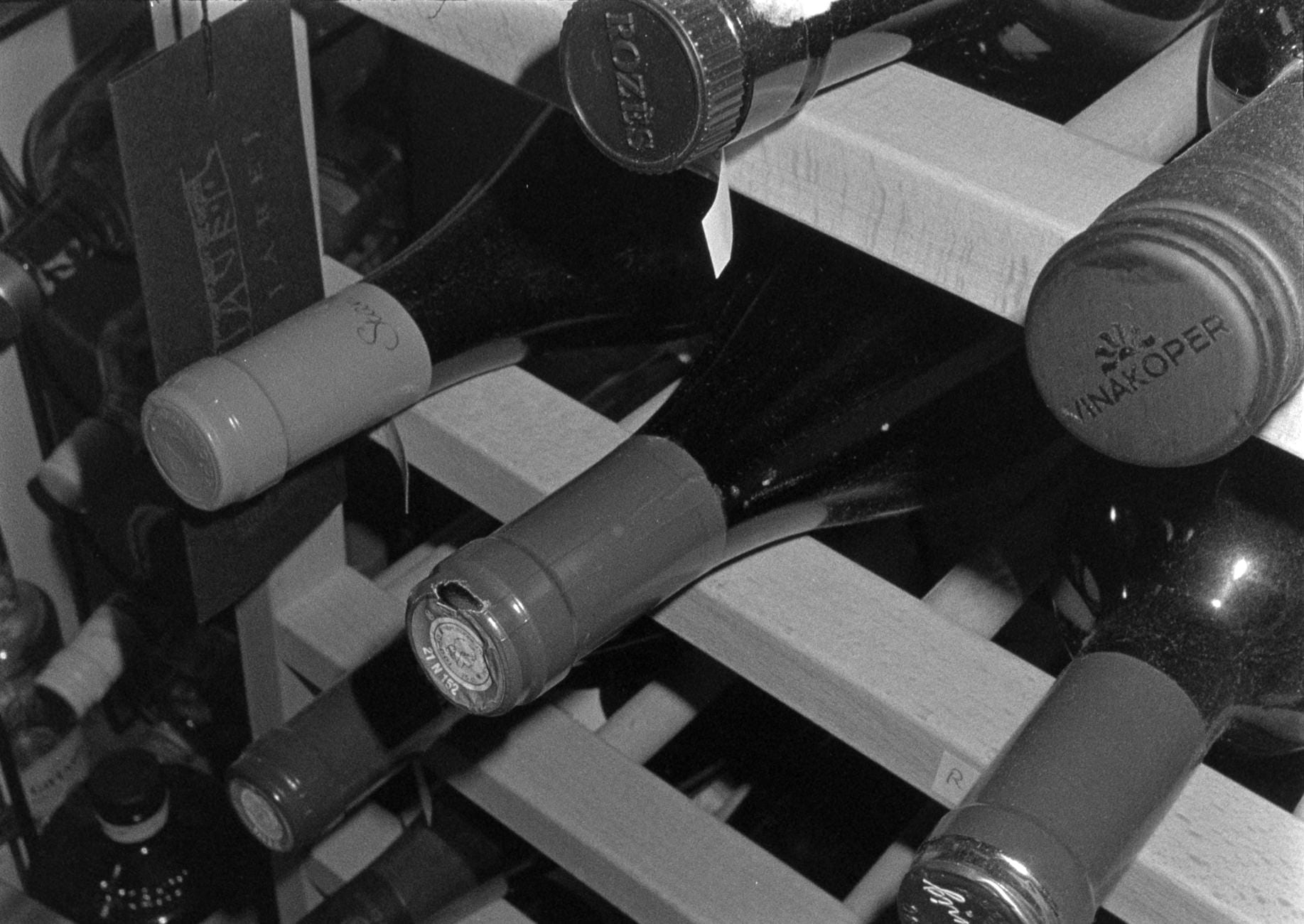
Bordeaux fine wine is posting 8–14% year-on-year auction gains, with the acclaimed 2022 vintage offering compelling entry points. Supply constraints, rising Asian demand, and strong critical scores make first growths a credible alternative asset allocation right now.
Bordeaux Fine Wine Investment: What the Auction Data Is Telling Us
Bordeaux fine wine investment is flashing green on the secondary market, and the numbers are hard to ignore. As the 2025 en primeur campaign moves into full swing, auction data from iDealwine — one of Europe's leading fine wine auction platforms — reveals that top Bordeaux cuvées have held their value with remarkable resilience, with select first growths and right-bank icons posting year-on-year price appreciation of between 8% and 14% at hammer. For investors tracking alternative assets, this is not a lifestyle signal. It is a portfolio signal.
The timing matters. En primeur is the mechanism by which Bordeaux releases futures — wine sold before it is bottled, typically at a discount to anticipated market price. Savvy investors who entered the 2022 vintage en primeur, widely regarded as one of the finest of the century, have already seen paper gains of 20–30% on certain labels as those wines approach release. The secondary market is now pricing in scarcity, and auction volumes for mature vintages are rising in parallel, with iDealwine reporting double-digit growth in transaction value for Bordeaux lots in Q1 2026.
Why Bordeaux Retains Its Investment-Grade Status
Bordeaux's investment case rests on a combination of factors that few asset classes can replicate. First, supply is structurally constrained. Château Pétrus, for example, produces fewer than 3,000 cases per year across its roughly 11.4 hectares. Château Le Pin produces closer to 500 cases annually. These are not products that can be scaled to meet demand — the appellation rules, the terroir, and the physical limits of the estate define the ceiling permanently. As global demand for prestige Bordeaux grows, particularly from buyers in Asia and the United States, the supply-demand imbalance only deepens.
Second, the vintage quality narrative is currently compelling. The 2022 vintage has attracted near-universal critical acclaim, with scores from major critics including 98–100 points across multiple first growths. High-scoring vintages have a documented track record of outperforming on the secondary market over five-to-ten-year horizons. The 2009 and 2010 vintages, both rated exceptional at release, delivered average appreciation of 40–60% over their first decade in bottle, according to Liv-ex tracking data. Investors who treat wine as a long-duration asset class — rather than a short-term trade — have consistently been rewarded.
- 5-year appreciation (top Bordeaux labels): +35–55% for first growths across strong vintages
- Annual production (Château Pétrus): approximately 2,500–3,000 cases
- Q1 2026 auction growth: Double-digit increase in Bordeaux transaction value on iDealwine
- 2022 vintage critical scores: 98–100 points across multiple classified growths
- 2009/2010 vintage appreciation: +40–60% over ten years (Liv-ex data)
How Should Investors Position Themselves?
The practical question for any investor is where to enter. En primeur offers the earliest — and theoretically cheapest — access to a vintage, but it requires patience and storage discipline. Investors who lack cellar infrastructure or who want exposure without the logistical complexity are increasingly turning to specialist platforms and managed wine investment funds. Alternatively, the secondary market offers immediate access to mature vintages with established price histories, which reduces valuation uncertainty considerably.
The right-bank appellations — Pomerol and Saint-Émilion — deserve particular attention right now. Pomerol in particular has seen sustained demand from Asian buyers, with Pétrus and Le Pin consistently achieving record hammer prices at major auction houses including Christie's, Sotheby's, and Hart Davis Hart. Saint-Émilion's reclassification saga has created short-term price volatility in some labels, which experienced investors may view as a buying opportunity rather than a deterrent. Volatility in a fundamentally scarce asset is not the same as risk — it is often the entry point.
Investment Takeaway
Bordeaux fine wine is not a passive store of value — it is an active market with identifiable cycles, data-driven entry points, and a track record of delivering uncorrelated returns relative to equities and bonds. The current en primeur season, combined with strengthening secondary market data from iDealwine, suggests that investors who have been sitting on the sidelines are facing a narrowing window. The 2022 vintage will not be available at today's prices indefinitely. First growths from great vintages have a historical tendency to reprice sharply upward once critical consensus solidifies and physical scarcity becomes apparent at the retail level. Position accordingly — with a five-to-ten-year horizon, appropriate storage, and a clear exit strategy via the established auction market.
Frequently Asked Questions
What is Bordeaux en primeur and why does it matter to investors?
En primeur is the system by which Bordeaux châteaux sell wine as futures, before it is bottled and released. Investors purchase at an early price — typically a discount to anticipated market value — and take delivery two to three years later. The investment case rests on buying quality vintages before critical consensus drives prices higher on the secondary market.
How liquid is fine wine as an investment?
Fine wine is more liquid than many alternative assets, particularly at the top end of the market. Established auction houses including Christie's, Sotheby's, and iDealwine run regular sales with active bidder pools. Liv-ex provides a continuous secondary market for trade buyers. Liquidity is strongest for recognised labels from acclaimed vintages — obscure producers or weak vintages carry higher liquidity risk.
What returns has Bordeaux fine wine delivered historically?
According to Liv-ex data, top Bordeaux labels from exceptional vintages such as 2009 and 2010 delivered appreciation of 40–60% over ten years. More recent data shows first growths from strong vintages appreciating 8–14% year-on-year at auction. Returns are not guaranteed and depend heavily on vintage quality, storage conditions, and market timing.
What are the main risks of investing in Bordeaux wine?
Key risks include storage and provenance — wine must be kept in controlled conditions to retain value, and provenance documentation is critical at resale. Market sentiment can shift, particularly if a vintage receives revised critical scores. Currency risk is relevant for non-euro investors, and transaction costs at auction — typically 15–25% buyer's premium — must be factored into return calculations.
How does Bordeaux wine compare to whisky casks as an alternative investment?
Both assets share structural scarcity and a track record of long-run appreciation. Bordeaux wine offers a more established auction infrastructure and deeper price history data. Whisky casks, by contrast, offer the potential for higher percentage gains on individual casks, particularly from distilleries with growing global profiles, and do not require the same level of vintage-specific expertise to access credible opportunities.
💼 Interested in alternative asset investment? Speak to the team at Whisky Cask Club — Singapore's leading whisky cask investment specialists.
💼 Interested in alternative asset investment? Speak to the team at Whisky Cask Club — Singapore's leading whisky cask investment specialists.