Showplace New York's May auction features Kusama and Calder — artists with 12–18% CAGR track records. Hammer prices will serve as leading indicators for fine art investment demand in H2 2025.
TL;DR: Showplace New York's May art and design auction features blue-chip names including Yayoi Kusama and Alexander Calder — artists whose secondary market performance has consistently outpaced traditional asset classes. For investors tracking fine art as an alternative allocation, this sale offers a clear read on current demand and price discovery at the institutional level.
Blue-Chip Art Auction Signals Strong Demand for Investment-Grade Names
Showplace New York's upcoming Important Fine Art and Design auction is drawing attention well beyond the collector community. The sale features works by Yayoi Kusama and Alexander Calder — two artists whose auction track records make them among the most closely watched names in the alternative asset space. Kusama's works have appreciated dramatically over the past decade, with her dot paintings and pumpkin sculptures routinely achieving seven-figure results at major houses. A 2022 Christie's sale saw a Kusama infinity net painting hammer at over $7.1 million, while her broader secondary market index has posted compound annual growth rates estimated between 12% and 18% over the past ten years.
Alexander Calder, the American sculptor best known for his mobiles and stabiles, represents a different but equally compelling investment profile. Calder's estate is tightly managed, with authenticated works in finite supply — a classic scarcity dynamic that underpins long-term price appreciation. His works have appeared at Sotheby's and Christie's with consistent results above estimate, and the Calder Foundation's rigorous authentication process limits the risk of fraudulent supply entering the market. For investors, that combination of brand recognition, institutional authentication, and supply constraint is precisely the kind of structural advantage that separates investable art from decorative purchases.
Why Fine Art Belongs in an Alternative Asset Portfolio
The global art market generated approximately $65 billion in sales in 2023, according to the Art Basel and UBS Global Art Market Report. Fine art has historically demonstrated low correlation with equities and fixed income, making it a genuine diversification tool rather than a speculative bet. During the 2008 financial crisis, while global equities fell by over 40%, the Mei Moses All Art Index declined by a comparatively modest 4.5% — a data point that continues to inform institutional allocation decisions. The post-pandemic surge in art market activity, driven by younger high-net-worth buyers and the expansion of online auction platforms, has further deepened liquidity in the secondary market for established names.
Showplace's auction is particularly interesting from a market intelligence standpoint. Regional and mid-tier auction houses often surface works that have been held privately for decades, providing price discovery that major houses cannot always replicate. When blue-chip names appear at venues like Showplace, the hammer prices serve as real-time benchmarks — confirming or challenging the valuations that collectors and advisors have been applying to similar works in private portfolios. For anyone with existing art holdings or considering an entry position, these results are worth tracking closely.
What the Numbers Tell Investors
- Kusama 10-year CAGR: Estimated 12%–18% on authenticated secondary market works
- Calder authentication: Tightly controlled by the Calder Foundation, limiting supply and supporting price floors
- Global art market size (2023): Approximately $65 billion in total sales
- Art vs. equities in 2008: Mei Moses All Art Index fell ~4.5% vs. global equities down 40%+
- Demand trend: Growing participation from Asian and Middle Eastern buyers expanding the global collector base
These figures underscore why sophisticated investors are treating fine art not as a luxury indulgence but as a legitimate portfolio component. The key risk factors — illiquidity, authentication, storage, and insurance costs — are real and should be modelled into any return analysis. However, for works by artists with the institutional recognition of Kusama and Calder, those risks are substantially mitigated by deep market infrastructure and sustained global demand.
Investment Takeaway
Investors watching Showplace's May sale should treat the results as a leading indicator for the broader fine art market in the second half of 2025. Strong hammer prices on Kusama and Calder works will signal continued appetite for investment-grade names at all price points — not just the trophy lots at Sotheby's and Christie's. Weak results, conversely, may suggest that the post-pandemic demand surge is moderating, which would affect valuations across the asset class. Either way, the data generated by this auction is actionable intelligence for anyone with an allocation to, or interest in, tangible alternative assets.
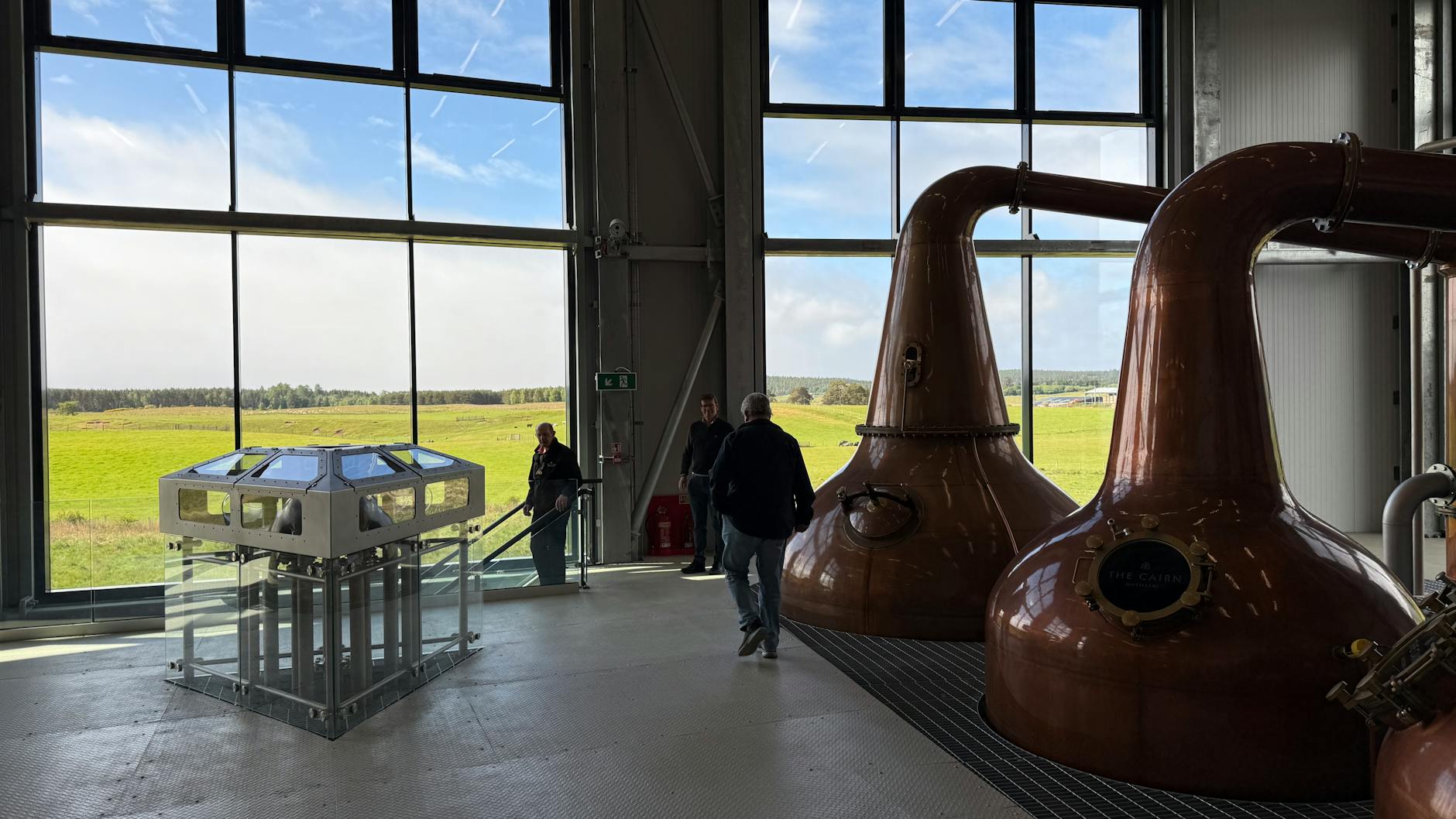
For investors who prefer the liquidity profile and lower entry points of other tangible alternatives, whisky casks offer a comparable combination of scarcity, provenance, and appreciation potential — without the authentication complexity that fine art demands. Cask Scotch whisky has posted average annual returns of 8%–16% depending on distillery and vintage, with a growing institutional market providing improving price transparency. The principle is identical to what makes Kusama and Calder compelling: finite supply, rising global demand, and an asset that cannot be replicated by monetary policy.
Frequently Asked Questions
How has Yayoi Kusama's work performed as an investment?
Kusama's secondary market has been one of the strongest in contemporary art over the past decade, with compound annual growth rates estimated between 12% and 18% on authenticated works. A 2022 Christie's sale achieved over $7.1 million for a single infinity net painting, and demand from Asian collectors — particularly in Japan and Singapore — continues to provide a structural demand floor beneath her market.
Why is Alexander Calder considered a low-risk art investment?
Calder's estate is managed by the Calder Foundation, which maintains strict authentication standards and a comprehensive catalogue raisonné. This limits the supply of authenticated works and reduces the risk of fraudulent pieces entering the market — two factors that are critical to maintaining price stability. His works have consistently performed at or above estimate at major auction houses, reflecting deep institutional demand.
What role does fine art play in a diversified investment portfolio?
Fine art has historically demonstrated low correlation with traditional asset classes including equities and bonds. During the 2008 financial crisis, the Mei Moses All Art Index fell approximately 4.5% while global equities dropped more than 40%. For high-net-worth investors seeking genuine diversification, investment-grade art by established artists offers both capital appreciation potential and a hedge against market volatility — provided storage, insurance, and liquidity constraints are properly accounted for.
What should investors watch for in the Showplace May auction results?
Hammer prices relative to pre-sale estimates are the key metric. Works selling significantly above the high estimate signal strong demand and upward price pressure in the broader market. Works selling below the low estimate — or being passed — indicate softening appetite. For blue-chip names like Kusama and Calder, any result above estimate at a mid-tier venue like Showplace is a bullish signal for the asset class as a whole in 2025.
How do whisky casks compare to fine art as an alternative investment?
Whisky casks offer a comparable scarcity-driven appreciation profile with lower entry costs and fewer authentication complexities than fine art. Scotch whisky casks from established distilleries have posted average annual returns of 8%–16%, with improving market infrastructure providing better price transparency than was available a decade ago. Unlike art, casks also benefit from the maturation process — the asset physically improves over time, adding an additional layer of return potential beyond simple supply-demand dynamics.
💼 Interested in alternative asset investment? Speak to the team at Whisky Cask Club — Singapore's leading whisky cask investment specialists.
💼 Interested in alternative asset investment? Speak to the team at Whisky Cask Club — Singapore's leading whisky cask investment specialists.