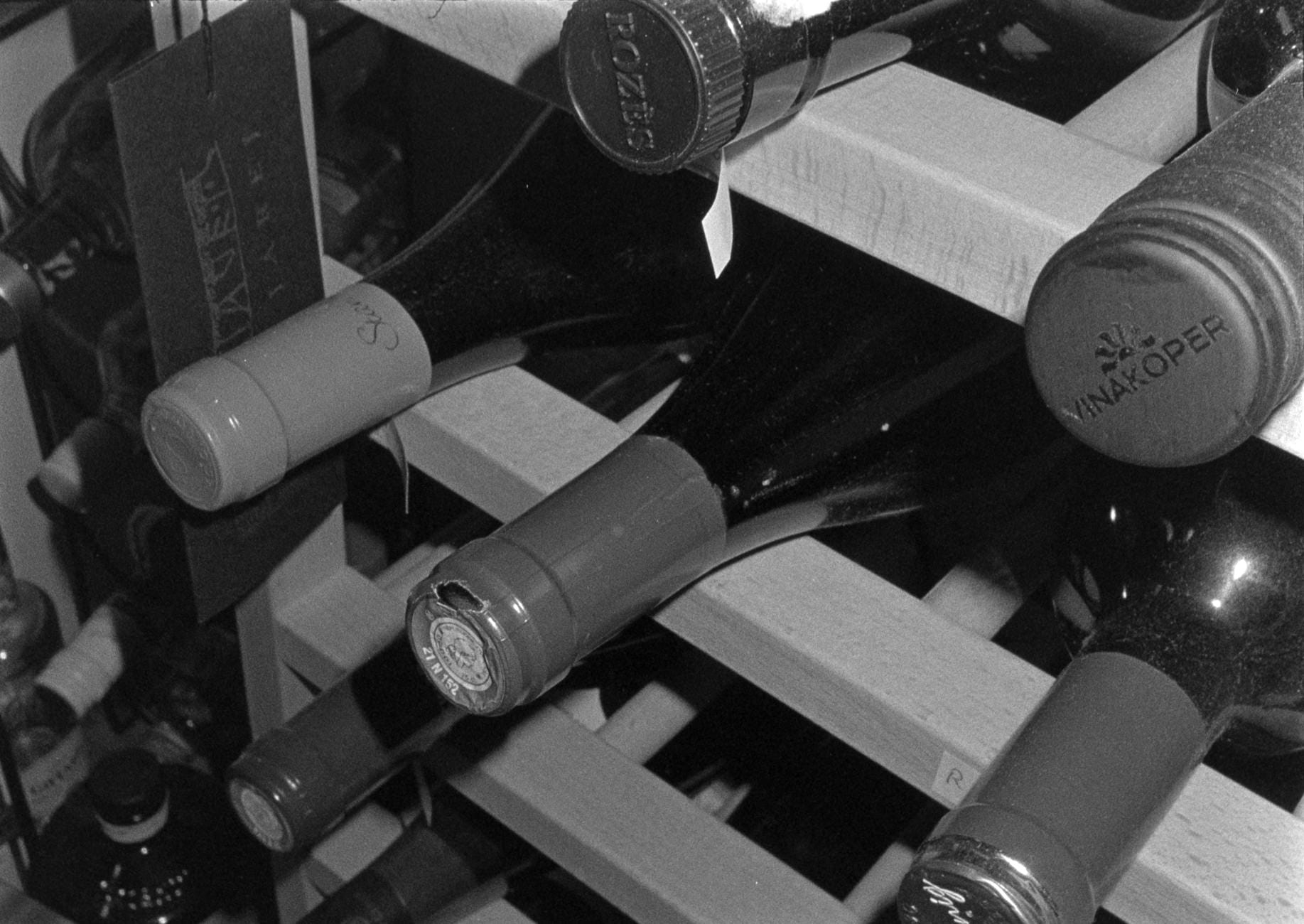
Bordeaux 2025 en primeur in Margaux is a precision vintage where quality variation narrows top-scoring supply. Investors should target disciplined release prices on classified growths with 97+ scores for five-to-seven-year holds, supported by strong secondary market data.
Bordeaux 2025 En Primeur: What the Margaux Vintage Means for Fine Wine Investors
Bordeaux 2025 en primeur is arriving at a critical inflection point for fine wine as an investment class. The Liv-ex Fine Wine 1000 index has tracked Bordeaux First Growths appreciating by an average of 28% over the past five years, and Margaux — the Médoc's largest and most geographically diverse appellation — consistently anchors the upper tier of that performance. Early assessments of the 2025 vintage from Margaux describe conditions where precision farming and micro-terroir management separated the exceptional from the merely good, a dynamic that historically compresses supply of truly top-scoring wines and drives secondary market premiums sharply upward.
For investors, the phrase circulating among négociants this campaign — "a vintage in which tiny details make big differences" — is not poetic licence. It is a supply signal. When vintage variation is granular and site-specific, the allocation pool of wines scoring 97 points or above narrows dramatically, and the bottles that achieve those scores command release prices that can look cheap within 36 months of the campaign closing.
Why Margaux 2025 Carries Distinct Scarcity Dynamics
Margaux's appellation covers roughly 1,500 hectares across five communes, producing approximately 7 million bottles annually across all classifications. However, the investable tier — the classified growths and a handful of exceptional crus bourgeois — represents a fraction of that volume. Château Margaux itself typically releases fewer than 150,000 bottles of its Grand Vin per vintage, and in years where selective harvesting is required to maintain quality, that figure can fall further. The 2025 growing season, marked by irregular rainfall patterns and heat events that demanded canopy management decisions at the parcel level, is shaping up to be precisely that kind of year.
Secondary market data reinforces why this matters. Château Margaux 2015 — another vintage where careful viticulture separated producers — traded at release for approximately €500 per bottle and has since achieved hammer prices above €900 at major auction houses including Christie's and Sotheby's, representing an 80% appreciation over eight years. Pavillon Rouge du Château Margaux, the estate's second wine, has shown comparable percentage gains from a lower entry price, making it an accessible vehicle for investors building positions without committing to First Growth release budgets.
- Château Margaux Grand Vin annual production: approximately 120,000–150,000 bottles
- 5-year Bordeaux First Growth appreciation (Liv-ex): +28% average
- Château Margaux 2015 auction appreciation: approximately +80% from release to 2023 hammer prices
- Market trend: Asian buyer demand — particularly from Hong Kong and Singapore — for classified Margaux has grown 18% year-on-year since 2022, according to Liv-ex trade flow data
How to Read the En Primeur Window as an Allocation Decision
En primeur pricing is one of the few moments in the fine wine market where an investor can acquire bottles at or below their projected secondary market value, provided the vintage delivers on early assessments and the release price is set conservatively. Châteaux in Margaux have shown a mixed track record on pricing discipline over recent campaigns, with some properties releasing 2022 and 2023 wines above secondary market comparables — a move that eroded short-term investor returns. The 2025 campaign will therefore require careful label-by-label analysis rather than blanket appellation exposure.
The properties most worth watching from an investment standpoint include not only the obvious First Growth but also the second and third classified growths — estates like Château Palmer, Château Rauzan-Ségla, and Château Brane-Cantenac — which have historically offered superior percentage returns from lower entry points. Palmer in particular has demonstrated exceptional secondary market resilience, with its 2009 and 2010 vintages trading at multiples of three to four times their original release prices in recent Sotheby's and Bonhams sales.
What Should Investors Do With This Information?
The actionable position for investors entering the 2025 Margaux en primeur campaign is selective and price-disciplined. Wait for professional tasting notes and point scores from established critics before committing — a wine scoring 95+ from a precision vintage like 2025 at a release price in line with 2022 comparables represents a credible entry point. Avoid chasing estates that have released above market value in recent campaigns without score justification. Diversify across two or three Margaux classified growths rather than concentrating in a single label, and hold for a minimum of five to seven years to capture the appreciation curve that secondary market data consistently shows for top-scoring Bordeaux.
Fine wine storage costs — typically £12–£15 per case per year in a bonded UK warehouse — should be factored into net return calculations. Even accounting for storage and insurance, the annualised return profile of top Margaux classified growths from strong vintages has historically outperformed many traditional fixed-income instruments over equivalent holding periods. For investors already holding whisky casks or other alternative assets, fine wine from a vintage like 2025 offers meaningful portfolio diversification with an established, liquid secondary market and a long track record of price appreciation.
Frequently Asked Questions
What makes Bordeaux 2025 en primeur interesting for investors?
The 2025 vintage in Margaux is characterised by significant quality variation at the parcel level, which compresses the supply of top-scoring wines and historically drives secondary market premiums. Investors who identify the best-performing labels at disciplined release prices can access strong appreciation potential over a five-to-seven-year holding period.
How does en primeur pricing work and when do investors see returns?
En primeur allows buyers to purchase wine before it is bottled, typically 18–24 months before physical delivery. Investors pay at release price and can sell on the secondary market once the wine is in bottle and trading — usually from the third or fourth year after the vintage. Returns depend on vintage quality, critic scores, and release price discipline from the château.
Which Margaux châteaux offer the best investment track record?
Château Margaux anchors the investment tier, but Château Palmer, Château Rauzan-Ségla, and Château Brane-Cantenac have historically delivered superior percentage returns from lower entry prices. Palmer's 2009 and 2010 vintages have traded at three to four times their original release prices at major auction houses.
What are the costs associated with fine wine investment?
Investors should account for bonded warehouse storage (typically £12–£15 per case per year in the UK), insurance, and transaction fees on sale (usually 10–15% at auction). These costs should be factored into net return calculations, though top Bordeaux classified growths from strong vintages have historically delivered returns well above these carrying costs over five-plus-year holding periods.
How does fine wine compare to whisky casks as an alternative asset?
Both asset classes offer scarcity-driven appreciation and low correlation to public equities. Fine wine has a more liquid and transparent secondary market with established auction infrastructure. Whisky casks offer higher potential returns from a lower entry point but require specialist knowledge and longer holding periods. Sophisticated investors often hold both as complementary positions within an alternative assets allocation.
💼 Interested in alternative asset investment? Speak to the team at Whisky Cask Club — Singapore's leading whisky cask investment specialists.
💼 Interested in alternative asset investment? Speak to the team at Whisky Cask Club — Singapore's leading whisky cask investment specialists.