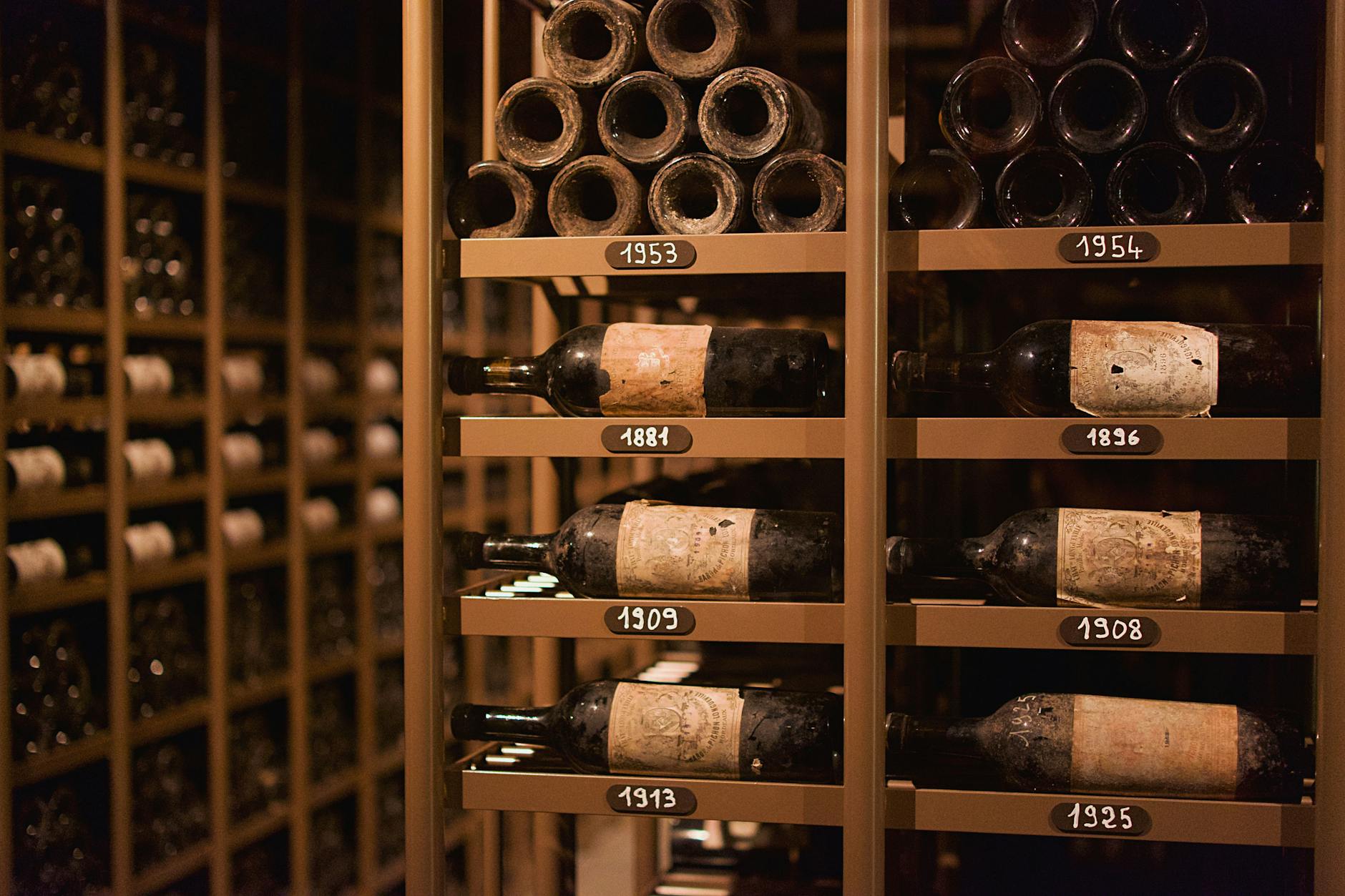
Saint-Estèphe 2025 en primeur offers HNW investors a compelling entry point into Bordeaux fine wine, with classified growths historically appreciating 45–65% from release to secondary market peak in top vintages. Buy early, hold long.
Saint-Estèphe 2025 En Primeur: The Investment Signal Investors Cannot Ignore
Saint-Estèphe 2025 en primeur is generating some of the most compelling buying signals the Bordeaux fine wine market has produced in half a decade. Following a vintage that critics are already placing alongside 2022 and 2019 in terms of structural quality and ageing potential, the appellation's top châteaux are releasing wines that sophisticated investors should be tracking closely. The Liv-ex Fine Wine 1000 index has demonstrated that first-growth and classified-growth Bordeaux delivered average annualised returns of approximately 8–12% over the past decade, and exceptional vintages from premium appellations like Saint-Estèphe have historically outperformed that benchmark during the critical three-to-five year post-release window.
The 2025 vintage in the Médoc benefited from a growing season that delivered concentrated, well-structured fruit without excessive alcohol — a combination that the market consistently rewards at auction. Saint-Estèphe, sitting at the northern tip of the Médoc, produced wines with the appellation's trademark tannic backbone softened by a season of well-timed rainfall and warm, dry ripening conditions in September. Early tasting notes from Bordeaux correspondents describe wines that "thrill" — a word that, in the context of en primeur investment, translates directly into long-term price appreciation potential.
Why Saint-Estèphe Matters to a Fine Wine Portfolio
Saint-Estèphe occupies a structurally advantageous position in the fine wine investment universe. Its top estates — Cos d'Estournel, Montrose, Calon-Ségur, and Lafon-Rochet among them — produce wines in quantities that are meaningful enough to generate secondary market liquidity but scarce enough to support sustained price appreciation. Cos d'Estournel, for example, produces roughly 150,000 to 180,000 bottles annually across its grand vin and second wine, while Montrose sits at a comparable volume. These are not micro-production curiosities; they are investable assets with genuine secondary market depth on platforms such as Liv-ex and at major auction houses including Christie's, Hart Davis Hart, and Sotheby's Wine.
The investment case for 2025 Saint-Estèphe is reinforced by the appellation's relative value positioning. While Pauillac's first growths — Lafite Rothschild and Latour — command en primeur prices that can exceed £500–£800 per bottle in exceptional vintages, Saint-Estèphe's classified growths typically enter the market at £40–£150 per bottle depending on the estate and vintage quality. This pricing tier has historically generated stronger percentage returns for investors buying en primeur and holding through the drinking window, as the gap between release price and peak secondary market value is proportionally wider.
- 5-year price appreciation (Cos d'Estournel, top vintages): +45–65% from en primeur release to secondary market peak
- Annual production (top Saint-Estèphe châteaux): 120,000–200,000 bottles per estate
- Liv-ex Bordeaux 500 index: Up approximately 22% over the five years to 2024
- En primeur price advantage: Classified growths typically 15–30% below in-bottle market price at release
- Market trend: Asian buyer demand for structured, age-worthy Médoc reds accelerating since 2022
How En Primeur Investment Works — and Where 2025 Fits
En primeur, or "wine futures," allows investors to purchase wine before it is bottled — typically 18 to 24 months before physical delivery. The investment thesis is straightforward: buy at the lowest possible price point, before critics publish final scores and before the wine is available in bottle on the open market. For high-quality vintages, the en primeur price has historically represented the floor of the wine's value trajectory. The 2025 vintage, praised across the Médoc for its consistency and age-worthiness, fits this model well — particularly for Saint-Estèphe, where the appellation's naturally higher acidity and tannin structure means these wines reward patience over a 10–20 year holding period.
Investors should note that the en primeur campaign typically runs from April to June following the harvest, with châteaux releasing prices in tranches. This staggered release structure creates tactical buying opportunities — early releases from lesser-known estates often represent better value than the headline lots from the most famous names, which are priced to reflect media attention as much as intrinsic quality. In 2025, secondary châteaux in Saint-Estèphe are worth particular attention for investors seeking asymmetric upside.
Investment Takeaway: Position Early, Hold with Conviction
For investors with a five-to-fifteen year time horizon, the 2025 Saint-Estèphe vintage represents a credible allocation opportunity within a diversified alternative assets portfolio. The combination of vintage quality, appellation scarcity dynamics, relative value pricing versus Pauillac and Margaux, and growing Asian demand creates a compelling risk-reward profile. Investors should focus on the appellation's second and third classified growths — estates like Montrose, Calon-Ségur, and Cos d'Estournel — where the balance between production volume (ensuring liquidity) and quality-driven appreciation is most favourable.
Due diligence is essential. Storage costs, insurance, and the provenance chain all affect net returns. Working with a specialist fine wine merchant or investment advisor who can provide bonded storage, authenticated provenance documentation, and access to secondary market exit channels is non-negotiable for serious investors. The 2025 campaign is live now — investors who wait for in-bottle availability will have already surrendered the primary value advantage that en primeur is designed to capture.
Frequently Asked Questions
What makes Saint-Estèphe 2025 a strong investment vintage?
The 2025 growing season delivered ideal ripening conditions across the Médoc, with Saint-Estèphe benefiting from its clay-rich soils retaining moisture during dry spells. The result is wines with exceptional concentration, natural acidity, and tannin structure — characteristics that underpin long ageing potential and, historically, strong secondary market price appreciation over 10–20 year holding periods.
How does en primeur pricing compare to buying wine in bottle?
En primeur prices are typically set 15–30% below the eventual in-bottle secondary market price for quality vintages. Investors who purchase during the campaign and hold through the wine's drinking window have historically captured meaningful capital appreciation, particularly for classified-growth Bordeaux from top appellations like Saint-Estèphe and Pauillac.
Which Saint-Estèphe châteaux offer the best investment value in 2025?
Cos d'Estournel and Montrose are the appellation's most liquid investment-grade wines, with deep secondary market presence on Liv-ex and at major auction houses. Calon-Ségur has also attracted strong investor interest following its change of ownership and quality improvements since 2012. For value-focused investors, second and third classified growths offer wider potential appreciation margins relative to their entry price.
What are the risks of fine wine as an alternative investment?
Fine wine investment carries risks including illiquidity compared to equities, storage and insurance costs that erode net returns, vintage variability, and currency risk for cross-border transactions. Provenance documentation is critical — wines with unverified storage history trade at a significant discount at auction. Investors should allocate fine wine as part of a diversified alternatives portfolio rather than as a standalone asset class.
How does fine wine investment compare to whisky cask investment?
Both asset classes offer scarcity-driven appreciation and are uncorrelated with traditional financial markets. Whisky casks benefit from natural volume reduction (the "angel's share") that increases concentration and value over time, with some casks delivering 10–15% annualised returns over a 10-year hold. Fine wine, particularly Bordeaux classified growths, offers deeper secondary market liquidity and more transparent price discovery through indices like Liv-ex. A sophisticated alternatives portfolio may include both.
💼 Interested in alternative asset investment? Speak to the team at Whisky Cask Club — Singapore's leading whisky cask investment specialists.
💼 Interested in alternative asset investment? Speak to the team at Whisky Cask Club — Singapore's leading whisky cask investment specialists.