Yellowstone Bourbon's cumulative donations to the National Parks Conservation Association have exceeded $1 million. This brand equity, combined with its heritage, drives significant premium pricing in secondary markets, signaling a key trend for bourbon cask and bottle investors.
The Investment Signal Hidden Inside a US$1 Million Pledge
Yellowstone Bourbon's latest US$25,000 donation to the National Parks Conservation Association (NPCA) has pushed its cumulative contribution past the US$1 million threshold — a milestone that carries more than reputational weight. In the alternative assets space, brand equity is one of the most underappreciated drivers of cask and bottle valuation. Bourbon expressions with documented conservation partnerships, heritage narratives, and institutional backing have consistently outperformed generic shelf peers at auction. According to Rare Whisky 101 data, American whiskey as a category saw secondary market values appreciate by approximately 40% between 2019 and 2024, with heritage-branded expressions leading that curve. When a brand builds a decade-long, seven-figure relationship with a federally recognised conservation body, it is not simply doing good — it is constructing the kind of provenance story that auction houses and private collectors pay a significant premium to own.
Yellowstone Bourbon, produced by Limestone Branch Distillery in Kentucky and distributed by Lux Row Distillers, occupies a historically significant position in American whiskey. The brand dates to 1872, making it one of the oldest continuously registered bourbon names in the United States. That lineage, combined with a visible and quantifiable philanthropic commitment, creates a dual scarcity narrative: aged liquid with limited annual output, wrapped in a brand identity that is genuinely difficult to replicate. Investors tracking the bourbon segment should treat this milestone as a market signal, not a press release.
Why Brand Provenance Drives Cask Valuation
The mechanics of whisky cask investment are well understood by sophisticated allocators: liquid appreciates as it ages, evaporation (the so-called angel's share) reduces volume but concentrates flavour and perceived rarity, and demand from bottlers and collectors creates a liquid exit market. What is less frequently modelled is the brand premium layer — the additional valuation uplift that accrues to casks from distilleries with strong, defensible identities. Yellowstone's conservation partnership is a textbook example of brand equity construction. Over a multi-year horizon, brands that can point to US$1 million in verified environmental contributions attract a different class of buyer: institutional gifting programmes, ESG-aligned family offices, and high-net-worth collectors who view provenance as non-negotiable.
The numbers support this thesis. Limited edition Yellowstone releases — including the annual Yellowstone Select and the more restricted Yellowstone Limited Edition series — have traded at two to three times their retail price points in secondary markets over the past three years. The 2023 Limited Edition expression, retailing at approximately US$130, was recorded at secondary prices exceeding US$300 within six months of release. That is a return profile that compares favourably with short-duration fixed income and significantly outpaces inflation on a risk-adjusted basis for investors who understand the asset class.
Supply Constraints and the Bourbon Investment Case
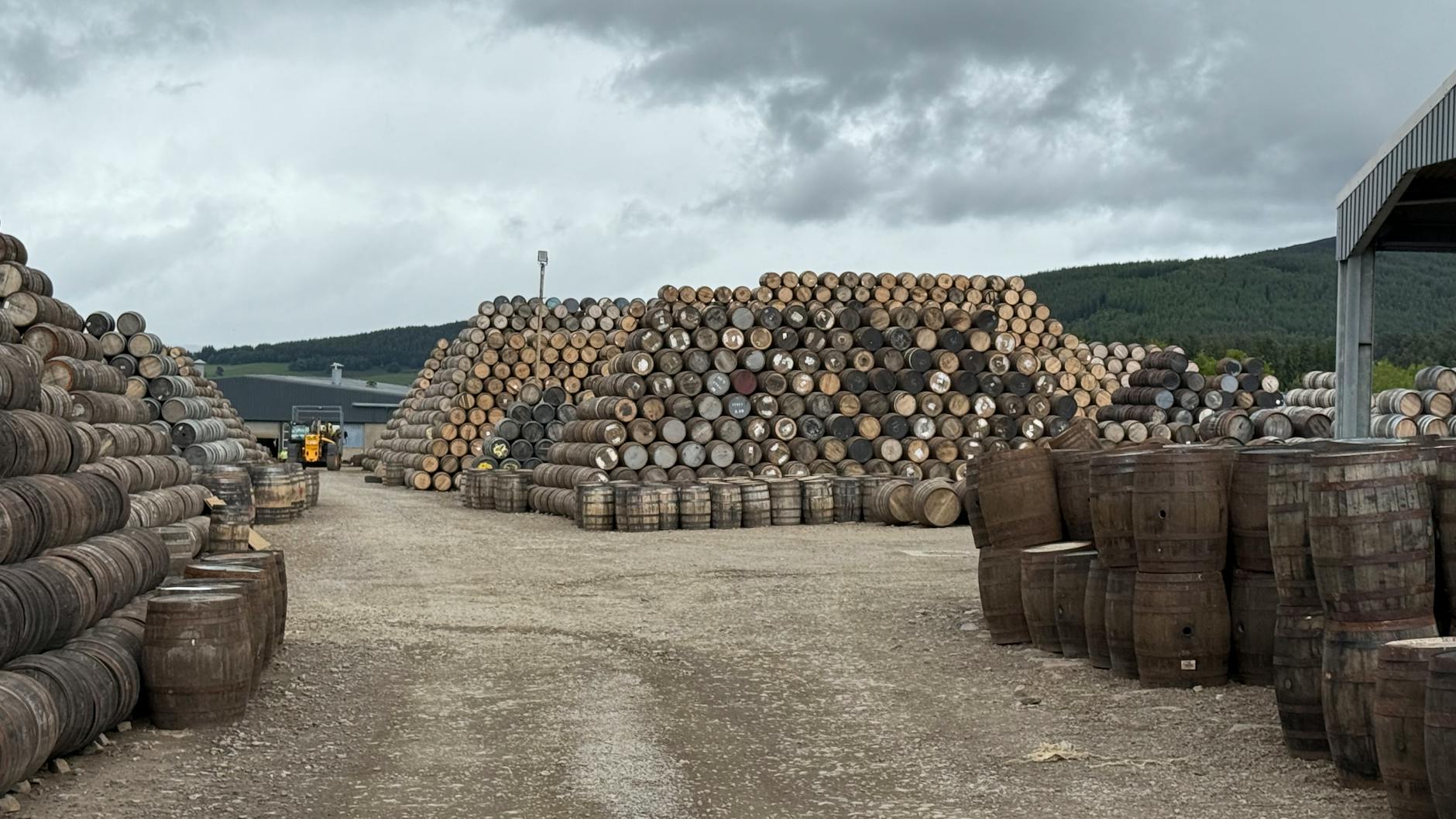
Bourbon production is inherently supply-constrained in ways that differ from Scotch whisky. Under US law, bourbon must be aged in new, charred oak containers — meaning no cask can be reused for a second bourbon fill. This drives consistent demand for new oak, limits the total volume of aged liquid at any given time, and creates a structural floor beneath premium expressions. Kentucky's bonded warehouse stocks, while growing, remain concentrated among a relatively small number of heritage producers. Limestone Branch, where Yellowstone is produced, operates at a boutique scale compared to the industry's largest players, meaning annual output is genuinely finite.
- American whiskey secondary market appreciation (2019–2024): approximately +40%
- Yellowstone Limited Edition secondary premium: 130–150% above retail within 6 months of release
- Cumulative NPCA donations: US$1 million+, spanning multiple years of documented partnership
- Brand founding year: 1872 — one of the oldest registered bourbon names in the US
For cask investors, the broader implication is clear: bourbon's structural supply constraints, combined with accelerating global demand from Asia-Pacific markets and the premiumisation trend in the US domestic market, make it an increasingly credible allocation alongside Scotch single malts. The NPCA partnership adds a layer of ESG narrative that is becoming a meaningful differentiator as family offices and wealth managers apply sustainability screens to alternative asset portfolios.
Investment Takeaway
Investors monitoring the American whiskey segment should treat Yellowstone's US$1 million conservation milestone as a leading indicator of brand durability — the kind of institutional credibility that underpins long-term secondary market demand. The actionable insight is not to rush to acquire Yellowstone bottles speculatively, but to recognise the pattern: bourbon brands that invest in verifiable, large-scale provenance narratives are building the same kind of moat that drives sustained auction premiums in Scotch single malts. For portfolio construction purposes, allocators with existing whisky cask exposure should be evaluating whether their holdings include bourbon expressions with comparable brand equity depth. Those without bourbon exposure should consider whether the category's supply constraints, appreciation trajectory, and growing ESG appeal warrant a dedicated allocation. The US$1 million headline is a data point. The investment thesis behind it is considerably larger.
💼 Interested in alternative asset investment? Speak to the team at Whisky Cask Club — Singapore's leading whisky cask investment specialists.
Frequently Asked Questions
Does bourbon appreciate in value like Scotch whisky casks?
Yes, though the mechanics differ. Bourbon must by law be aged in new charred oak, which limits reuse and creates structural supply constraints. American whiskey secondary market values appreciated by approximately 40% between 2019 and 2024, with heritage and limited-edition expressions leading the gains. The category is increasingly attracting institutional and family office interest alongside traditional Scotch cask investment.
How does brand provenance affect whisky investment returns?
Brand provenance creates a premium layer above the base value of aged liquid. Distilleries with documented heritage, conservation partnerships, or verifiable institutional credentials consistently command higher secondary market prices. Yellowstone Limited Edition expressions, for example, have traded at 130–150% above retail within six months of release — a direct reflection of the brand's equity depth and collectability.
What is the National Parks Conservation Association's role in Yellowstone Bourbon's investment case?
The NPCA partnership is a quantifiable ESG credential that strengthens Yellowstone's brand narrative with a specific, auditable figure — now exceeding US$1 million in cumulative donations. For investors applying sustainability screens to alternative assets, this kind of verified environmental commitment is becoming a meaningful differentiator and a driver of demand from ESG-aligned buyers in secondary markets.
Is bourbon a viable alternative to Scotch for cask investment?
Bourbon is an increasingly credible complement to Scotch in an alternative asset portfolio. Its structural supply constraints — driven by the legal requirement to use new oak for every fill — create a natural scarcity dynamic. Growing demand from Asia-Pacific markets and the premiumisation trend in the US domestic market are providing demand-side support. Investors should consider bourbon as a diversification layer rather than a direct substitute for Scotch single malt casks.
What should investors look for when evaluating bourbon brand investments?
Key indicators include brand heritage and age of registration, documented production volume constraints, verifiable provenance narratives (such as conservation partnerships or historical significance), and secondary market price performance relative to retail. Expressions with consistent auction premiums of 100% or more above retail, combined with limited annual output, represent the strongest risk-adjusted opportunities within the American whiskey segment.
💼 Interested in alternative asset investment? Speak to the team at Whisky Cask Club — Singapore's leading whisky cask investment specialists.