Corporate Consolidation as a Market Signal for Canadian Whisky Investment
Chilco River Holdings has acquired Daru Whiskey, a Canadian spirits brand, in a move that signals growing institutional appetite for whisky assets north of the 49th parallel. While deal terms have not been publicly disclosed, the acquisition follows a broader pattern of strategic consolidation across the North American whisky sector — one that has historically preceded significant price appreciation in underlying cask and bottle assets. Canadian whisky remains one of the most undervalued categories in the global spirits investment market, with aged stocks trading at a fraction of comparable Scotch or Japanese product. For sophisticated investors tracking alternative asset flows, this deal deserves attention.
The global whisky investment market was valued at approximately USD $1.9 billion in 2022 and is projected to exceed USD $2.8 billion by 2028, representing a compound annual growth rate of around 6.7%. Within that market, Canadian whisky has historically underperformed its peers in terms of investor recognition — yet the fundamentals are compelling. Canadian rye and blended whiskies have seen renewed international demand, driven in part by cocktail culture in the United States and growing export interest from Asia-Pacific markets. When holding companies like Chilco River begin acquiring brands at this stage of the cycle, it often foreshadows a revaluation of the broader category.
Why This Acquisition Matters to Portfolio Investors
Corporate acquisitions in the spirits sector are not merely commercial events — they are pricing signals. When a holding company acquires a whisky brand, it is effectively placing a bet on future demand for that style of spirit. Chilco River Holdings, by absorbing Daru Whiskey into its portfolio, is expanding its exposure to Canadian whisky at a time when aged Canadian stock is genuinely scarce. Unlike Scotch whisky, where distillery output data is relatively transparent, Canadian whisky production figures are less widely reported — which creates an information asymmetry that experienced alternative asset investors can exploit.
Consider the comparable trajectory of Japanese whisky. In the early 2010s, Japanese single malts were overlooked by mainstream collectors and investors alike. Between 2015 and 2023, rare Japanese whisky bottles appreciated by over 400% at auction, with Rare Whisky 101 tracking consistent double-digit annual gains across the category. Canadian whisky is not Japanese whisky — but the structural conditions rhyme. Limited aged stock, rising international brand recognition, and now active M&A activity from holding companies all point in the same direction.
- Canadian whisky export growth (2018–2023): approximately +22% by volume to key Asian markets
- Scotch cask appreciation (10-year average): +10–15% per annum for premium distilleries
- Canadian aged stock availability: constrained, with limited transparency on remaining warehouse inventory
- M&A activity in North American spirits (2022–2024): over 40 brand-level transactions recorded
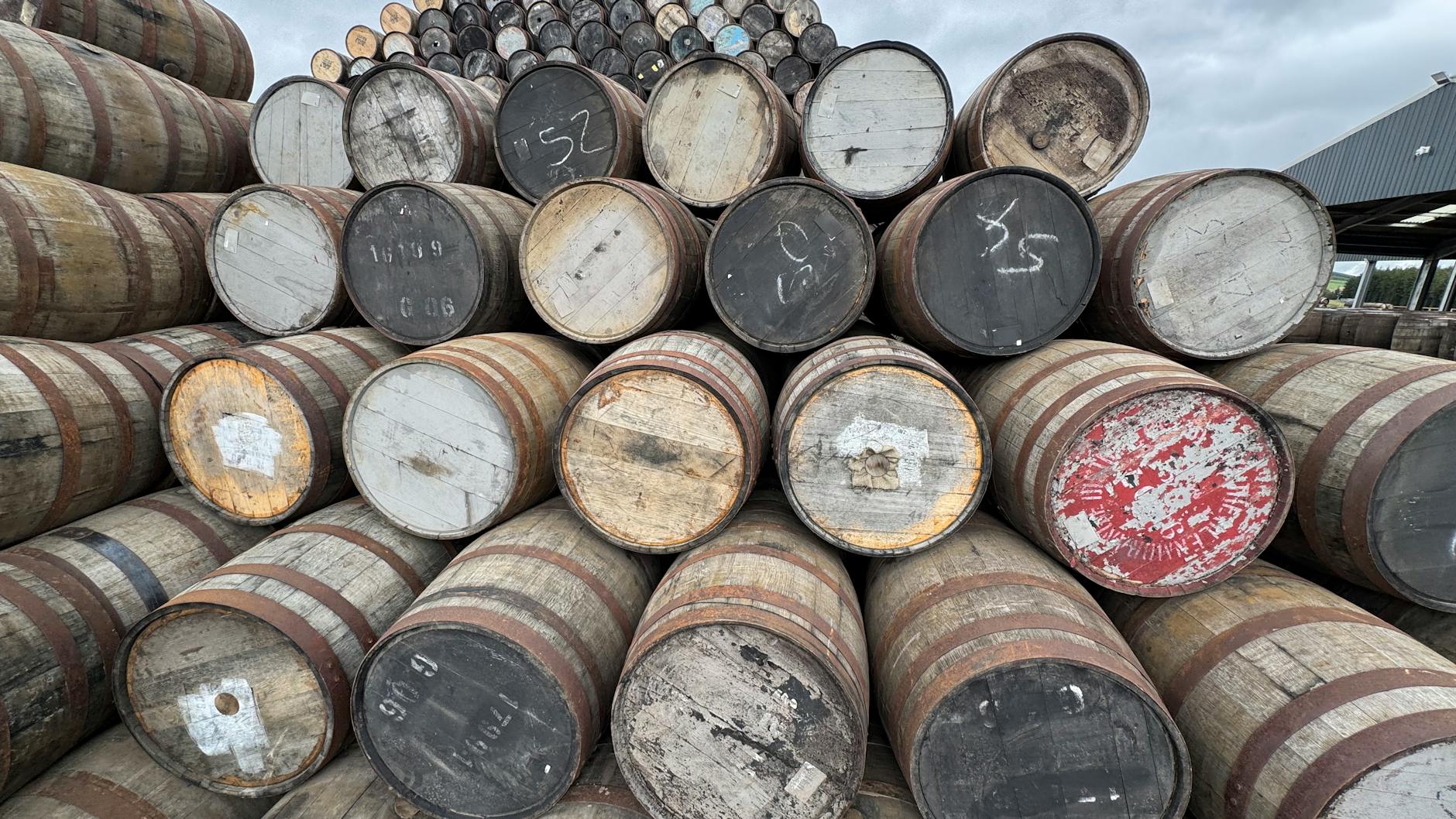
The scarcity dynamic is particularly relevant here. Daru Whiskey, as a smaller Canadian producer, will have a finite stock of aged casks. Once those assets are absorbed into a holding company's balance sheet, access for independent investors narrows considerably. This is a recurring pattern in the whisky investment market — early-stage brand acquisitions tend to remove accessible inventory from the secondary market, tightening supply and supporting price floors for existing holders of comparable assets.
Investment Takeaway
Investors watching the Canadian whisky category should treat this acquisition as a directional signal rather than an isolated event. The playbook here is familiar: corporate consolidation reduces available inventory, increases brand visibility, and ultimately supports secondary market valuations for aged casks and rare bottles within the category. For those with existing allocations to Scotch or Irish whisky casks, this is a moment to assess whether Canadian whisky deserves a position in a diversified alternative asset portfolio. The entry point for Canadian cask assets remains relatively accessible compared to premium Scotch — which means the risk-adjusted opportunity may be more attractive now than it will be in three to five years, once institutional capital has fully priced in the category's potential.
As with any alternative asset, due diligence on provenance, storage conditions, and exit liquidity is essential. But the directional case for Canadian whisky — reinforced by moves like Chilco River's acquisition of Daru — is becoming harder to ignore for investors who track where holding companies are placing their capital.
💼 Interested in alternative asset investment? Speak to the team at Whisky Cask Club — Singapore's leading whisky cask investment specialists.
💼 Interested in alternative asset investment? Speak to the team at Whisky Cask Club — Singapore's leading whisky cask investment specialists.
💼 Interested in alternative asset investment? Speak to the team at Whisky Cask Club — Singapore's leading whisky cask investment specialists.