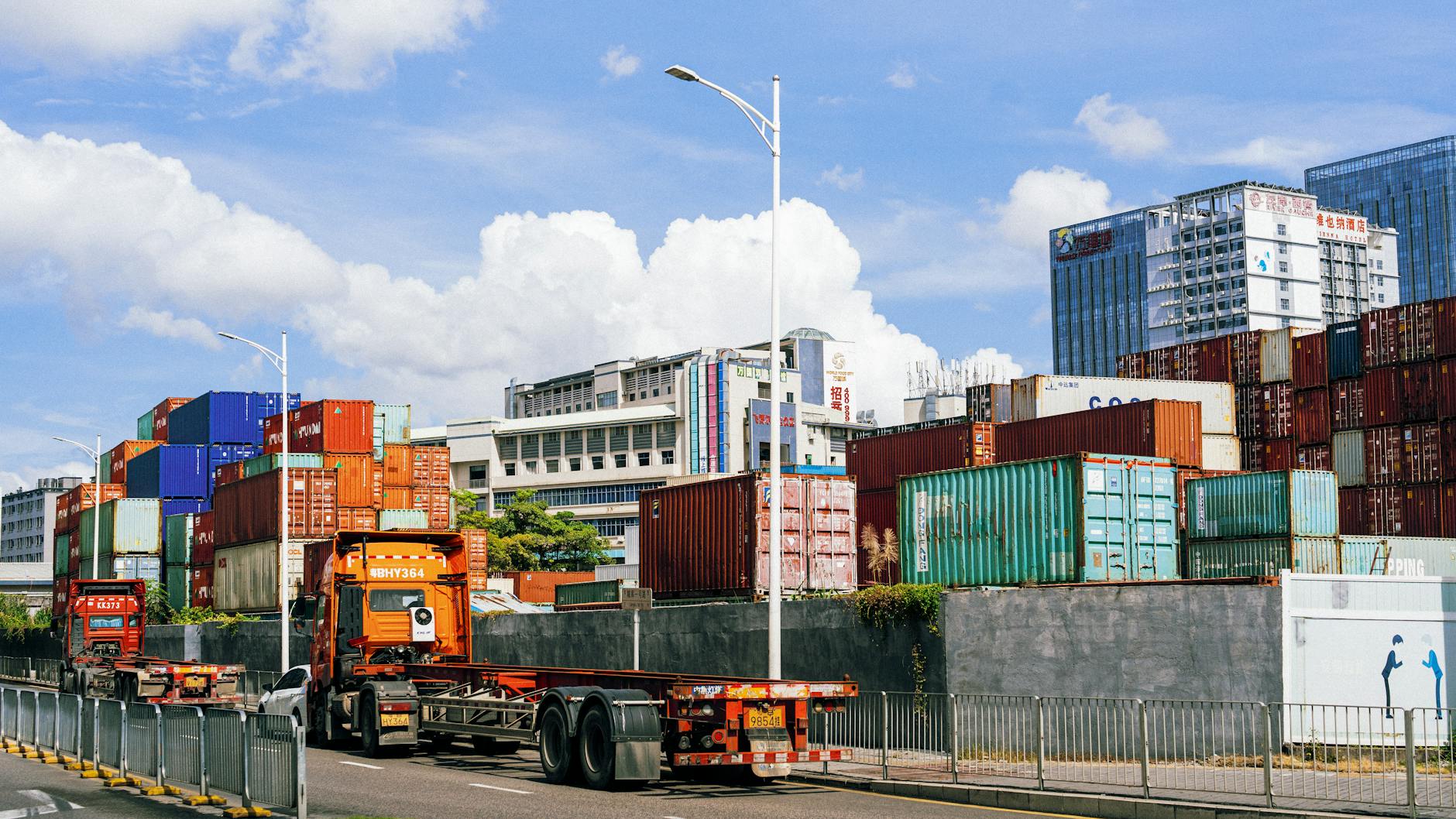
Coca-Cola Consolidated's $35m Indianapolis capex signals strong beverage demand confidence. For alternative asset investors, this reinforces the whisky cask investment thesis — a market projected to reach $105bn by 2031, with casks historically returning 10–15% annually.
Coca-Cola's $35M Capex Signal and What Beverage Infrastructure Means for Alternative Asset Investors
Coca-Cola Consolidated's decision to inject $35 million into its Indianapolis, Indiana, manufacturing facility is more than a corporate balance sheet line item — it is a hard signal about where capital is flowing in the consumer beverage sector. For alternative asset investors tracking supply chain dynamics, infrastructure spending of this scale at a single facility points to sustained demand for bottled and canned beverages in the United States. When the largest independent Coca-Cola bottler in the country commits nine-figure-adjacent capex to a single plant, it tells a story about production capacity, distribution economics, and long-term demand confidence that extends well beyond carbonated soft drinks.
The Indianapolis facility expansion is part of a broader pattern of domestic manufacturing investment that has accelerated since 2021, driven by reshoring trends, logistics cost pressures, and consumer demand resilience. Coca-Cola Consolidated reported net sales of approximately $6.9 billion in fiscal year 2023, with operating income rising to over $700 million — figures that underscore the financial firepower behind this kind of strategic capex deployment. For investors, the question is not whether Coca-Cola Consolidated will benefit, but what adjacent markets this kind of infrastructure confidence unlocks.
Why Beverage Sector Confidence Matters to Alternative Asset Portfolios
When major beverage producers expand physical infrastructure, they are effectively pricing in long-term consumer demand. That same demand confidence is one of the structural pillars underpinning the premium spirits and whisky cask investment market. The global whisky market was valued at approximately $70 billion in 2023 and is projected to reach $105 billion by 2031, representing a compound annual growth rate of around 5.4%. Unlike carbonated beverages, Scotch whisky casks benefit from a legally mandated minimum maturation period of three years — and the most investable expressions are typically held for 10 to 25 years, creating a supply constraint that no amount of capex can immediately resolve.
This scarcity dynamic is fundamental to the investment thesis. A distillery cannot accelerate the ageing process regardless of how much capital it deploys. When Coca-Cola Consolidated spends $35 million to increase output, it can see results within months. A whisky investor purchasing a cask of new-make spirit today is locking into a timeline that the market simply cannot shortcut — and that illiquidity premium has historically translated into meaningful appreciation.
- Scotch whisky cask appreciation (10-year average): +10% to +15% per annum for premium expressions
- Global whisky market size (2023): approximately $70 billion
- Projected market size (2031): approximately $105 billion
- Minimum legal maturation (Scotch): 3 years — premium investment casks typically 10–25 years
- Knight Frank Luxury Investment Index: Rare whisky ranked among the top-performing collectible asset classes over the past decade
How Beverage Infrastructure Spending Reflects Broader Demand Trends
Investors who track consumer staples capex as a leading indicator of demand health will find Coca-Cola Consolidated's move instructive. Large-scale manufacturing investment signals that producers expect sustained volume, pricing power, and distribution reach — all of which correlate with a consumer base that is spending on beverages across the quality spectrum. The premiumisation trend, well-documented in both soft drinks and spirits categories, has driven consumers toward higher-margin, higher-quality products. In spirits, this has manifested as surging demand for single malt Scotch, aged Japanese whisky, and rare American bourbon — the very categories that form the backbone of the whisky cask investment market.
Auction data reinforces this narrative. In 2023, rare whisky bottles and casks continued to command record prices at specialist auction houses including Whisky Auctioneer and Bonhams. A single cask of Macallan has previously achieved hammer prices exceeding £16,000 at auction, while aged expressions from closed distilleries such as Port Ellen and Brora regularly trade at multiples of their original release price. The supply of these expressions is finite and diminishing — a structural characteristic that no infrastructure investment can replicate.
Investment Takeaway: Reading Corporate Signals for Alternative Asset Allocation
The Coca-Cola Consolidated capex announcement is a reminder that capital follows demand — and demand for premium beverages, including aged spirits, shows no structural signs of reversal. For high-net-worth investors building diversified alternative asset portfolios, whisky casks offer a compelling combination of low correlation to public equity markets, a legally enforced scarcity mechanism, and a track record of consistent appreciation over multi-year holding periods. The entry point matters: new-make casks from reputable Scottish distilleries can be acquired for between £2,000 and £10,000, with the expectation that a decade of maturation will materially enhance both the liquid's quality and its market value.
Investors should focus on distilleries with strong secondary market demand, transparent cask provenance, and verifiable storage under HMRC-bonded warehouse conditions. Unlike equities or real estate, a whisky cask's value is anchored to a physical, consumable asset with a global buyer base and a cultural cachet that has only strengthened over the past two decades. As beverage sector confidence signals accumulate — and corporate capex data is one such signal — the case for allocating a portion of an alternative portfolio to whisky casks becomes increasingly well-supported by the underlying market fundamentals.
Frequently Asked Questions
What is whisky cask investment and how does it work?
Whisky cask investment involves purchasing a physical cask of maturing spirit — typically Scotch whisky — from a distillery or broker. The investor owns the liquid as it ages in a bonded warehouse, with the expectation that the whisky's value appreciates over time due to evaporation losses (reducing volume), maturation quality improvements, and rising market demand. Casks can be sold privately, at auction, or bottled for retail sale.
How does Coca-Cola Consolidated's capex relate to whisky investment?
Coca-Cola Consolidated's $35 million facility expansion reflects broad confidence in sustained consumer beverage demand. This same demand tailwind supports the premium spirits market, where consumer premiumisation trends are driving stronger prices for aged and rare whisky expressions — directly benefiting investors holding mature casks.
What returns have whisky casks historically delivered?
Premium whisky casks have historically delivered annualised returns of between 10% and 15% over ten-year holding periods, according to market data from specialist brokers and auction results. The Knight Frank Luxury Investment Index has consistently ranked rare whisky among the top-performing alternative asset classes over the past decade, outperforming fine art and classic cars in several years.
What are the key risks of investing in whisky casks?
Key risks include illiquidity — casks are not traded on public markets and finding a buyer requires specialist channels — as well as storage costs, potential for cask leakage or spoilage, and market price volatility for less established distilleries. Investors should use regulated brokers, verify HMRC bonded warehouse storage, and obtain independent cask valuations before purchasing.
How much capital is needed to start investing in whisky casks?
Entry-level whisky cask investments typically begin at around £2,000 to £5,000 for new-make or young spirit casks from reputable Scottish distilleries. More established or aged casks from premium distilleries can command £10,000 to £50,000 or more. Specialist advisers can help investors identify appropriate entry points based on budget, risk appetite, and target holding period.
💼 Interested in alternative asset investment? Speak to the team at Whisky Cask Club — Singapore's leading whisky cask investment specialists.
💼 Interested in alternative asset investment? Speak to the team at Whisky Cask Club — Singapore's leading whisky cask investment specialists.