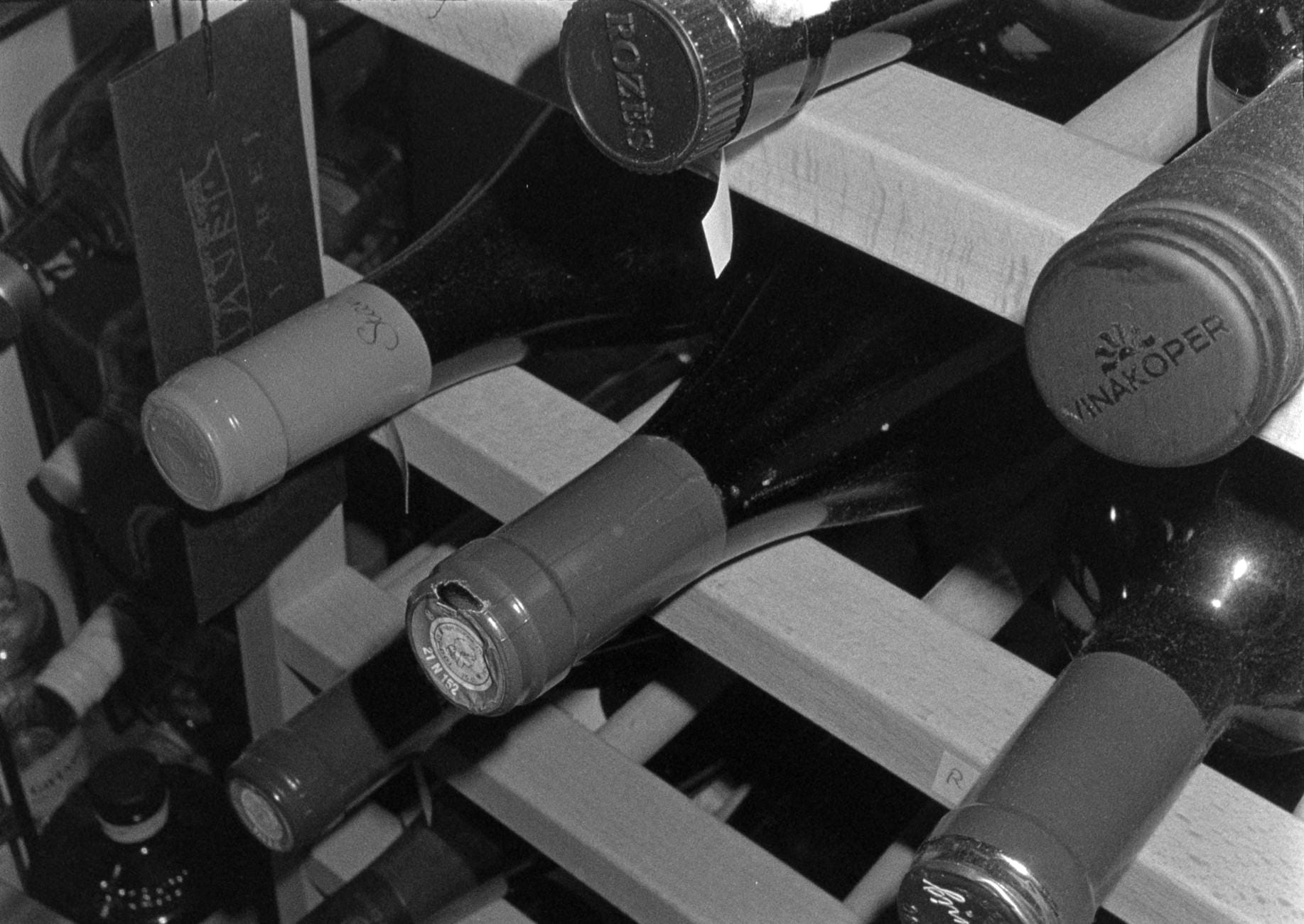
The UK ASA banned a La Vieille Ferme TikTok ad for implying health benefits. For fine wine investors, the ruling highlights brand equity risk — a key driver of secondary market premiums — and reinforces the case for diversified, monitored wine portfolios.
Fine Wine Investment and Regulatory Risk: The Signal Investors Should Not Ignore
The UK's Advertising Standards Authority (ASA) upheld a complaint against La Vieille Ferme in mid-2024 after a TikTok advertisement for the French wine brand implied the product carried therapeutic health benefits — a clear breach of the UK's strict advertising codes governing alcohol. For fine wine investors, the episode is more than a footnote: it is a live demonstration of how brand equity, the single most powerful driver of fine wine secondary market premiums, can be damaged in a matter of hours by a single non-compliant piece of content. La Vieille Ferme, produced by the Perrin family under the broader Famille Perrin umbrella that also controls Château Beaucastel — one of Châteauneuf-du-Pape's most collectable estates — carries real weight in both the commercial and investment-grade wine markets. Any reputational overhang matters to buyers and sellers on the secondary market.
If you hold fine wine as an alternative asset — whether through a bonded warehouse account, a wine investment fund, or direct physical ownership — regulatory incidents affecting the brands in your portfolio are a material risk factor, not background noise. The Liv-ex Fine Wine 100 index, which tracks the secondary market prices of the world's most traded investment-grade wines, has delivered annualised returns of approximately 8–10% over the past decade according to Liv-ex data, outperforming many traditional fixed-income instruments. But those returns are brand-dependent. When a producer's name appears in regulatory enforcement headlines, secondary market liquidity can tighten and price discovery becomes less efficient — particularly for mid-tier labels that lack the insulation of a Pétrus or a DRC.
Why Brand Equity Is the Balance Sheet of Fine Wine
Unlike whisky casks, where maturation time and distillery provenance are the primary value drivers, fine wine investment is overwhelmingly a brand story. According to Liv-ex data published in its 2023 Power 100 report, the top ten most-traded wine brands by value accounted for over 35% of all secondary market transactions by value. Château Beaucastel consistently features in that tier, with back-vintages of its Hommage à Jacques Perrin regularly achieving hammer prices above £500 per bottle at Sotheby's Wine and Hart Davis Hart auctions. The Perrin family's broader portfolio — which includes La Vieille Ferme as an entry-level commercial label — benefits from a halo effect that flows downward from Beaucastel's prestige. When the lower tier of that portfolio attracts negative regulatory attention, the halo dims, even if only temporarily.
The ASA's ruling specifically found that the TikTok content suggested wine consumption could offer wellbeing or health-related outcomes. Under the UK's CAP Code, any such implication for an alcoholic beverage is prohibited outright. The ruling was published publicly, meaning it now forms part of the permanent searchable record of ASA adjudications — a record that due-diligence buyers, brokers, and fund managers routinely consult. For investors holding La Vieille Ferme or Beaucastel vintages through platforms such as Cult Wines or Vinovest, the practical impact may be negligible in the short term. But the episode crystallises a broader structural risk in fine wine investment that is frequently underweighted: the reputational supply chain.
The fine wine market has grown substantially as an asset class. According to Knight Frank's Wealth Report 2024, fine wine delivered a 5% appreciation over the 12 months to Q4 2023, underperforming its five-year average but still positive in a year when many alternative assets retreated. The global investable fine wine market is estimated at approximately £4 billion by value, with Bordeaux still commanding roughly 40% of Liv-ex trade volume despite Burgundy and Champagne eroding that dominance steadily since 2018.
Brand equity is the balance sheet of fine wine investment. A single regulatory headline cannot erase decades of provenance — but it can reprice liquidity overnight for mid-tier labels that lack the insulation of first-growth Bordeaux or Grand Cru Burgundy.
Key Investment Metrics: Fine Wine as an Alternative Asset
Before drawing portfolio conclusions from the La Vieille Ferme ruling, investors should benchmark the asset class against hard data. The following metrics represent the current state of the investable fine wine market as of 2024:
- Liv-ex Fine Wine 100 10-year annualised return: approximately 8–10% (Liv-ex, 2023)
- Château Beaucastel Hommage à Jacques Perrin 2016 auction estimate: £600–£750 per bottle at Sotheby's Wine (2023 sale results)
- Global investable fine wine market size: approximately £4 billion (Knight Frank Wealth Report 2024)
- Bordeaux share of Liv-ex trade volume: approximately 40% (Liv-ex Power 100, 2023)
- Fine wine 12-month appreciation to Q4 2023: +5% (Knight Frank Wealth Report 2024)
- Top 10 brands' share of secondary market value: over 35% (Liv-ex Power 100, 2023)
These figures confirm that fine wine remains a credible alternative asset, but they also reveal its concentration risk. When more than a third of all secondary market value is concentrated in ten brands, any reputational event touching those brands — or their associated family portfolios — has an outsized effect on overall market sentiment. Investors should treat brand health monitoring as a standard component of fine wine portfolio management, not an afterthought.
How Regulatory Risk Compares Across Alternative Assets
Comparing fine wine to other alternative assets on the regulatory risk dimension is instructive. Whisky cask investment, for instance, carries its own regulatory exposure — HMRC's classification of cask ownership, the Scotch Whisky Regulations 2009 governing maturation and labelling, and the Scotch Whisky Association's active enforcement of geographic indications all create a compliance environment that sophisticated investors must understand. According to Rare Whisky 101 data, the RW Apex 1000 index — tracking the 1,000 most actively traded Scotch whisky bottles — appreciated by over 170% in the decade to 2022, a figure that reflects both genuine scarcity and the integrity of the regulatory framework protecting Scotch's provenance. Paradoxically, a robust regulatory environment is a feature, not a bug, for alternative asset investors: it protects the scarcity premium that drives returns.
Fine wine operates under a similarly layered regulatory structure — Appellation d'Origine Contrôlée (AOC) rules in France, the Protected Designation of Origin framework across the EU, and national advertising codes in each market where wine is marketed. The La Vieille Ferme case is a reminder that the marketing layer of that structure carries real enforcement teeth. The ASA published its adjudication, the brand received reputational exposure, and the compliance failure is now on permanent public record. For investors in watches, art, or rare collectibles — asset classes with comparatively lighter regulatory oversight — fine wine's compliance environment may actually appear more transparent and therefore more predictable as a risk factor.
Art investment, by comparison, has faced growing scrutiny over anti-money laundering compliance under the EU's Fifth Anti-Money Laundering Directive, which came into force in 2020 and brought high-value art dealers into scope for the first time. The global art market was valued at $65 billion in 2023 according to the Art Basel and UBS Global Art Market Report, but regulatory uncertainty around provenance documentation and AML compliance continues to suppress institutional allocation to the asset class. Fine wine, with its established auction infrastructure through Christie's, Sotheby's Wine, and Acker, and its well-documented chain of custody through bonded warehouses, compares favourably on transparency — which makes individual brand-level compliance failures like the La Vieille Ferme case more notable precisely because they are relatively rare.
Portfolio Implications: What Investors Should Do Now
The actionable lesson from the La Vieille Ferme ASA ruling is not to divest from the Perrin family's wines — the underlying quality of Château Beaucastel is unimpeached and its secondary market trajectory remains strong. The lesson is to build brand monitoring into your fine wine investment process with the same rigour you would apply to equity research. Investors holding wine through managed platforms such as Cult Wines, Vinovest, or Berry Bros. & Rudd's investment service should ask their account managers directly how brand risk events are tracked and factored into portfolio rebalancing decisions. If the answer is vague, that is itself a due-diligence signal.
Diversification across regions remains the most effective hedge against single-brand reputational risk. A portfolio weighted across Bordeaux first-growths, top Burgundy domaines such as Domaine de la Romanée-Conti or Domaine Leroy, leading Rhône producers, and emerging-market fine wine from Napa Valley or Tuscany's Super Tuscans will absorb brand-level shocks far more effectively than a concentrated position in any single producer's range. According to Cult Wines' 2023 annual report, portfolios diversified across at least four wine regions delivered more consistent risk-adjusted returns over a five-year period than single-region allocations, with lower drawdown in years of market stress.
What to Watch: Key Developments for Fine Wine Investors
Several forward-looking factors will shape fine wine investment returns and risk profiles over the next 12–24 months. Investors should track the following:
- ASA and CAP Code enforcement trends: The UK regulator has signalled increased scrutiny of alcohol advertising on social media platforms following a broader review of influencer marketing standards in 2023. More adjudications affecting wine brands are likely, and each one creates a searchable public record that affects secondary market perception.
- Liv-ex index rebalancing (Q1 2025): Liv-ex periodically reviews the composition of its benchmark indices. Any changes to the Fine Wine 100 or Fine Wine 1000 weightings will affect the brands most actively traded and tracked by institutional investors.
- En primeur 2023 Bordeaux campaign pricing: The 2023 Bordeaux vintage release, expected in spring 2025, will be a critical pricing signal. Following the controversial high pricing of the 2022 en primeur campaign — which suppressed buyer appetite — the 2023 campaign's pricing strategy will indicate whether Bordeaux châteaux are recalibrating to market realities.
- UK post-Brexit wine import regulations: The UK government's revised import controls, including new phytosanitary certification requirements that came into effect in 2024, have added friction and cost to the fine wine supply chain. Any further regulatory changes affecting bonded warehouse operations or provenance documentation will have direct implications for investment-grade wine liquidity.
- Burgundy 2022 vintage secondary market performance: Early auction results from Christie's and Acker in late 2024 will provide the first systematic read on whether the highly anticipated 2022 Burgundy vintage is commanding the premiums that pre-release commentary suggested.
Frequently Asked Questions
Does the La Vieille Ferme ASA ruling affect the investment value of Château Beaucastel wines?
In the short term, the direct impact on Château Beaucastel's secondary market prices is likely minimal. Beaucastel is a prestige label with decades of auction history and a loyal international collector base. However, the ruling does introduce a reputational overhang for the broader Perrin family portfolio, and investors should monitor subsequent Liv-ex price data for Beaucastel vintages over the next two to three quarters to assess whether any softening occurs.
How does brand regulatory risk compare to other risks in fine wine investment?
Brand regulatory risk is lower probability but high visibility compared to the more common risks in fine wine investment — vintage variation, storage and provenance fraud, and illiquidity. Because ASA adjudications are publicly searchable and permanent, they create a lasting reputational signal that can affect buyer confidence at auction. Diversification across multiple producers and regions remains the most effective mitigation strategy.
Which fine wine investment platforms offer the best brand risk monitoring?
Cult Wines, Berry Bros. & Rudd's investment arm, and Vinovest are among the most established managed fine wine investment platforms with active portfolio management teams. Investors should specifically ask each platform how they monitor brand-level regulatory and reputational events and whether such events trigger portfolio review protocols. Transparency on this point is a meaningful differentiator between platforms.
Is fine wine still a strong alternative asset compared to whisky casks in 2024?
Both asset classes have delivered strong long-run returns, but they carry different risk profiles. Fine wine, tracked by the Liv-ex Fine Wine 100, has delivered approximately 8–10% annualised over a decade. Whisky casks, tracked by indices such as the Rare Whisky 101 RW Apex 1000, have shown even stronger appreciation in certain periods, with the added advantage of physical maturation increasing intrinsic value over time. Whisky casks also carry different regulatory risks, primarily around Scotch Whisky Regulations compliance rather than advertising standards. A balanced alternative asset allocation may benefit from exposure to both.
Source: Whisky Bulletin coverage of cask investment on Whisky Bulletin.
💼 Interested in alternative asset investment? Speak to the team at Whisky Cask Club — Singapore's leading whisky cask investment specialists.
💼 Interested in alternative asset investment? Speak to the team at Whisky Cask Club — Singapore's leading whisky cask investment specialists.