The 2025 Venice Biennale signals which artists will command premium auction prices within 36 months. Biennale participation historically drives 30–150% appreciation. Investors should screen the artist list now and consider blending art with whisky casks for a diversified alternative asset allocation.
Art Market Investment: What Does Venice Biennale Signal for Collectors in 2025?
The art market investment case rarely arrives gift-wrapped, but the Venice Biennale — the world's oldest and most prestigious international art exhibition — has historically served as a reliable leading indicator for where serious capital flows next. The 2025 edition, titled In Minor Keys and curated by Adriano Pedrosa, arrives at a moment of acute global tension, and the works on display reflect that weight. For investors tracking the art market, the Biennale is not merely a cultural spectacle — it is a price discovery mechanism, a reputational launchpad, and a forward-looking signal for which artists, movements, and geographies will command premium auction results in the years ahead. With the global art market valued at approximately $65 billion annually according to the Art Basel and UBS Global Art Market Report 2024, the stakes are considerable.
Why the Biennale Matters to Art Market Investors
The Venice Biennale has a documented track record of accelerating artist valuations. Artists who gain significant visibility at Venice — whether through national pavilion representation or inclusion in the central exhibition — frequently see auction hammer prices rise by 30% to 150% within 18 to 36 months of their appearance. The mechanism is straightforward: institutional validation drives collector demand, which tightens secondary market supply, which pushes prices upward. This edition's focus on artists from the Global South, marginalised communities, and post-colonial perspectives continues a curatorial trend that has been reshaping auction room demographics and price hierarchies since at least 2019.
The numbers support this thesis. Nigerian artist Toyin Ojih Odutola, whose work has appeared in major institutional contexts, saw her auction results climb from sub-$50,000 to over $400,000 in under a decade. Colombian artist Oscar Murillo, who gained international exposure through high-profile institutional shows, achieved hammer prices exceeding £1 million at Christie's London. The pattern repeats: institutional visibility precedes market re-rating. Investors who track Biennale participation as a screening criterion — rather than waiting for the re-rating to happen — position themselves ahead of the broader collector class.
- Global art market size (2024): $65 billion annually
- Typical post-Biennale price appreciation: 30%–150% within 36 months
- Oscar Murillo auction peak: Over £1 million at Christie's London
- Toyin Ojih Odutola appreciation: Sub-$50,000 to $400,000+ over a decade
- Market trend: Global South artists outperforming Western blue-chip peers on percentage returns since 2020
How Does Biennale Participation Translate Into Portfolio Strategy?
For high-net-worth investors building alternative asset allocations, art functions as a low-correlation, illiquid asset with asymmetric upside when entry points are correctly identified. The Biennale provides one of the most reliable early-warning systems available. Artists selected for national pavilion representation undergo rigorous institutional vetting — a form of due diligence that mirrors, in cultural terms, the credit analysis applied to other alternative assets. This year's In Minor Keys leans heavily into works that engage with conflict, displacement, and collective grief, themes that have historically resonated with major institutional buyers including museum acquisition committees and sovereign wealth-linked foundations.
The scarcity dynamics are also worth noting. Many of the artists featured at Venice operate in relatively constrained production environments — small studios, limited edition outputs, and galleries that tightly manage secondary market supply. This supply constraint, combined with growing demand from a new generation of collectors in Southeast Asia, the Middle East, and Latin America, creates the conditions for sustained price appreciation rather than speculative spikes. According to Art Basel's 2024 data, high-net-worth collectors in Asia-Pacific increased their art spending by 18% year-on-year, with a pronounced preference for artists with strong institutional credentials.
The Broader Alternative Assets Context
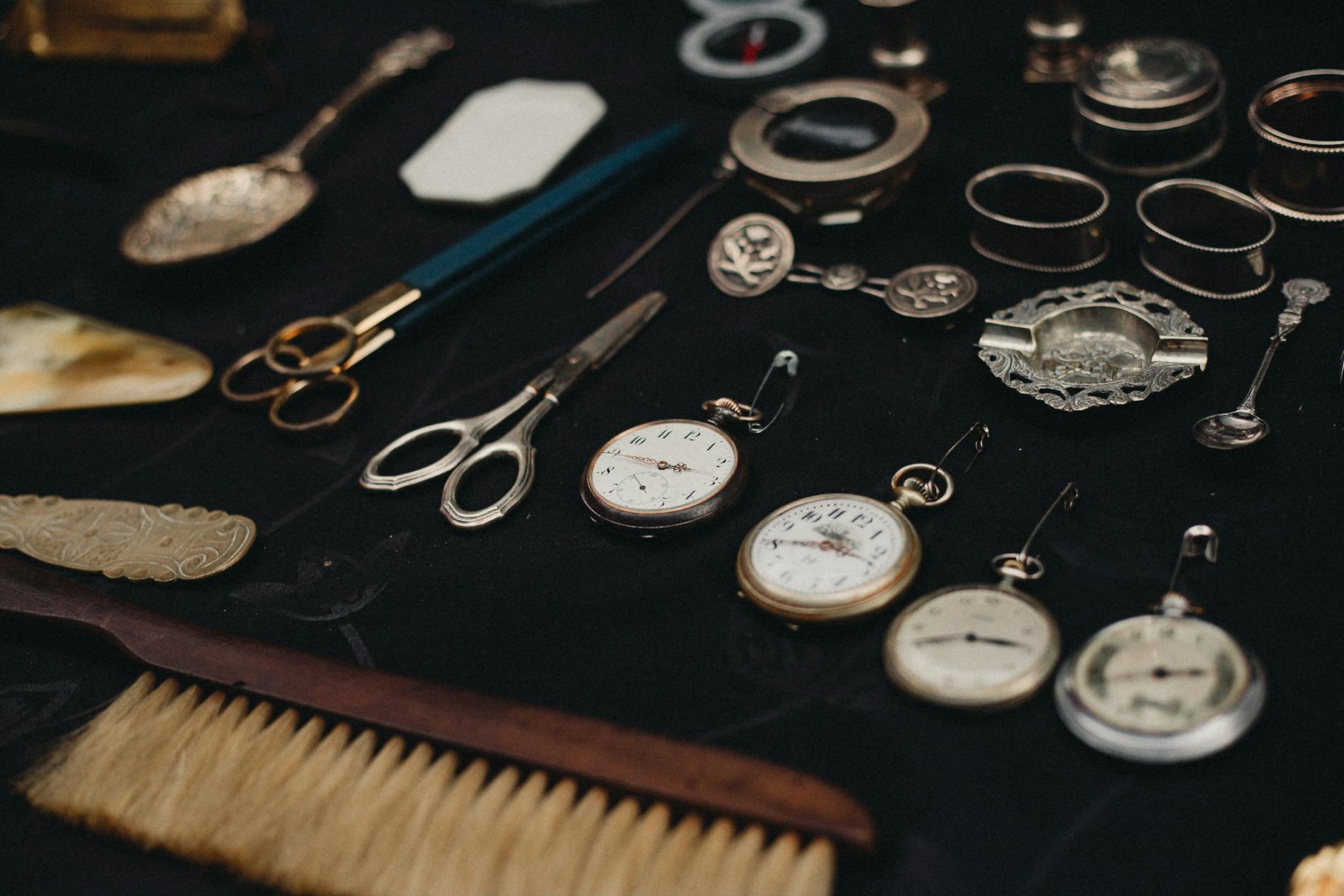
Art does not exist in isolation as an alternative investment. Sophisticated portfolios increasingly blend art with other provenance-backed assets — rare whisky casks, fine wine, vintage watches, and limited-edition collectibles — to build diversification across illiquid, non-correlated categories. The common thread across all of these asset classes is scarcity, authenticity, and the role of institutional or expert validation in driving price discovery. Just as a Biennale appearance re-rates an artist, a gold medal at the World Whiskies Awards or a critical vintage assessment from Robert Parker re-rates a cask or a bottle. The investment logic is structurally identical: validated scarcity plus growing demand equals price appreciation over time.
Whisky cask investment, in particular, has demonstrated annualised returns of 8% to 15% over rolling five-year periods, with rare single malt casks from distilleries such as Macallan, Springbank, and Port Ellen achieving significantly higher appreciation at specialist auction. The Knight Frank Luxury Investment Index consistently ranks rare whisky among the top-performing alternative assets, having appreciated 280% over the past decade. For investors already considering art as a portfolio allocation, the case for blending in whisky casks — with their tangible, insured, and maturation-driven return profile — is compelling.
Investment Takeaway
The 2025 Venice Biennale is a screening opportunity, not a shopping trip. Investors should treat the artist list as a research universe, cross-referencing Biennale participants against current gallery representation, secondary market liquidity, and institutional acquisition history. Artists with strong Biennale visibility but limited secondary market presence represent the highest-conviction entry points — the gap between institutional recognition and market pricing is where returns are generated. Set a 24-to-36-month horizon, work with a specialist art advisor who has access to primary market allocations, and size positions to reflect the illiquidity premium inherent in the asset class. For investors who want exposure to alternative assets with clearer liquidity windows and documented return profiles, whisky casks offer a complementary allocation that requires no curatorial expertise — only a focus on provenance, distillery reputation, and maturation trajectory.
💼 Interested in alternative asset investment? Speak to the team at Whisky Cask Club — Singapore's leading whisky cask investment specialists.
Frequently Asked Questions
How does Venice Biennale participation affect an artist's market value?
Biennale participation provides institutional validation that typically drives 30% to 150% price appreciation in the secondary auction market within 18 to 36 months. The mechanism is supply and demand: institutional recognition increases collector interest while the artist's output remains constrained, pushing prices upward on the secondary market.
Is art a reliable alternative investment compared to whisky casks or fine wine?
Art offers asymmetric upside but requires specialist knowledge, longer holding periods, and careful liquidity management. Whisky casks and fine wine offer more predictable appreciation curves — whisky casks have returned 8% to 15% annualised over five-year periods — making them more accessible entry points for investors new to alternative assets. A blended allocation across categories reduces concentration risk.
What is the global art market worth and how is it growing?
The global art market was valued at approximately $65 billion in 2024 according to the Art Basel and UBS Global Art Market Report. Growth is being driven by new collector bases in Asia-Pacific, the Middle East, and Latin America, with high-net-worth collectors in Asia-Pacific increasing spending by 18% year-on-year in 2024.
How do investors identify artists worth buying before prices rise?
Key signals include major institutional exhibition appearances such as the Venice Biennale, museum acquisitions, representation by top-tier galleries, and limited secondary market supply. Cross-referencing these factors against current auction price levels identifies the gap between institutional recognition and market pricing — which is where the most significant return opportunities typically exist.
How does whisky cask investment compare to art in terms of returns?
Rare whisky has appreciated 280% over the past decade according to the Knight Frank Luxury Investment Index, with annualised returns of 8% to 15% for well-selected casks. Unlike art, whisky casks benefit from a natural maturation process that adds intrinsic value over time, providing a more predictable appreciation driver that does not depend on curatorial trends or collector sentiment cycles.
💼 Interested in alternative asset investment? Speak to the team at Whisky Cask Club — Singapore's leading whisky cask investment specialists.