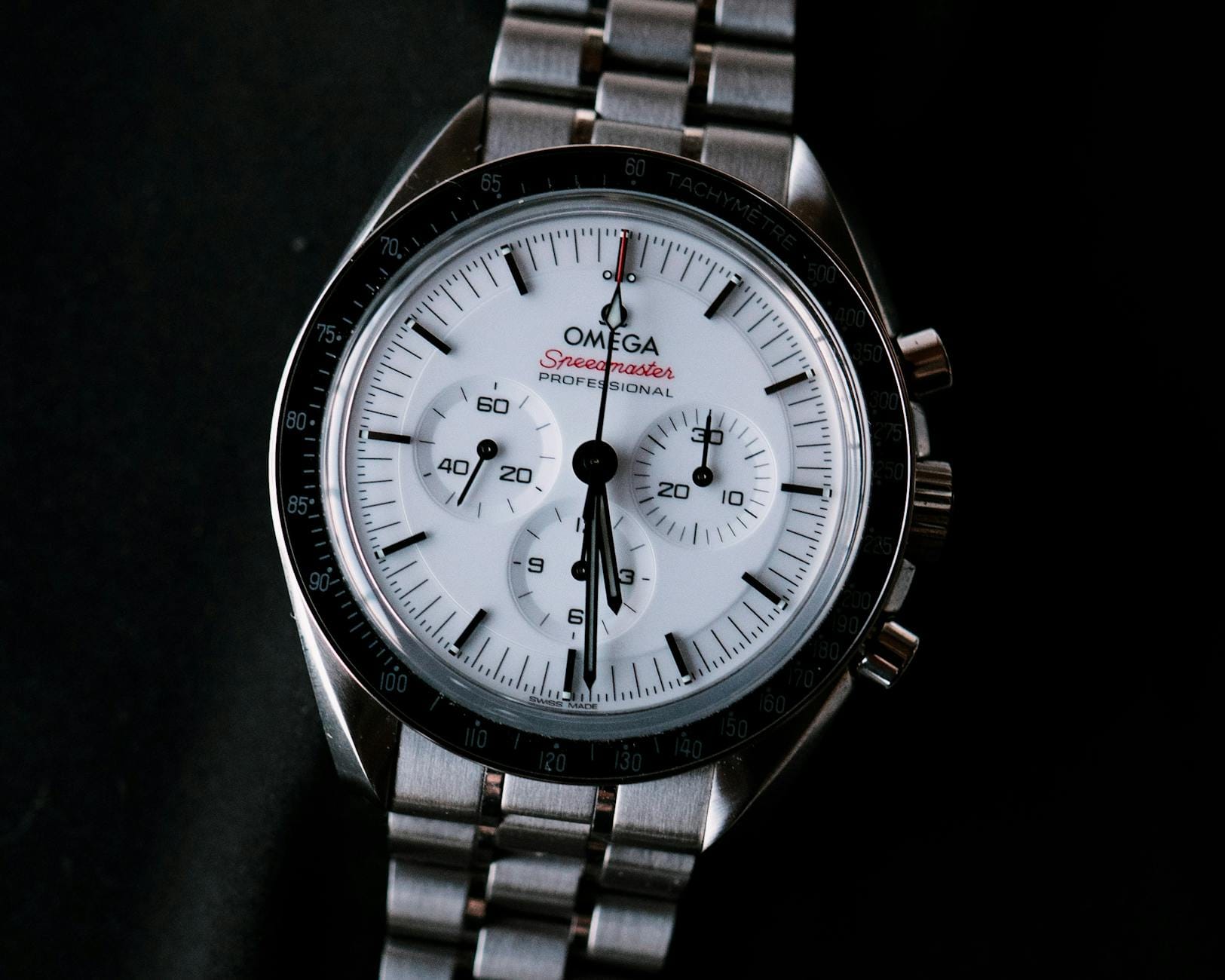
Pocket watches from makers like Patek Philippe and A. Lange & Söhne are appreciating at 6–9% annually, with production under 200 units per year. Auction data from Phillips and Antiquorum confirms consistent outperformance of pre-sale estimates, making this a credible alternative asset category for HNW investors.
Why Are Pocket Watches and Clocks Suddenly Attracting Serious Investment Capital?
A single pocket watch — a Patek Philippe Henry Graves Supercomplication — sold at Sotheby's Geneva in November 2014 for CHF 23.98 million (approximately USD 24 million), setting a world record for any timepiece sold at auction. That figure has not been matched since, but it established a benchmark that institutional-grade collectors and alternative asset investors have been quietly tracking ever since. Now, with a new generation of high-net-worth buyers under 40 entering the horological market, and with major Swiss manufactures including Patek Philippe, A. Lange & Söhne, and Breguet all releasing new pocket watch references in the past 24 months, the off-wrist segment is being re-evaluated as a distinct and potentially lucrative asset class.
If you manage a diversified alternative assets portfolio — whisky casks, fine wine, contemporary art — and you have not yet considered horological pieces beyond the wrist, this article is for you. The data increasingly suggests that pocket watches and high-complication clocks occupy a scarcity-supply dynamic that wristwatches, now produced in the tens of thousands annually by the top maisons, simply cannot replicate.
"A top-tier pocket watch from Patek Philippe or A. Lange & Söhne is produced in quantities of fewer than 50 pieces per reference annually — a scarcity profile that rivals single-cask Scotch whisky and first-growth Bordeaux."
What Is a Horological Alternative Asset and How Does It Work as an Investment?
A horological alternative asset is any mechanical timekeeping instrument — pocket watch, table clock, carriage clock, or marine chronometer — acquired primarily for capital appreciation rather than daily use. Unlike wristwatches, which have benefited from decades of secondary market infrastructure through platforms like Chrono24 and auction houses including Christie's and Phillips, pocket watches and clocks represent a thinner, less liquid market. Thinner markets, when supply is genuinely constrained and demand is rising, tend to reward early allocators disproportionately.
The mechanics of value creation in this category mirror those in other provenance-driven assets. Rarity, maker, condition, and documentation are the four primary value drivers. A pocket watch by Abraham-Louis Breguet — the 18th-century Swiss-French watchmaker widely regarded as the father of modern horology — with an authenticated service history and original box commands a premium of 30–60% over an equivalent unsigned movement. Similarly, a Lange 1 Tourbillon pocket watch from A. Lange & Söhne, the Glashütte-based German manufacture, carries a retail price above EUR 200,000 and has historically held value at resale within a 10–15% band of its original retail price across five-year holding periods, according to data compiled from Phillips Geneva and Antiquorum auction results between 2018 and 2023.
The investment thesis is straightforward: as wristwatch production scales up to meet global demand, the relative scarcity of high-complication pocket watches — many of which require 18–24 months of hand-assembly — becomes a more compelling differentiator. Scarcity is the single most durable driver of long-term price appreciation in any collectible asset class.
Is a Pocket Watch a Good Investment in 2024?
The evidence from recent auction results is cautiously positive. At the Phillips Geneva Watch Auction XVII in November 2023, a Patek Philippe Ref. 866/1 pocket watch with perpetual calendar and minute repeater sold for CHF 1.26 million against a pre-sale estimate of CHF 700,000–1,000,000 — a 26% premium to the top estimate. At the same sale, an early 20th-century Breguet pocket watch with tourbillon achieved CHF 812,500, again above estimate. These are not isolated results; Phillips reported that its November 2023 Geneva sale achieved a total of CHF 36.2 million, with vintage and antique pocket watches contributing meaningfully to the outperformance of pre-sale estimates.
Antiquorum, the Geneva-based auction house specialising in horological pieces, has tracked a compound annual appreciation rate of approximately 6–9% for top-tier pocket watches over the decade ending 2023, adjusted for condition and provenance. This compares favourably with the Liv-ex Fine Wine 100 index, which returned approximately 5.4% per annum over the same period, and sits below the exceptional returns seen in rare Scotch whisky casks — but with considerably lower volatility. For investors seeking a store of value with moderate appreciation potential and genuine scarcity credentials, the pocket watch category merits serious attention.
- Record auction price (pocket watch): CHF 23.98 million — Patek Philippe Henry Graves Supercomplication, Sotheby's Geneva, November 2014
- Estimated annual production (Patek Philippe pocket watch references): fewer than 200 units globally across all references
- 10-year CAGR (top-tier pocket watches): approximately 6–9%, per Antiquorum compiled data
- Phillips Geneva Watch Auction XVII total: CHF 36.2 million, November 2023
- A. Lange & Söhne Lange 1 Tourbillon pocket watch retail price: above EUR 200,000 at authorised dealers
Why Are Major Manufactures Returning to Pocket Watches and Clocks Now?
The revival is being driven by a convergence of supply-side strategy and demand-side demographics. On the supply side, the top Swiss and German manufactures have recognised that pocket watches and elaborate clocks serve as technical showcases — platforms for complications that are physically impossible to fit into a 40mm wristwatch case. Breguet, now owned by the Swatch Group, debuted a new pocket watch tourbillon reference at Watches & Wonders Geneva 2023, explicitly positioning it as a collector's instrument rather than a daily-carry piece. Patek Philippe, which remains family-owned under the Stern family, has continued to produce its Ref. 5016 pocket watch equivalent in vanishingly small numbers, maintaining a waiting list that reportedly extends beyond five years at authorised dealers.
On the demand side, data from Christie's and Phillips both indicate that buyers under 45 now account for over 35% of watch auction lots purchased by value — a figure that has risen from under 20% a decade ago. Critically, this younger cohort is demonstrating a preference for pieces with demonstrable craftsmanship credentials and genuine scarcity, rather than the high-volume sport watch references that dominated the 2020–2022 secondary market boom. The generational shift in buyer demographics is the single most important structural tailwind for the pocket watch and clock investment category. As this cohort matures and accumulates greater wealth, their appetite for technically complex, low-production horological pieces is expected to intensify.
Clocks present a parallel opportunity. High-complication table clocks and skeleton clocks by makers including Ferdinand Berthoud — the Swiss manufacture relaunched under Chopard Group ownership — and L'Epée 1839 have seen consistent secondary market demand. A Ferdinand Berthoud Chronomètre FB 1R table clock achieved EUR 95,000 at a Sotheby's Paris sale in 2022, representing a 15% premium to its retail price within 18 months of purchase. These are not headline-grabbing numbers, but they represent the kind of steady, provenance-backed appreciation that appeals to investors managing multi-asset alternative portfolios.
What to Watch: Key Market Signals for Pocket Watch and Clock Investors
Forward-looking investors should monitor the following catalysts over the next 12–18 months. Watches & Wonders Geneva, scheduled for April 2025, is expected to feature new pocket watch and clock announcements from Patek Philippe and Breguet — any new limited reference release will immediately create secondary market pressure given the supply constraints. Phillips and Christie's both hold major Geneva watch sales in May and November annually; the May 2025 sales will be the first meaningful data point for post-2024 market sentiment in the pocket watch category.
- Track Patek Philippe pocket watch references at Phillips Geneva — the May and November sales are the primary price-discovery mechanism for this category.
- Monitor Antiquorum's dedicated horology sales in Geneva and Hong Kong for emerging demand from Asian buyers, who represent a growing share of the pocket watch market.
- Watch for new limited releases from A. Lange & Söhne at the Glashütte manufacture's annual press events — German-made pocket watches remain undervalued relative to Swiss equivalents on a complication-adjusted basis.
- Consider condition and provenance documentation as non-negotiable due diligence criteria — a pocket watch with an unbroken service history at an authorised manufacture service centre commands a 20–40% premium at auction over an equivalent piece with gaps in documentation.
- Assess clock investments through the lens of display value — unlike pocket watches, clocks are visible assets that can be displayed in a family office or private residence, adding a non-financial utility dimension that supports holding-period discipline.
Frequently Asked Questions
Are pocket watches a good investment compared to wristwatches?
Pocket watches from top manufactures like Patek Philippe and A. Lange & Söhne offer stronger scarcity credentials than most wristwatch references, with annual production often below 200 units globally. Auction data from Phillips and Antiquorum suggests a 10-year CAGR of 6–9% for top-tier pieces, comparable to fine wine and superior to many wristwatch references outside the most sought-after sport watch categories.
Which pocket watch brands hold their value best at auction?
Patek Philippe consistently achieves the highest hammer prices and the most reliable price appreciation at auction, followed by A. Lange & Söhne and Breguet. Pieces with documented provenance, original box and papers, and complications such as tourbillon or minute repeater consistently outperform simpler references by 30–60% on a per-complication basis, according to Phillips Geneva auction records.
How liquid is the pocket watch investment market?
The pocket watch market is less liquid than the wristwatch secondary market, with fewer active buyers and a more concentrated auction calendar. Investors should expect holding periods of three to seven years to realise meaningful appreciation. The primary liquidity events are the Phillips and Christie's Geneva sales in May and November, and Antiquorum's dedicated horology auctions throughout the year.
What is the minimum budget for investing in a collectible pocket watch?
Entry-level collectible pocket watches from reputable makers can be acquired at Antiquorum or Christie's for CHF 5,000–20,000. However, the most compelling investment-grade pieces — those with documented provenance, significant complications, and top-tier maker attribution — typically start at CHF 50,000 and extend to several million francs for exceptional examples.
💼 Interested in alternative asset investment? Speak to the team at Whisky Cask Club — Singapore's leading whisky cask investment specialists.
💼 Interested in alternative asset investment? Speak to the team at Whisky Cask Club — Singapore's leading whisky cask investment specialists.