TL;DR
Historical manuscripts are unique luxury assets attracting high-net-worth investors. Their value stems from rarity, historical significance, and cultural impact. Investing requires expert valuation, due diligence, and understanding market dynamics for portfolio diversification.
The Rising Appeal of Historical Manuscripts
In recent years, high-net-worth individuals and family offices have increasingly turned their attention to historical manuscripts as a unique form of luxury asset investment. These rare and often irreplaceable documents offer a blend of historical significance, cultural impact, and financial potential that distinguishes them from other alternative investments. As these collectibles continue to attract the interest of discerning investors, it is crucial to understand their unique characteristics and the market dynamics that drive their value.
Understanding the Rarity and Uniqueness
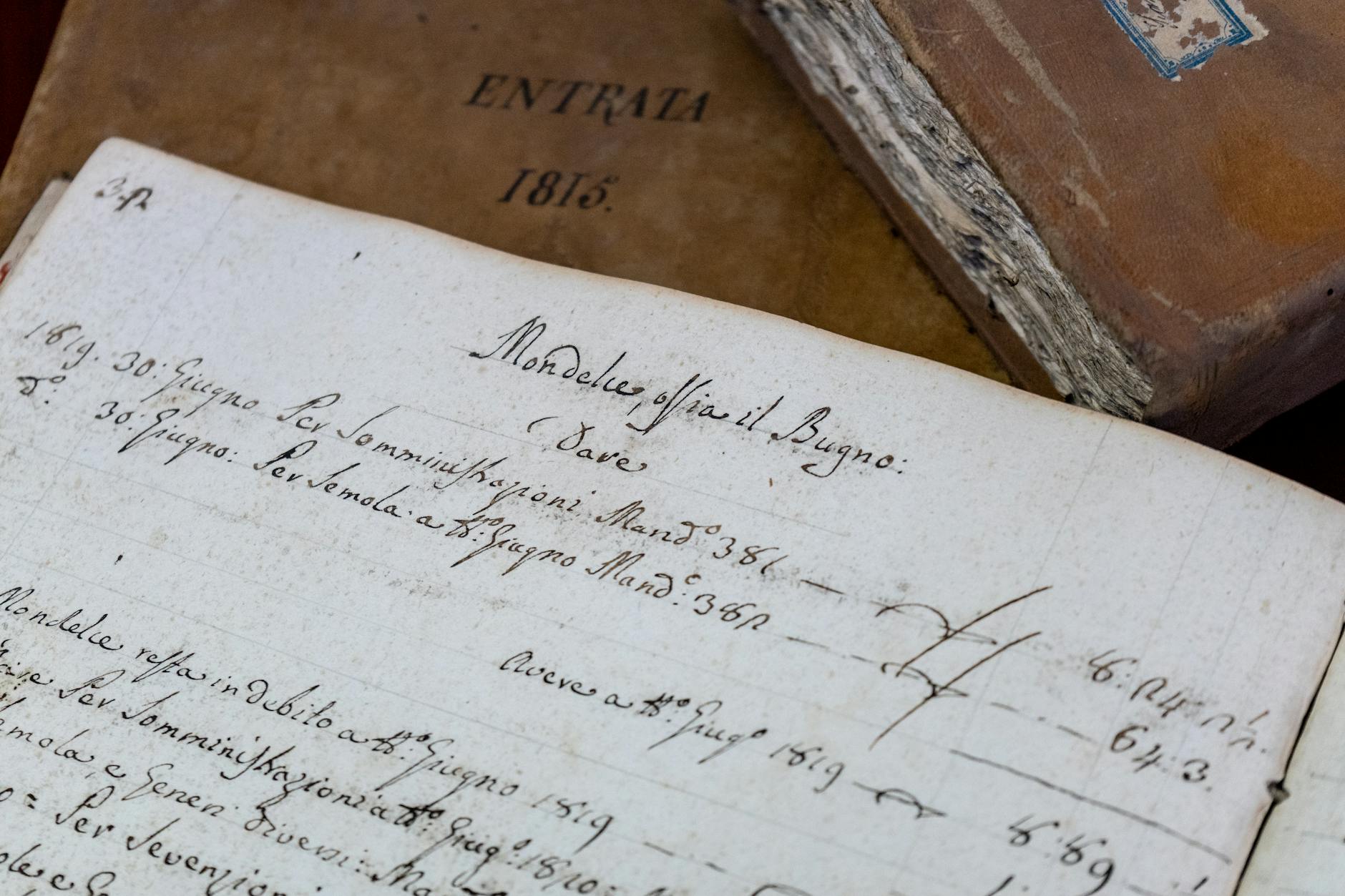
Historical manuscripts are, by definition, unique pieces of history. They represent the written thoughts and ideas of individuals who have played significant roles in shaping the world we live in today. Whether they are annotated first editions, rare drafts, or letters from historical figures, these documents provide a tangible connection to the past. The scarcity of such items ensures that they retain their value over time, as new examples of the same kind rarely come to market.
The Financial and Cultural Value
Investment in historical manuscripts offers a dual benefit: financial appreciation and cultural enrichment. The financial value is driven by the document's rarity, historical importance, condition, and the current market demand. Additionally, these manuscripts hold immense cultural and educational value, contributing to the preservation of history and enriching the cultural landscape. For private collectors and institutional investors, the acquisition of these documents can enhance their reputation and social capital.
Market Dynamics and Valuation
The market for historical manuscripts is influenced by several factors, including historical events, changes in ownership, and shifts in cultural interests. The valuation of these documents often requires the expertise of historians, curators, and appraisers to authenticate and assess their significance. Auction houses and private dealers play a crucial role in determining the market value, with prices often exceeding expectations due to competitive bidding from collectors.
Risk Considerations and Due Diligence
Despite their potential for high returns, investing in historical manuscripts carries inherent risks. These include the authenticity of the document, its condition, and the potential for regulatory scrutiny. Investors should engage in thorough due diligence, including working with trusted dealers and experts to verify the provenance and authenticity of the manuscript. Legal and ethical considerations, such as the potential for ownership disputes and the protection of cultural heritage, must also be carefully considered.
Integration into a Diversified Portfolio
Historical manuscripts should be seen as a complementary asset to a diversified luxury investment portfolio. They offer a hedge against inflation, provide a unique investment opportunity, and contribute to cultural and intellectual enrichment. By allocating a portion of their assets to historical manuscripts, investors can diversify their holdings and potentially achieve a more balanced risk profile.
Conclusion
Investment in historical manuscripts presents an intriguing opportunity for high-net-worth individuals and family offices seeking a unique blend of financial, cultural, and historical value. As with any luxury asset, understanding the market dynamics, conducting thorough research, and engaging with reputable experts are key to successful investment in this sector. For those who appreciate the irreplaceable nature of history, the allure of owning a piece of the past is a compelling investment proposition.