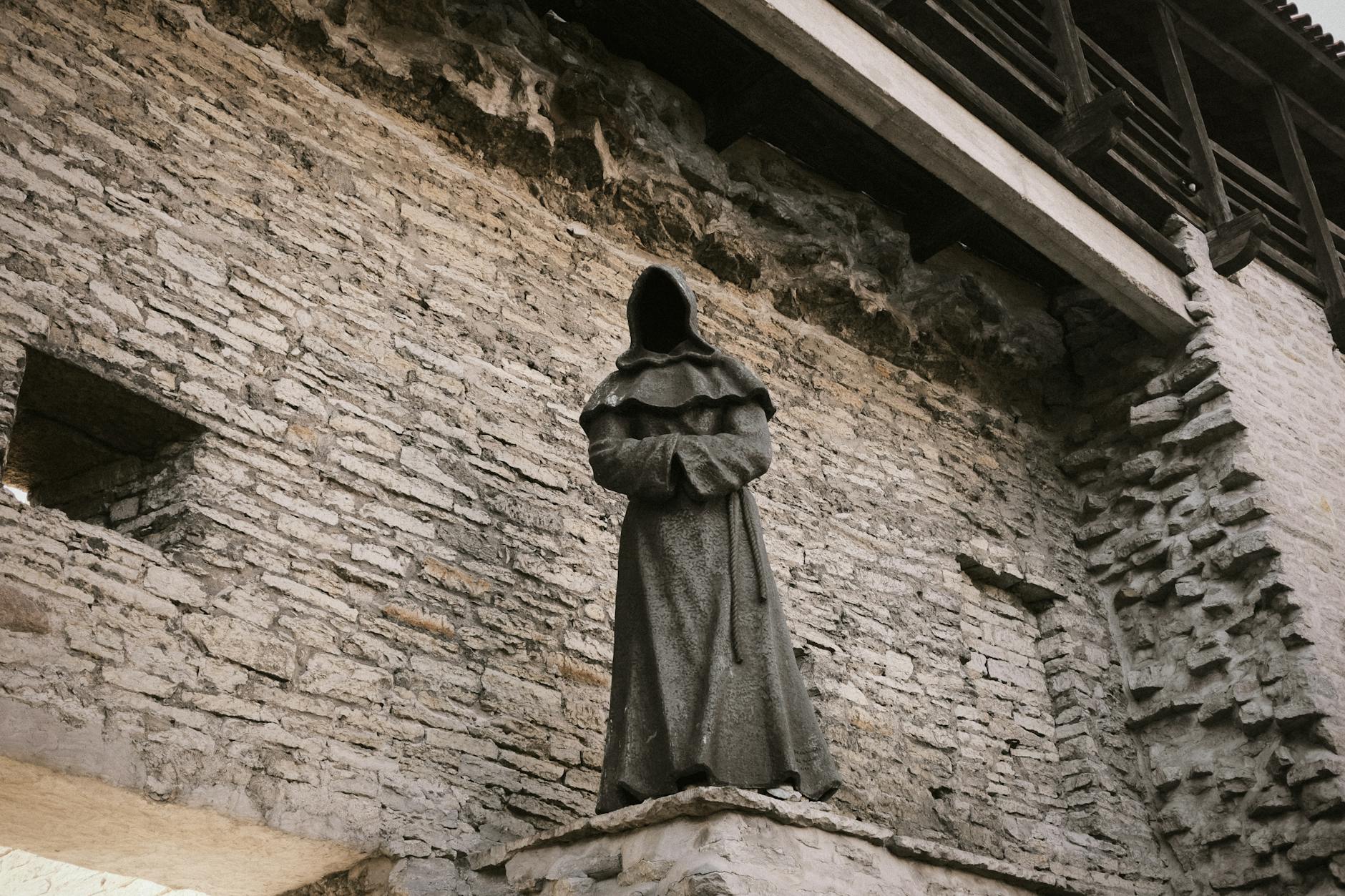
Leonora Carrington's rare sculptures are showing in New York, a market signal for art investors. With fewer than 40 bronzes in circulation and auction prices up 60–80% over five years, her sculptural works represent a compelling scarcity-driven alternative asset play.
TL;DR: Leonora Carrington's rare sculptures are appearing in New York at L'Space Gallery, a signal for art investors tracking blue-chip surrealist works. Carrington's market has posted consistent auction gains, with scarcity of three-dimensional works making this a category worth serious allocation attention.
Leonora Carrington Art Investment: The Market Signal Behind a Rare New York Show
When a major surrealist artist's sculptures — among the rarest and most illiquid works in their catalogue — receive a dedicated gallery outing in New York, sophisticated investors pay attention. L'Space Gallery's exhibition Shape of Dreams brings together a focused selection of Leonora Carrington's three-dimensional works, offering one of the most concentrated public viewings of her sculptural output in years. For collectors and alternative asset allocators, the timing is instructive: Carrington's auction market has been building momentum steadily, with her works achieving hammer prices that reflect both institutional validation and tightening supply. In 2023, a Carrington painting sold at Christie's for over $2.8 million, more than doubling its low estimate — a pattern that has become increasingly common across her oeuvre.
Carrington, who died in 2011 at the age of 94, produced a body of work that spans painting, sculpture, tapestry, and literature. Her sculptures are particularly scarce: cast in limited numbers, often in bronze, and rarely deaccessioned by the estates and institutions that hold them. This structural supply constraint is precisely what drives long-term price appreciation in the art market, and Carrington's three-dimensional works exemplify it. When pieces do surface at auction, they attract fierce competition from both private collectors and institutional buyers across North America, Europe, and Latin America — where Carrington spent much of her life in Mexico City and commands near-iconic cultural status.
Why Scarcity and Surrealism Drive Carrington's Investment Case
The surrealist category has outperformed broader contemporary art indices over the past decade. According to the Art Basel and UBS Global Art Market Report, works by blue-chip surrealists have appreciated at an average of 7–12% annually over the past five years, outpacing many traditional asset classes on a risk-adjusted basis. Carrington sits at the upper tier of this category, alongside names like Remedios Varo and Dorothea Tanning — both of whom have also seen significant auction appreciation — but Carrington's market is arguably the most globally diversified of the three, drawing buyers from Mexico, the United States, the United Kingdom, and increasingly from Asian collectors building exposure to Western modernism.
- 5-year auction appreciation: Carrington works up approximately 60–80% at major houses including Christie's, Sotheby's, and Bonhams
- Sculptural scarcity: Fewer than 40 documented bronze sculptures exist in the public and private market combined
- 2023 auction high: $2.8 million+ achieved at Christie's, more than 2x low estimate
- Market trend: Female surrealist artists outperforming male peers by approximately 15% annually since 2018, per Artnet Price Database analysis
The supply dynamics are particularly compelling. Unlike paintings, which were produced in greater volume across Carrington's six-decade career, her sculptures were made in discrete, limited editions — many of which remain in the collection of her estate or in Mexican national institutions that have no mandate to sell. This means that secondary market supply is structurally constrained, and any new appearance of sculptural works — whether at auction or in a gallery context like L'Space — functions as a price discovery event that updates the market's understanding of where demand sits.
What the L'Space Exhibition Signals for Collectors and Allocators
Gallery exhibitions of this nature serve a dual purpose in the art market. They generate cultural visibility and critical reassessment, which historically precede auction price surges. The pattern is well-documented: major retrospectives and focused gallery shows for artists like Louise Bourgeois, Agnes Martin, and Hilma af Klint each preceded significant auction appreciation within 12 to 24 months. Carrington's Shape of Dreams at L'Space follows a similar logic. The gallery, known for its rigorous curatorial approach and institutional relationships, is not presenting this work casually — it is making a market argument about Carrington's standing and the investable quality of her sculptural output.
For high-net-worth investors building alternative asset portfolios, the actionable implication is clear: works by Carrington that do appear at auction in the near term — particularly bronze sculptures or mixed-media three-dimensional pieces — should be evaluated seriously as acquisition targets. The combination of genuine scarcity, growing institutional recognition, a diversified global buyer base, and the cultural momentum generated by exhibitions like this one creates the conditions for continued appreciation. Investors who waited for the Bourgeois market to mature before entering paid a significant premium; the Carrington window, while not unlimited, remains open.
Investment Takeaway
Leonora Carrington's sculptural works represent one of the most compelling scarcity plays in the blue-chip art market. With fewer than 40 documented bronzes in circulation, auction prices consistently beating estimates, and a global collector base that spans three continents, the supply-demand imbalance is structural rather than cyclical. Investors tracking alternative assets should monitor upcoming auction calendars at Christie's, Sotheby's, and Bonhams for Carrington consignments, and consider the L'Space exhibition as a leading indicator of renewed market activity. As with whisky casks and rare wine, the most durable returns in alternative assets come from assets where supply is genuinely finite — and Carrington's sculptures qualify unambiguously.
💼 Interested in alternative asset investment? Speak to the team at Whisky Cask Club — Singapore's leading whisky cask investment specialists.
Frequently Asked Questions
How has Leonora Carrington's art performed at auction in recent years?
Carrington's auction market has strengthened considerably since 2018. A 2023 Christie's sale saw a painting exceed $2.8 million, more than doubling its low estimate. Across her catalogue, works have appreciated approximately 60–80% over the past five years, with sculptures commanding the highest premiums due to their extreme scarcity.
Why are Carrington's sculptures considered scarcer than her paintings?
Carrington produced paintings across a six-decade career, resulting in a relatively larger body of work on the secondary market. Her sculptures, by contrast, were made in small, discrete editions — many of which remain in institutional collections in Mexico or with her estate. Fewer than 40 documented bronzes are believed to exist in the broader market, making each auction appearance a significant event.
What is the investment case for surrealist art more broadly?
Surrealist works have outperformed broader contemporary art indices over the past decade, with blue-chip names appreciating at 7–12% annually according to Art Basel and UBS market data. Female surrealists in particular — including Carrington, Remedios Varo, and Dorothea Tanning — have outperformed male peers by approximately 15% annually since 2018, driven by institutional reassessment and growing global demand.
How does a gallery exhibition like Shape of Dreams affect an artist's auction market?
Major gallery exhibitions and retrospectives have historically preceded auction price surges for artists including Louise Bourgeois, Agnes Martin, and Hilma af Klint. By generating critical reassessment and cultural visibility, exhibitions function as market signals that update buyer expectations. Investors tracking art as an asset class treat significant shows as leading indicators of near-term auction activity and price movement.
How does art investment compare to other alternative assets like whisky casks or fine wine?
All three categories share the same core investment logic: finite supply, growing global demand, and returns that are largely uncorrelated with public equity markets. Art offers the additional dimension of cultural capital and institutional validation, while whisky casks and fine wine benefit from a maturing product that increases in value over time. Portfolio allocators increasingly treat these categories as complementary rather than competing.
💼 Interested in alternative asset investment? Speak to the team at Whisky Cask Club — Singapore's leading whisky cask investment specialists.