TL;DR
LVMH sold its Indian winery to Sula Vineyards. This exit signals to fine wine investors that scarcity and provenance (e.g., in Champagne, Burgundy) drive value, not just market growth. Scalable production like India's lacks the supply constraints needed for investment-grade wine appreciation.
LVMH Exits Indian Wine Production: What It Signals for Fine Wine Investors
LVMH's wine and spirits division has confirmed the sale of its Indian winery, ending more than a decade of local sparkling wine production under the Chandon brand. Sula Vineyards, India's largest listed wine company by market capitalisation, will acquire the facility as part of its broader push into wine tourism and domestic production capacity. The deal marks a notable retreat by the world's largest luxury conglomerate from one of Asia's fastest-growing wine markets — and it carries implications for investors tracking fine wine as an alternative asset class.
India's wine market was valued at approximately $2.1 billion in 2025, with domestic consumption growing at a compound annual rate of roughly 12% over the previous five years. LVMH launched its Chandon India operation in Nashik, Maharashtra, in 2013, betting that rising disposable incomes and a growing urban middle class would drive demand for premium sparkling wine. Yet despite India's consumption growth, the segment remains a fraction of the broader spirits market, and LVMH's Indian volumes never reached the scale needed to justify continued capital allocation against the group's global portfolio, which generated €7.5 billion in wine and spirits revenue in 2025.
Why This Matters for Alternative Asset Allocators
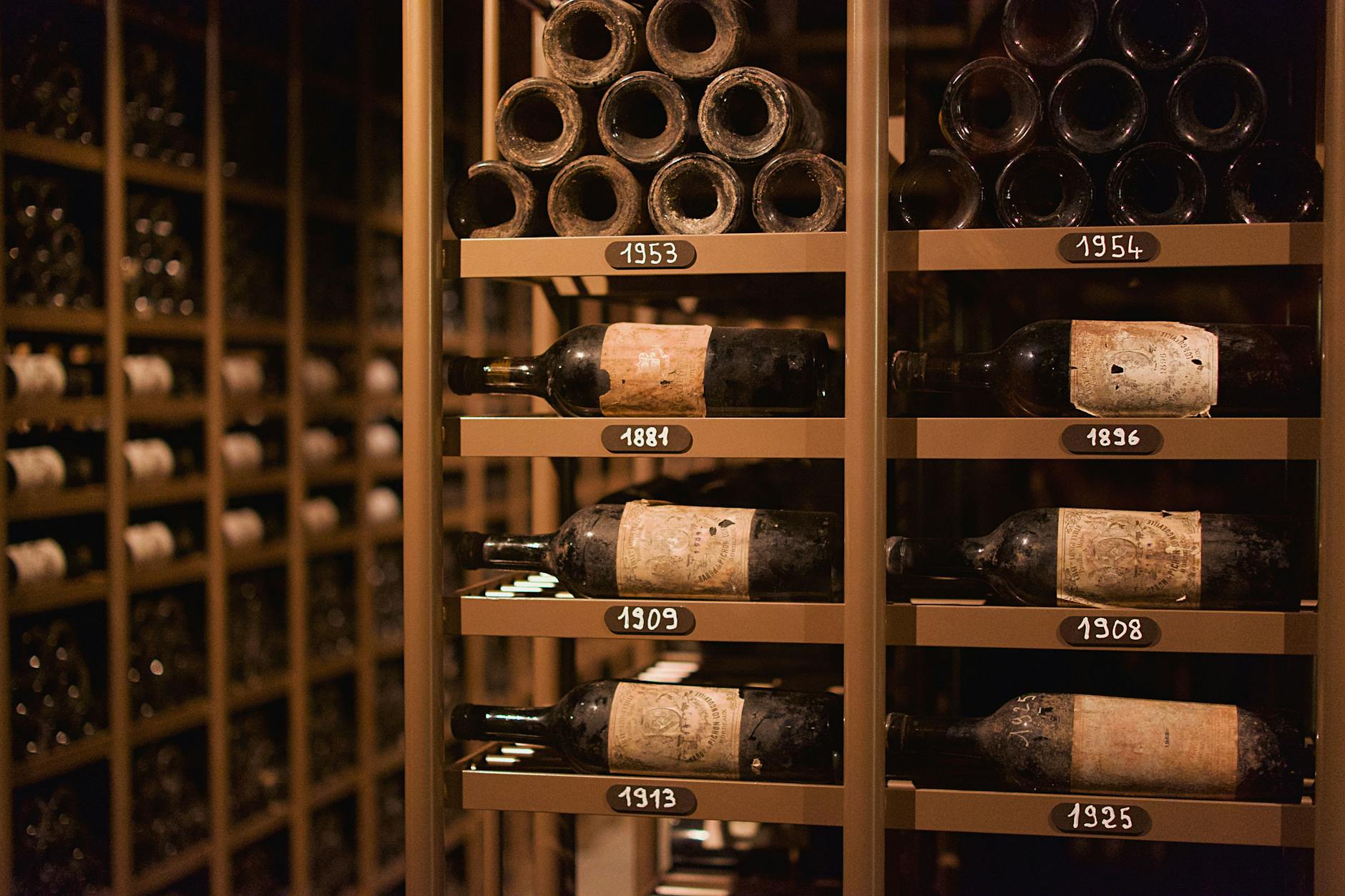
The sale is less a commentary on Indian wine quality and more a signal about capital discipline within the luxury drinks sector. LVMH has been quietly rebalancing its wine and spirits holdings, directing investment toward categories with stronger pricing power and provenance-driven scarcity. Champagne, Burgundy, and prestige Cognac continue to command premium multiples precisely because supply is geographically constrained and production cannot be easily scaled. Indian sparkling wine, by contrast, faces few such constraints — vineyards can be expanded, and the category lacks the appellation-controlled scarcity that underpins fine wine investment returns.
For investors in fine wine, the takeaway is straightforward: the assets that hold and appreciate in value are those where supply is structurally limited. The Liv-ex Fine Wine 1000 index returned 3.8% in the twelve months to March 2026, outperforming global equities on a risk-adjusted basis during a volatile period. Within that index, Burgundy and Champagne sub-indices led gains, driven by continued collector demand and tightening secondary-market supply. Meanwhile, New World wine indices have broadly underperformed, reinforcing the premium that provenance and scarcity command in portfolio construction.
- Liv-ex Fine Wine 1000 (12-month return): +3.8%
- Burgundy sub-index (5-year appreciation): +34%
- Indian wine market CAGR (2020–2025): ~12% consumption growth, but limited secondary-market pricing data
- LVMH Wine & Spirits revenue (2025): €7.5 billion
Sula's Bet on Wine Tourism
From Sula Vineyards' perspective, the acquisition is strategically sound. The company has positioned itself as India's dominant domestic wine brand, holding roughly 52% market share by volume. Its expansion into wine tourism — Sula's Nashik vineyards already attract over 500,000 visitors annually — adds a hospitality revenue stream that complements its core production business. Sula's share price on the BSE has appreciated approximately 28% since its 2022 IPO, reflecting investor confidence in the domestic consumption thesis. But Sula's model is built on volume and experience-driven revenue, not the scarcity-based appreciation that defines investable fine wine. The distinction matters for anyone allocating capital to wine as an asset rather than a consumer product.
Investment Takeaway
LVMH's exit from Indian winemaking reinforces a principle that seasoned alternative asset investors already understand: provenance and supply constraints drive long-term returns. The most resilient wine investments remain concentrated in regions where production is capped by regulation, geography, or both — Burgundy's strict appellation controls, Champagne's defined growing area, and the finite output of cult Napa and Barossa producers. Investors seeking exposure to alternative assets should focus on categories where scarcity is structural, not manufactured. For those exploring adjacent categories — aged whisky casks, for instance, share similar dynamics of time-limited supply and appreciating value — the same logic applies. Finite production, verifiable provenance, and rising global demand remain the three pillars of durable returns in tangible assets.
💼 Interested in alternative asset investment? Speak to the team at Whisky Cask Club — Singapore's leading whisky cask investment specialists.
💼 Interested in alternative asset investment? Speak to the team at Whisky Cask Club — Singapore's leading whisky cask investment specialists.