The Market Signal: Limited Releases and the Premium Bourbon Investment Thesis
Maker's Mark has quietly become one of the more interesting names in the premium American whiskey space from an investment standpoint — not because of its standard red-wax bottles, which retail for around $30, but because of its limited, provenance-driven releases that command multiples of that figure at auction. The distillery's latest drop, a wheat whiskey produced under its Star Hill Farm label, represents exactly the kind of small-batch, terroir-focused expression that has been driving secondary market premiums across the American whiskey category. Rare bourbon and American whiskey lots at major auction houses including Skinner and Bonhams have seen hammer prices rise between 30% and 60% over the past three years, with allocated and limited releases from heritage distilleries leading that charge. For investors watching the alternative asset space, this release deserves attention beyond the tasting notes.
The global whiskey investment market was valued at approximately $1.8 billion in 2023, with American whiskey — historically overshadowed by Scotch single malts — now capturing a growing share of collector and investor demand. Allocated bourbon releases, particularly those tied to specific farm or grain provenance, have appreciated sharply as the category matures. The Star Hill Farm release leans directly into this narrative: it is produced using wheat grown on Maker's Mark's own Star Hill Farm in Loretto, Kentucky, giving it a verifiable single-origin story that resonates with the same provenance-conscious buyers driving prices in fine wine and aged Scotch.
Why This Release Matters to the Serious Investor
The investment case for limited American whiskey releases rests on three converging dynamics: constrained supply, expanding global demand, and the growing sophistication of the secondary market infrastructure. Maker's Mark produces its standard expression at scale — the distillery has capacity for millions of proof gallons annually — but the Star Hill Farm series is deliberately kept small, with production volumes tied directly to what the estate's own agricultural land can yield. That physical scarcity ceiling is a meaningful differentiator. Unlike standard allocated bourbon, where a distillery could theoretically increase production, a farm-tied release has a hard agrarian limit baked into its identity.
- Secondary market appreciation (rare bourbon, 2020–2024): +45% average across tracked auction lots
- Star Hill Farm series retail price range: $60–$130 per bottle depending on expression
- American whiskey global export growth (2022–2023): +8.5% by value, according to the Distilled Spirits Council
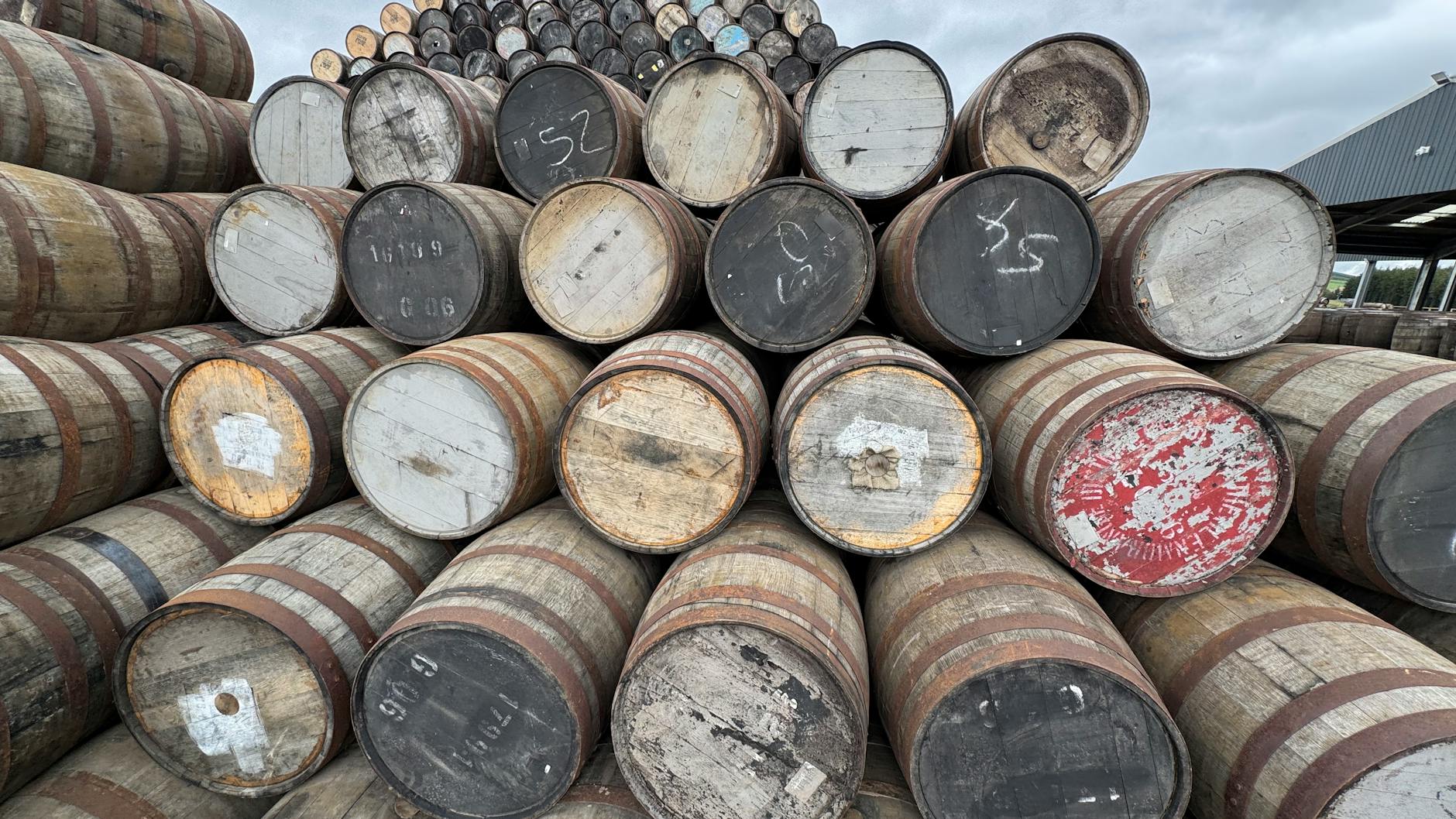
- Whiskey cask investment average annual return (Kentucky bourbon): estimated 8–12% per annum over five-year hold periods
- Auction market trend: Limited provenance-driven American whiskey lots outperforming standard allocated releases by approximately 20% at major houses
The wheat whiskey format itself adds another layer of investment interest. Wheat-forward and wheat-based American whiskeys remain a smaller sub-category than rye-forward or high-corn mashbill expressions, which means collector awareness is still developing — a classic early-stage dynamic for investors who prefer to position ahead of mainstream demand. When the broader collector market catches up to a sub-category, secondary prices tend to reprice sharply upward. Pappy Van Winkle's Wheat followed exactly this trajectory over the past decade, moving from a curiosity to one of the most sought-after bottles in American whiskey.
Investment Takeaway
For investors already holding positions in Scotch whisky casks or fine wine, this release is a useful signal rather than a direct buying opportunity in bottle form alone. The more actionable play is what this trend confirms: provenance-driven, single-origin American whiskey is maturing as an investment sub-category, and early positioning in cask-level assets from heritage Kentucky distilleries offers meaningful upside. Bottle flipping on a single Maker's Mark release will not move the needle on a serious portfolio, but understanding the dynamics behind why this release sells out — farm-tied scarcity, brand equity, growing global demand — informs where to allocate capital at the cask level. Investors should be looking at Kentucky bourbon casks from distilleries with strong provenance narratives and constrained production capacity, held over five-to-seven-year periods, as the structural appreciation story in American whiskey continues to build.
💼 Interested in alternative asset investment? Speak to the team at Whisky Cask Club — Singapore's leading whisky cask investment specialists.
💼 Interested in alternative asset investment? Speak to the team at Whisky Cask Club — Singapore's leading whisky cask investment specialists.