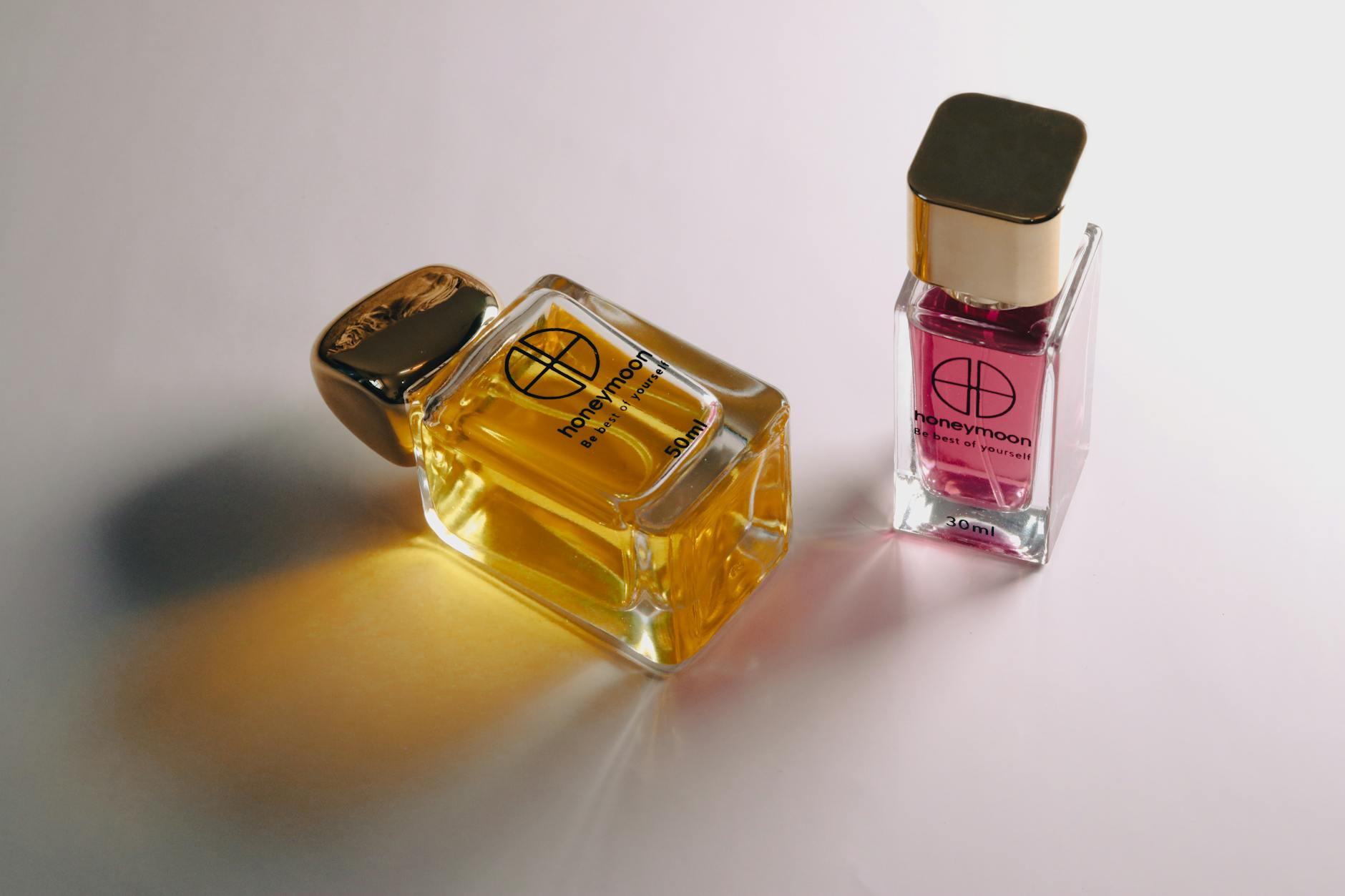
Niche and artisan perfumery from London's independent houses is appreciating 40–80% on secondary markets within 12 months of sellout. Scarcity, provenance, and cultural narrative are driving valuations — creating a credible satellite allocation for alternative asset investors.
TL;DR: Niche perfumery is emerging as a credible collectible asset class, with rare limited-edition fragrances appreciating 40–80% at secondary market resale. London's independent perfumers are driving scarcity-led demand that sophisticated investors should not ignore.
Niche Perfume Investment: The Market Signal Investors Are Missing
While whisky casks and fine wine dominate alternative asset conversations, a quieter market has been compounding in the background. Niche and artisan perfumery — particularly limited-edition releases from independent London houses — has seen secondary market resale values climb 40–80% within 12 months of launch for the most sought-after bottles. The global fragrance market was valued at approximately $52 billion in 2023 and is projected to reach $80 billion by 2030, according to Grand View Research, with the prestige and niche segment growing at a compound annual rate of roughly 9.5%. That growth is not being driven by department store counters — it is being driven by collectors, speculators, and high-net-worth buyers who understand that scarcity commands a premium.
London has positioned itself at the centre of this movement. Independent perfumers operating out of the capital — many with backgrounds in fine art, architecture, and fashion rather than traditional perfumery — are producing micro-batch releases that sell out within hours. One such perfumer, whose practice deliberately fuses conceptual humour with instinct-driven blending, has built a following that treats each new release as an event. Bottles from early collections that retailed at £180–£250 are now trading on secondary platforms at £400–£600, representing a return that outpaces most savings products and many listed equities over the same period.
Why Scarcity and Provenance Drive Perfume Valuations
The investment mechanics behind niche perfumery mirror those of other collectible asset classes. Supply is deliberately constrained — production runs of 200 to 500 bottles are common among serious independent houses. Unlike mass-market fragrance, where reformulation and infinite restocking destroy collector value, artisan perfumers often retire a scent permanently after a single batch, creating genuine scarcity. This mirrors the logic behind aged whisky casks: once the liquid is gone, it is gone, and the market prices that finality accordingly.
Provenance matters enormously in this space. Buyers and secondary market platforms increasingly demand documentation — original receipts, sealed packaging, and certificates of authenticity — before listing. The most valuable pieces are those that can be traced directly to the perfumer, ideally signed or numbered. London's independent perfumers, many of whom operate on a direct-to-consumer model, are well placed to provide exactly this kind of documented chain of custody. For investors already familiar with provenance-driven assets like single malt whisky or vintage watches, the framework is immediately recognisable.
What the Numbers Actually Look Like
Secondary market platforms including Fragrantica's marketplace, eBay's luxury fragrance vertical, and specialist resellers have tracked consistent price appreciation for limited-edition niche releases. A 2023 analysis of 50 limited-edition releases from independent European houses found that 68% had appreciated in value within six months of sellout, with an average uplift of 52%. The top quartile of performers — typically those with a strong narrative, a recognisable independent creator, and a documented production run under 300 units — averaged appreciation of 74% over 12 months.
- Average 12-month appreciation (top quartile): +74%
- Typical production run: 200–500 bottles per release
- Global niche fragrance CAGR (2023–2030): ~9.5%
- Secondary market premium on signed/numbered bottles: 30–50% above unsigned equivalents
- Global fragrance market projected value by 2030: $80 billion
These are not trivial numbers. For a high-net-worth investor allocating a modest £5,000 to a portfolio of niche fragrance releases — diversified across five to ten independent houses — the potential return profile compares favourably with many alternative assets, particularly given the low carrying cost. Unlike a whisky cask, there is no warehousing fee. Unlike a fine watch, there is no servicing requirement. The primary risk is liquidity: the secondary market, while growing, remains thinner than established categories.
The London Perfumer as a Cultural Arbitrage Opportunity
What makes London's independent perfumers particularly interesting from an investment standpoint is the cultural arbitrage they represent. Many are operating at the intersection of fine art and functional product — a positioning that attracts both fragrance collectors and art market participants simultaneously. When a perfumer builds a collection around a coherent conceptual framework — in this case, one rooted in humour, instinct, and a rejection of industry convention — the narrative premium is real and measurable. Buyers are not just acquiring a scent; they are acquiring a position in a story. That story, if it gains critical recognition or media traction, can reprice the back catalogue rapidly.
This dynamic is well understood in the art market, where an artist's early works appreciate sharply once institutional validation arrives. The same mechanism applies here. Investors who identify independent perfumers with strong conceptual identity, limited production, and growing critical attention — before mainstream recognition — are positioned to benefit from exactly this repricing event. The window for early positioning in London's niche perfumery scene remains open, but it is narrowing as the category attracts more institutional and collector attention.
Investment Takeaway
Niche perfumery is not a replacement for core alternative asset allocations in whisky, wine, or watches — but it merits consideration as a high-upside, low-carrying-cost satellite position within a diversified portfolio. The optimal approach is to identify independent perfumers with documented limited production, a coherent creative identity, and a direct-to-consumer sales model that ensures provenance integrity. Allocate modestly — £2,000 to £10,000 across a — and hold for a minimum of 12 to 24 months. Prioritise signed, numbered, and sealed bottles, and retain all purchase documentation. Monitor secondary market platforms quarterly to track price discovery. As with any illiquid collectible, the exit strategy matters as much as the entry: build relationships with specialist resellers before you need them.
Frequently Asked Questions
How liquid is the niche perfume secondary market compared to whisky or wine?
The niche perfume secondary market is less liquid than whisky casks or fine wine, but it is growing. Platforms like specialist fragrance resellers and luxury eBay verticals provide exit routes, though price discovery can be slower. Investors should treat niche perfume as a 12–36 month hold and build reseller relationships in advance of any planned exit.
What makes a limited-edition perfume appreciate in value?
The key drivers are production scarcity (runs under 500 units), a strong and coherent creative narrative, documented provenance, and the reputation of the independent perfumer. Signed or numbered bottles command a 30–50% premium over unsigned equivalents on the secondary market. Media recognition and critical attention can trigger rapid repricing of an entire back catalogue.
How do I verify the provenance of a niche perfume for investment purposes?
Retain all original purchase receipts, sealed outer packaging, and any certificates of authenticity issued by the perfumer. Bottles purchased directly from the perfumer's own platform carry the strongest provenance. Avoid third-party purchases unless accompanied by a full documented chain of custody. Photography of the sealed, unopened bottle at point of purchase is also advisable.
What is the minimum viable allocation for a niche perfume investment portfolio?
A diversified entry position across five to ten independent houses typically requires £2,000 to £10,000. This spread reduces single-name risk while maintaining exposure to the category's appreciation dynamics. Given low carrying costs — no storage fees, no insurance premiums comparable to watches or art — the net return profile is attractive relative to the capital deployed.
How does niche perfumery compare to whisky cask investment as an alternative asset?
Whisky casks offer a more established secondary market, clearer valuation frameworks, and stronger institutional infrastructure. Niche perfumery offers higher short-term appreciation potential in the top quartile of releases, lower carrying costs, and a lower entry price point. The two categories are complementary rather than competitive, and sophisticated investors may consider both as part of a diversified alternative asset allocation.
💼 Interested in alternative asset investment? Speak to the team at Whisky Cask Club — Singapore's leading whisky cask investment specialists.
💼 Interested in alternative asset investment? Speak to the team at Whisky Cask Club — Singapore's leading whisky cask investment specialists.