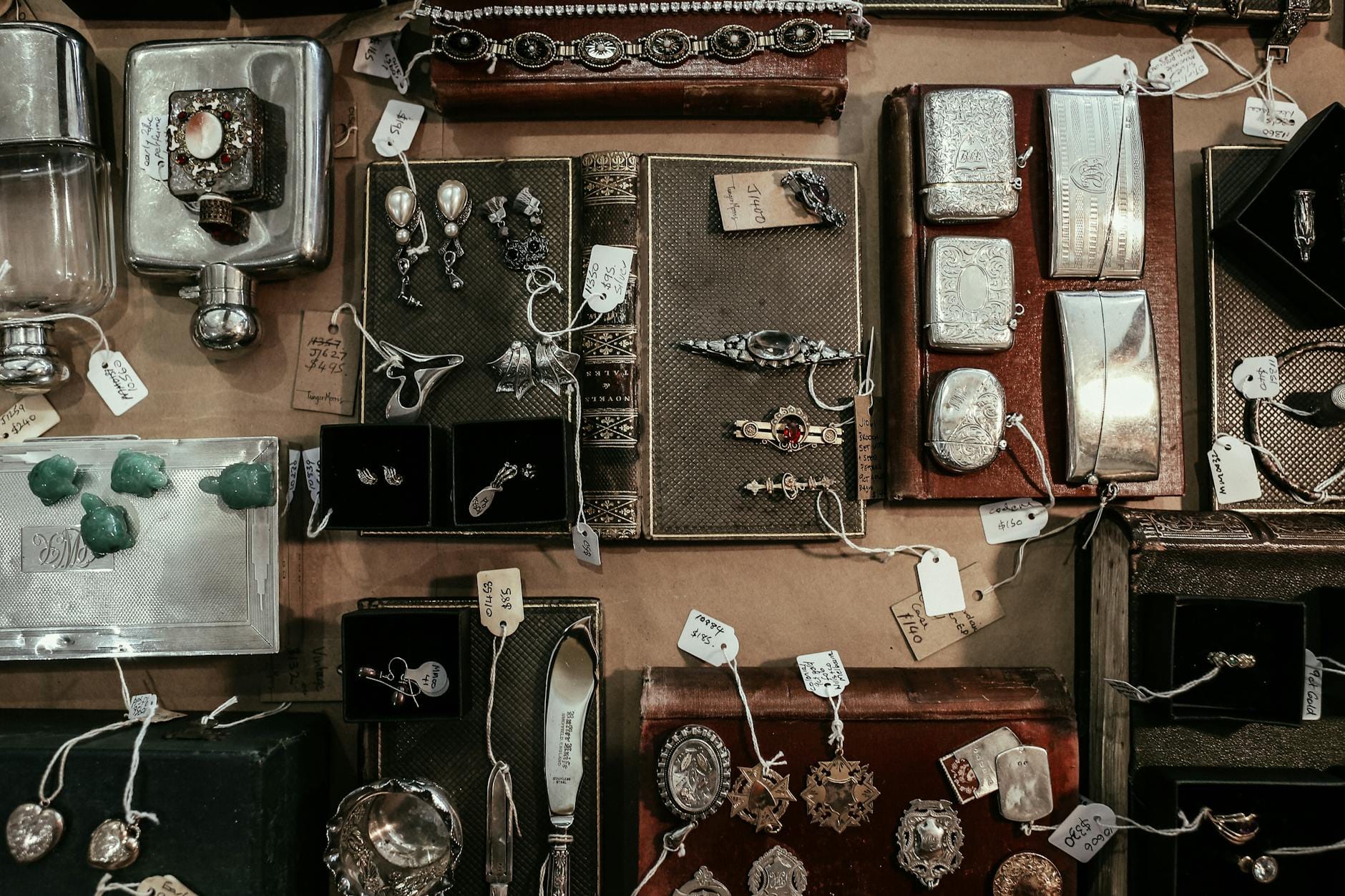
Psychological research shows art choices reveal personality traits like risk tolerance. This insight helps predict demand and trends in the $67 billion art market. Auction houses use behavioral data to target buyers. Scarcity is psychologically constructed, driving price premiums.
Key Takeaways
- The global art market was valued at $67.8 billion in 2022, with post-pandemic demand driving double-digit growth in blue-chip segments.
- Art as an investment asset has returned an average of 7.6% annually over the past 25 years, according to the Mei Moses All Art Index.
- Psychological profiling of collectors is now being used by major auction houses to predict bidding behaviour and target high-value buyers.
- Scarcity and emotional resonance are the twin engines of price appreciation in collectible assets — art included.
- Cross-asset implications are significant: the same psychological drivers that push art prices higher also operate in whisky casks, rare watches, and fine wine.
What Does Psychology Have to Do With Art Investment?
Dr. Samuel Gosling, a psychologist at the University of Texas at Austin, has spent decades studying how the objects people surround themselves with — art included — reveal deep personality structures. His research demonstrates that the art hanging on a person's walls is not arbitrary decoration; it is a window into risk tolerance, openness to experience, and even investment philosophy. For portfolio managers and alternative asset specialists, this is not a soft science curiosity. It is actionable intelligence about where demand is heading and why certain works command premiums that defy conventional valuation logic.
Auction houses including Christie's and Sotheby's have quietly integrated behavioural data into their client acquisition strategies. Christie's reported a 29% increase in first-time buyers in 2021, many of them younger, digitally native collectors whose preferences skew toward contemporary and street art. Understanding the psychological profiles of these emerging buyers — their appetite for novelty, their status signalling motivations, their sensitivity to provenance — is now a core competency for anyone allocating capital to the art market. The numbers follow the psychology, not the other way around.
How Do Psychological Drivers Create Investment-Grade Scarcity?
Scarcity in art is not purely a function of supply. It is a psychological construction reinforced by provenance, narrative, and social proof. When a work carries a compelling story — a turbulent artist biography, a famous previous owner, a contested auction history — its perceived scarcity intensifies, and with it, its price ceiling. The Art Basel and UBS Global Art Market Report 2023 noted that works with strong provenance documentation consistently achieved 15–25% premiums over comparable pieces without documented ownership histories. This is the same dynamic that drives premiums in aged Scotch whisky casks, where distillery reputation and maturation narrative are the primary value levers.
Psychologists studying collector behaviour have identified what they call the endowment effect in high-value art transactions — the tendency for owners to value objects they possess far above market price, which constrains supply and artificially tightens liquidity. For investors, this means that once a significant work enters a private collection, it is unlikely to return to market quickly. Between 2018 and 2022, the average holding period for investment-grade contemporary art increased from 8.2 years to 11.4 years, according to ArtTactic data. Tighter supply over longer cycles is a structural tailwind for price appreciation.
Why Does Collector Psychology Matter for Alternative Asset Allocators?
The psychological principles that govern art collecting — identity expression, status signalling, fear of missing out on culturally significant objects — operate with equal force across all tangible alternative assets. Rare Scotch whisky casks, for instance, have appreciated at an average of 10–12% per annum over the past decade, driven in part by the same emotional and cultural narratives that fuel art demand. The Knight Frank Luxury Investment Index ranked rare whisky as the top-performing luxury investment over a ten-year horizon, with a 373% appreciation recorded between 2012 and 2022. Collectors and investors in this space are motivated by provenance, scarcity, and the psychological satisfaction of owning something irreplaceable — identical motivational architecture to fine art buyers.
For a high-net-worth investor building a diversified alternative asset portfolio, the lesson from behavioural psychology is clear: assets that carry strong narrative identity and genuine supply constraints will consistently outperform those that do not, regardless of the asset class. The investor who understands why people covet certain objects — and can identify those objects before the broader market does — holds a durable informational edge. Psychological research on collector motivation is, in this sense, a form of market intelligence that most allocators are leaving on the table.
Investment Takeaway
The convergence of psychology and alternative asset investment is not a theoretical exercise. It is a practical framework for identifying which assets will sustain demand, resist liquidity pressure, and appreciate over multi-year holding periods. Art with documented provenance, whisky casks from closed or limited distilleries, and rare watches from discontinued references all share the same psychological premium structure: they are irreplaceable, identity-laden, and supply-constrained. Investors who allocate to these categories with an understanding of the behavioural dynamics underpinning demand are better positioned to enter at the right point in the cycle and hold through volatility. The next allocation decision should begin not just with price data, but with a clear-eyed assessment of what makes the underlying asset psychologically compelling — and to whom.
Frequently Asked Questions
How does collector psychology affect art market prices?
Collector psychology drives demand through identity signalling, status competition, and the endowment effect — the tendency to overvalue owned objects. These forces constrain supply as collectors hold works longer, pushing prices upward. Provenance and narrative amplify these effects, with documented works achieving 15–25% premiums at major auction houses.
What returns has art delivered as an investment asset?
The Mei Moses All Art Index recorded average annual returns of approximately 7.6% over 25 years. Contemporary art and works with strong provenance have outperformed this benchmark in recent cycles, particularly post-2020 as new buyer demographics entered the market.
How does art investment compare to whisky cask investment?
Both asset classes share scarcity-driven appreciation dynamics. Rare whisky casks have outperformed art on a ten-year basis, with the Knight Frank Luxury Investment Index recording 373% appreciation between 2012 and 2022. Whisky casks also offer lower entry points and more transparent valuation metrics than blue-chip art.
What is the role of provenance in alternative asset valuation?
Provenance — the documented history of ownership and origin — is a primary value driver across art, whisky, wine, and watches. It reduces authenticity risk, enhances narrative appeal, and creates psychological scarcity. Assets with strong provenance documentation consistently command premiums and attract more competitive bidding at auction.
How should a high-net-worth investor approach alternative asset allocation?
A disciplined approach combines hard market data — auction results, appreciation indices, liquidity windows — with an understanding of the behavioural drivers behind demand. Diversification across art, whisky casks, fine wine, and rare watches provides exposure to different demand cycles while sharing the common structural advantage of genuine supply constraints.
💼 Interested in alternative asset investment? Speak to the team at Whisky Cask Club — Singapore's leading whisky cask investment specialists.
💼 Interested in alternative asset investment? Speak to the team at Whisky Cask Club — Singapore's leading whisky cask investment specialists.