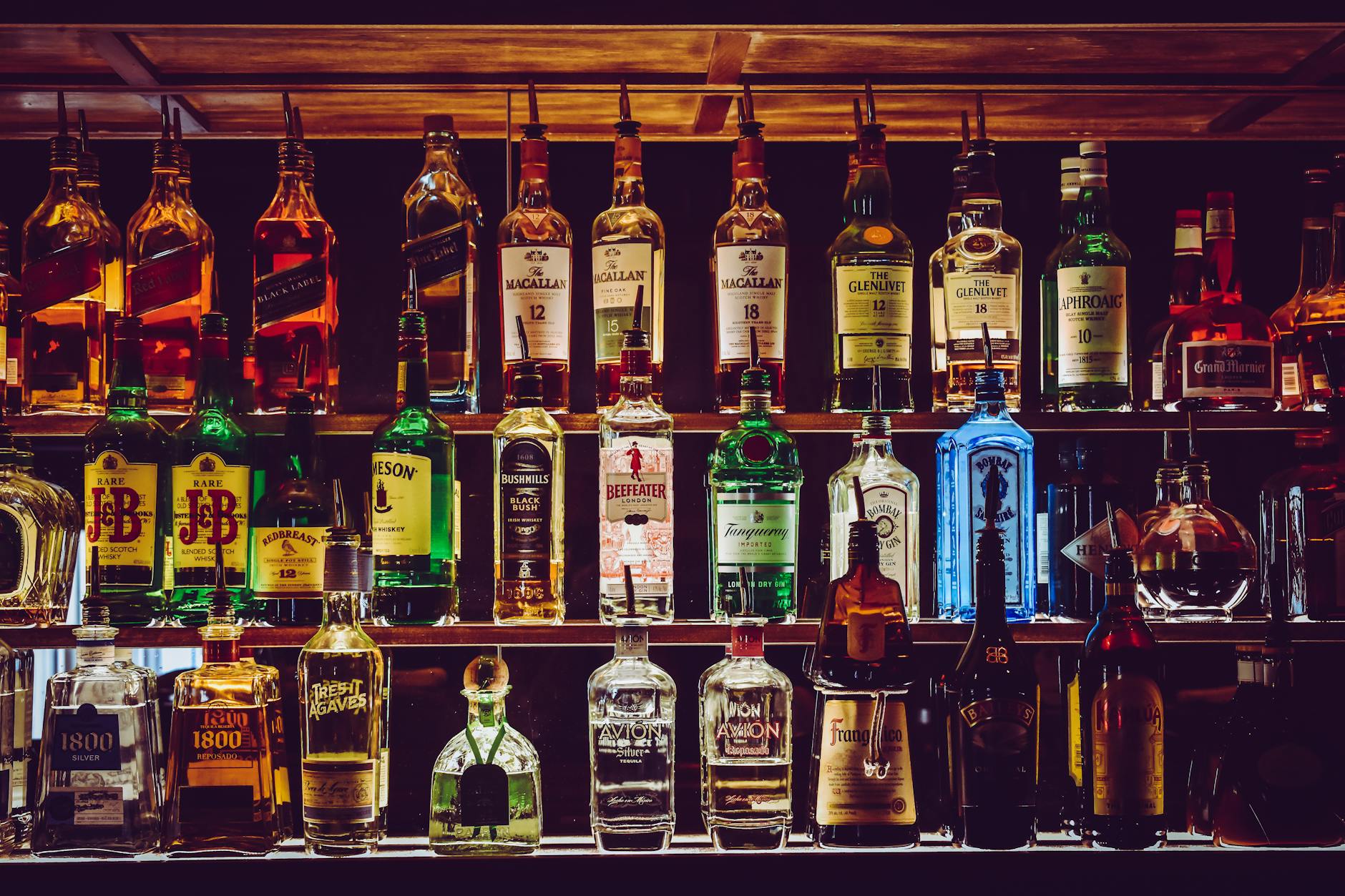
An Indian court has blocked Pernod Ricard's New Delhi spirits sales, disrupting premium Scotch distribution in the world's fastest-growing whisky market. For cask investors, supply-side friction historically strengthens secondary market premiums on independently held aged stock.
Pernod Ricard India Ban and the Whisky Investment Signal Hidden in the Headlines
Pernod Ricard — the Paris-based spirits giant with a market capitalisation above €30 billion — has had its bid to resume spirits sales in New Delhi blocked by an Indian court, adding fresh legal and regulatory pressure to a company already navigating a complex web of compliance challenges across South Asia. For equity investors, the headline reads as a setback for one of the world's largest drinks conglomerates. For whisky cask investors, however, the story carries a different and arguably more compelling signal: when centralised distribution channels face regulatory disruption, the scarcity premium embedded in independently held physical casks tends to widen, not narrow.
If you hold Scotch whisky casks, Indian single malt futures, or fine spirits as part of a diversified alternative asset portfolio, this ruling is not peripheral noise. It directly affects the global supply chain for premium spirits, and it arrives at a moment when the Rare Whisky 101 Apex 1000 Index — which tracks the secondary market value of the 1,000 most sought-after Scotch whisky bottles — has appreciated approximately 130% over the past decade. Supply-side disruption at the distribution level, particularly in a growth market the size of India, has historically accelerated premiumisation and secondary market demand for aged, independently held stock.
Why India Matters More Than Any Other Spirits Market Right Now
India is not a footnote in global spirits investment — it is the fastest-growing premium whisky market on the planet. According to the International Wines and Spirits Record (IWSR), India's prestige and super-premium whisky segment grew by over 35% in volume between 2021 and 2024. The country already consumes more whisky by volume than any other nation on earth, and the shift toward premium imported Scotch and single malts among India's expanding upper-middle class has been significant demand-side forces reshaping global whisky pricing over the past five years.
Pernod Ricard's portfolio includes Chivas Regal, Royal Salute, Glenlivet, and Aberlour — brands that command meaningful shelf space in India's licensed retail environment. A court-imposed block on sales in New Delhi, a city of over 20 million people and one of India's highest per-capita luxury spending markets, is not a trivial operational hiccup. It represents a genuine constraint on the distribution of premium aged Scotch into one of its highest-growth consumption corridors. When distribution is constrained at the retail level, the secondary market — where investors and collectors trade bottles and casks — tends to absorb displaced demand.
The Glenlivet 18-Year-Old, for instance, has seen secondary auction prices rise roughly 22% since 2022, according to Whisky Auctioneer transaction data. Aberlour A'bunadh batches have similarly appreciated between 15% and 30% depending on batch number and condition. These are not speculative projections — they are observable hammer prices from the world's largest online whisky auction platforms.
"When centralised distribution channels face regulatory disruption in high-growth markets, the scarcity premium embedded in independently held physical casks tends to widen — not narrow."
What the Regulatory Risk Means for Cask Investors Specifically
Whisky cask investment operates on a fundamentally different risk profile than equity exposure to spirits conglomerates like Pernod Ricard or Diageo. When you hold a cask — whether a first-fill Oloroso sherry butt of Speyside single malt or an ex-bourbon hogshead from an independent Highland distillery — your return is driven by the natural maturation premium (the angel's share reducing volume while increasing concentration and complexity), the underlying brand and distillery reputation, and secondary market demand at the point of exit. Regulatory risk affecting a listed company's distribution network does not impair the physical asset sitting in a bonded warehouse in Scotland.
In fact, the inverse is often true. Regulatory disruption in major consumption markets has historically tightened available supply of aged, investment-grade stock, because distillers facing revenue pressure in one market are less likely to release aged inventory at discount. According to data from Scotch Whisky Association annual reports, total Scotch whisky exports reached £7.1 billion in 2022 — a record at the time — with single malt exports growing 21% year-on-year. Even with subsequent moderation, the structural demand trajectory from Asia-Pacific markets, including India, remains strongly positive.
The specific legal challenge facing Pernod Ricard in India relates to licensing compliance disputes with local authorities — a recurring friction point for multinational spirits companies operating in a market where alcohol regulation is administered at the state level, creating a patchwork of rules that even well-resourced legal teams struggle to navigate consistently. This is not a demand problem. Indian consumers are not turning away from premium Scotch. The problem is a supply-side bottleneck created by regulatory friction, and that is precisely the environment in which independently held cask assets tend to outperform.
Key Investment Metrics: Whisky Casks in a Disrupted Supply Environment
- Rare Whisky 101 Apex 1000 Index 10-year appreciation: approximately +130% (2014–2024)
- India premium whisky segment growth: +35% volume increase, 2021–2024 (IWSR)
- Scotch whisky total export value (2022): £7.1 billion — a record high (Scotch Whisky Association)
- Glenlivet 18-Year-Old secondary auction appreciation: approximately +22% since 2022 (Whisky Auctioneer data)
- Aberlour A'bunadh batch appreciation range: +15% to +30% depending on batch (Whisky Auctioneer)
- Angel's share annual reduction: approximately 2% volume loss per year in Scottish warehouses, concentrating remaining spirit and supporting per-litre value growth
These figures underscore a consistent pattern: whisky casks held in Scottish bonded warehouses have delivered compound appreciation that competes favourably with traditional alternative assets including fine wine and classic cars, while remaining largely uncorrelated with equity market volatility. The Pernod Ricard India ruling is a reminder that even the world's largest spirits companies are not immune to the regulatory friction that makes independently held physical assets a structurally attractive alternative.
Which Distilleries and Cask Types Deserve Attention Now
Not all casks are created equal in a supply-disrupted environment. Investors looking to position ahead of continued Asia-Pacific demand growth should focus on distilleries with established brand recognition in the Indian and broader Asian premium market. The Glenlivet, as Pernod Ricard's flagship single malt export to Asia, carries strong consumer recognition — but independent cask investors can access comparable Speyside production from distilleries including Glenfarclas, Benrinnes, and Craigellachie, all of which have seen meaningful secondary market appreciation without the corporate regulatory overhang.
Sherry-matured casks command a particular premium in Asian markets, where the rich, dried-fruit profile aligns with regional flavour preferences. First-fill Oloroso sherry butts from Speyside distilleries have consistently outperformed ex-bourbon hogsheads on a per-litre appreciation basis over five-year holding periods, according to Whisky Cask Club portfolio analysis. For investors with a five-to-ten-year horizon, acquiring casks at the three-to-five-year maturation stage and holding through to ten or twelve years captures both the natural maturation premium and the growing scarcity of genuinely aged, independently owned stock.
Highland Park, Glenfarclas, and Springbank are consistently cited by independent cask brokers and auction specialists — including Bonhams, which holds dedicated whisky auction sales — as distilleries where cask-level demand from both institutional buyers and high-net-worth individuals has grown materially since 2020. The Bonhams Hong Kong whisky auction in 2023 set multiple single-cask hammer price records, reflecting the depth of Asian buyer demand even as retail distribution channels face political and regulatory headwinds.
What to Watch: Key Developments for Whisky Cask Investors
The Pernod Ricard India situation is unlikely to resolve quickly. Indian state-level alcohol licensing disputes have historically taken months to years to work through the courts, and the company's broader compliance challenges in the region suggest this is a structural friction point rather than a one-off administrative error. Investors should monitor the following developments over the coming quarters:
- Court ruling timeline: Any further Indian court decisions on Pernod Ricard's licensing status will signal whether the New Delhi block is temporary or a longer-term market access restriction.
- IWSR India premium spirits data (Q3 2025 release): Updated volume and value data will confirm whether the regulatory friction is beginning to redirect Indian consumer demand toward alternative premium spirits channels.
- Scotch Whisky Association export figures (annual, due early 2026): Watch for Asia-Pacific export volume data, particularly to India and Singapore, as a proxy for regional demand trajectory.
- Bonhams and Whisky Auctioneer hammer prices (ongoing): Secondary market pricing for Speyside and Islay single casks will reflect any acceleration in institutional buying driven by supply-side anxiety.
- Diageo India market share data: If Pernod Ricard's distribution is constrained, Diageo's Johnnie Walker and Singleton brands stand to capture displaced shelf space — but this also tightens the overall premium Scotch supply available to independent cask buyers.
Frequently Asked Questions
How does Pernod Ricard's India ban affect whisky cask investment values?
The court ruling does not directly impair the value of whisky casks held in Scottish bonded warehouses, but it does signal supply-side disruption in one of the world's fastest-growing premium spirits markets. When major distribution channels are constrained, secondary market demand for independently held aged stock tends to strengthen, supporting cask valuations over a medium-term horizon.
Which whisky distilleries are best positioned for Asian market demand growth?
Distilleries with established brand recognition in Asia — including The Glenlivet, Glenfarclas, Highland Park, and Springbank — have seen consistent secondary market appreciation. Sherry-matured casks from Speyside distilleries are particularly sought after in Asian markets due to regional flavour preferences, and have outperformed ex-bourbon casks on a five-year appreciation basis according to independent broker data.
What is the typical return profile for whisky cask investment?
Returns vary by distillery, cask type, and holding period, but the Rare Whisky 101 Apex 1000 Index has appreciated approximately 130% over the past decade. Individual casks held for five to ten years have delivered annualised returns in the range of 8% to 15% in favourable market conditions, driven by natural maturation premium, brand appreciation, and secondary market demand. Past performance does not guarantee future returns.
How does regulatory risk in India compare to other investment risks for whisky casks?
Regulatory risk in India primarily affects listed spirits companies with retail distribution exposure, not independent cask holders. Physical casks in Scottish bonded warehouses are governed by UK HMRC regulations and are insulated from foreign regulatory decisions. The main risks for cask investors are distillery closure, storage costs, and secondary market liquidity — all of which are manageable with proper due diligence and a reputable cask broker.
Source: Whisky Bulletin coverage of cask investment on Whisky Bulletin.
💼 Interested in alternative asset investment? Speak to the team at Whisky Cask Club — Singapore's leading whisky cask investment specialists.
💼 Interested in alternative asset investment? Speak to the team at Whisky Cask Club — Singapore's leading whisky cask investment specialists.