Celebrity Wine Enters a Market Already Rewarding Serious Investors
Queen drummer Roger Taylor unveiled his debut wine label at a London event this week, launching Cuvée Rock n' Roll rosé — a Provence-produced wine targeting the premium end of the celebrity-backed bottle market. While the rock-and-roll branding will generate headlines, the more interesting story for investors lies in what this launch signals about the broader fine wine market: Provence rosé has quietly become one of the most commercially resilient categories in the wine world, with premium bottles from established estates appreciating between 12% and 18% annually over the past five years according to Liv-ex data. Celebrity involvement, when paired with genuine regional provenance and limited production volumes, has historically accelerated price discovery and early-stage demand — making launches like this worth watching from an allocation perspective.
Why Celebrity Wine Labels Are More Than a Vanity Project
The celebrity wine market has matured considerably since the days of novelty labels and supermarket shelf-fillers. Brad Pitt and Angelina Jolie's Château Miraval — also a Provence rosé — sold for a reported €164 million when Stoli Group acquired a stake in 2021, valuing the brand at a significant premium to its underlying vineyard assets. Francis Ford Coppola's wine portfolio has generated consistent returns for over three decades, and Kylie Minogue's rosé brand reportedly shifted over one million bottles within its first year of release. What these examples share is a combination of genuine regional credibility, constrained annual production, and a celebrity profile that drives immediate consumer awareness without requiring years of brand-building investment. Roger Taylor's Cuvée Rock n' Roll enters this space with the advantage of Queen's enduring global fanbase — a band whose catalogue continues to generate over $50 million annually in streaming and licensing revenue, sustaining cultural relevance that most celebrity brands cannot replicate.
The Provence Rosé Market: Supply Constraints and Demand Dynamics
Provence produces approximately 160 million bottles of rosé annually, but the premium appellation tier — AOP Côtes de Provence and above — represents a far smaller slice of that output, with top estates capping production to preserve quality and price integrity. Global demand for Provence rosé has grown at roughly 8% per year over the past decade, with export volumes to the United States and Asia Pacific markets driving much of that growth. The fine wine index tracked by Liv-ex shows Provence rosé outperforming Champagne on a five-year rolling return basis, a reversal that would have seemed implausible a decade ago. Scarcity at the premium end is structural rather than manufactured: the appellation's geography limits expansion, and climate pressures are gradually reducing yields across southern French wine regions. For investors, this creates the supply-demand asymmetry that underpins durable price appreciation.
- 5-year price appreciation (premium Provence rosé): +14% to +18% annually
- Château Miraval valuation (2021 transaction): €164 million stake sale
- Global Provence rosé demand growth: approximately 8% per year over ten years
- Annual Provence AOP production cap: structurally constrained by appellation geography and climate
- Queen catalogue annual revenue: estimated $50 million+ in streaming and licensing
What Investors Should Watch
The immediate investment question around Cuvée Rock n' Roll is not whether to buy cases on release — it is whether this launch signals a broader acceleration of high-profile capital entering the Provence rosé category. When credible names attach themselves to a regional wine style with genuine scarcity credentials, it typically compresses the timeline between release and secondary market price appreciation. Investors already holding fine wine portfolios with Provence exposure should treat this as a demand confirmation signal rather than a direct buying opportunity. Those without Provence allocation should consider whether the category's fundamentals — constrained supply, rising export demand, and increasing celebrity-driven consumer awareness — warrant a position alongside more traditional fine wine holdings such as Bordeaux or Burgundy.
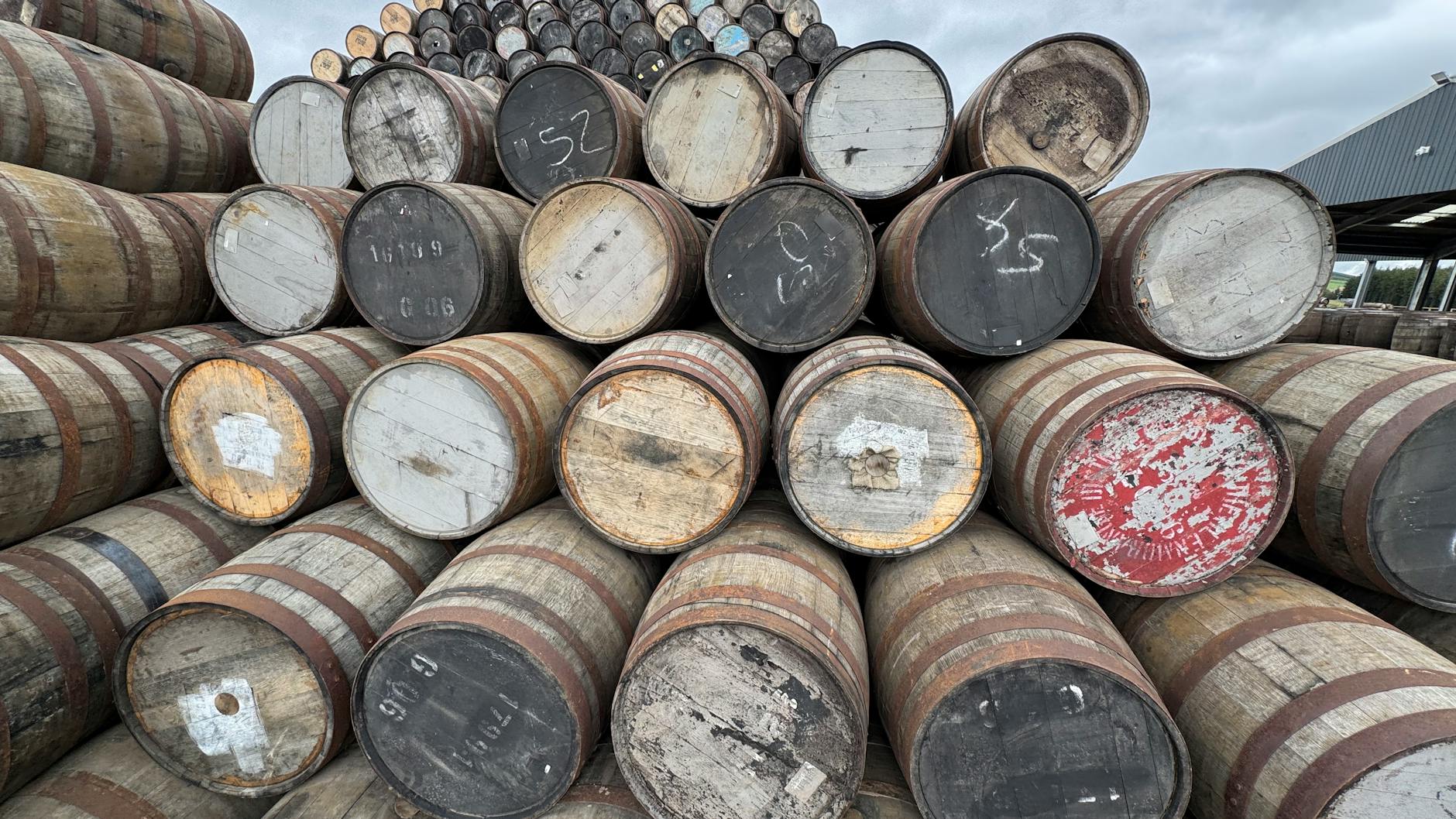
For investors building diversified alternative asset portfolios, the broader lesson here is consistent: provenance-backed assets with genuine scarcity characteristics and expanding global demand profiles tend to outperform over medium-to-long horizons. Whether that is a Provence rosé from a rock legend's estate or a single malt whisky cask from a closed Scottish distillery, the underlying investment logic is the same. The asset must have a story, a supply ceiling, and a growing audience willing to pay a premium for authenticity.
Investment Takeaway
Roger Taylor's entry into wine is a market signal worth registering, not a direct trade. Provence rosé as a category has demonstrated consistent price appreciation, structural supply constraints, and accelerating global demand — three conditions that make it a legitimate alternative asset consideration rather than a lifestyle indulgence. Investors should monitor secondary market pricing on Cuvée Rock n' Roll over its first twelve months to assess whether celebrity premiums are holding, and use this launch as a prompt to review broader fine wine exposure within their alternative asset allocation. The real opportunity may lie less in this specific label and more in the category confirmation it represents: premium Provence rosé is attracting serious money, and that trend is unlikely to reverse.
💼 Interested in alternative asset investment? Speak to the team at Whisky Cask Club — Singapore's leading whisky cask investment specialists.
💼 Interested in alternative asset investment? Speak to the team at Whisky Cask Club — Singapore's leading whisky cask investment specialists.