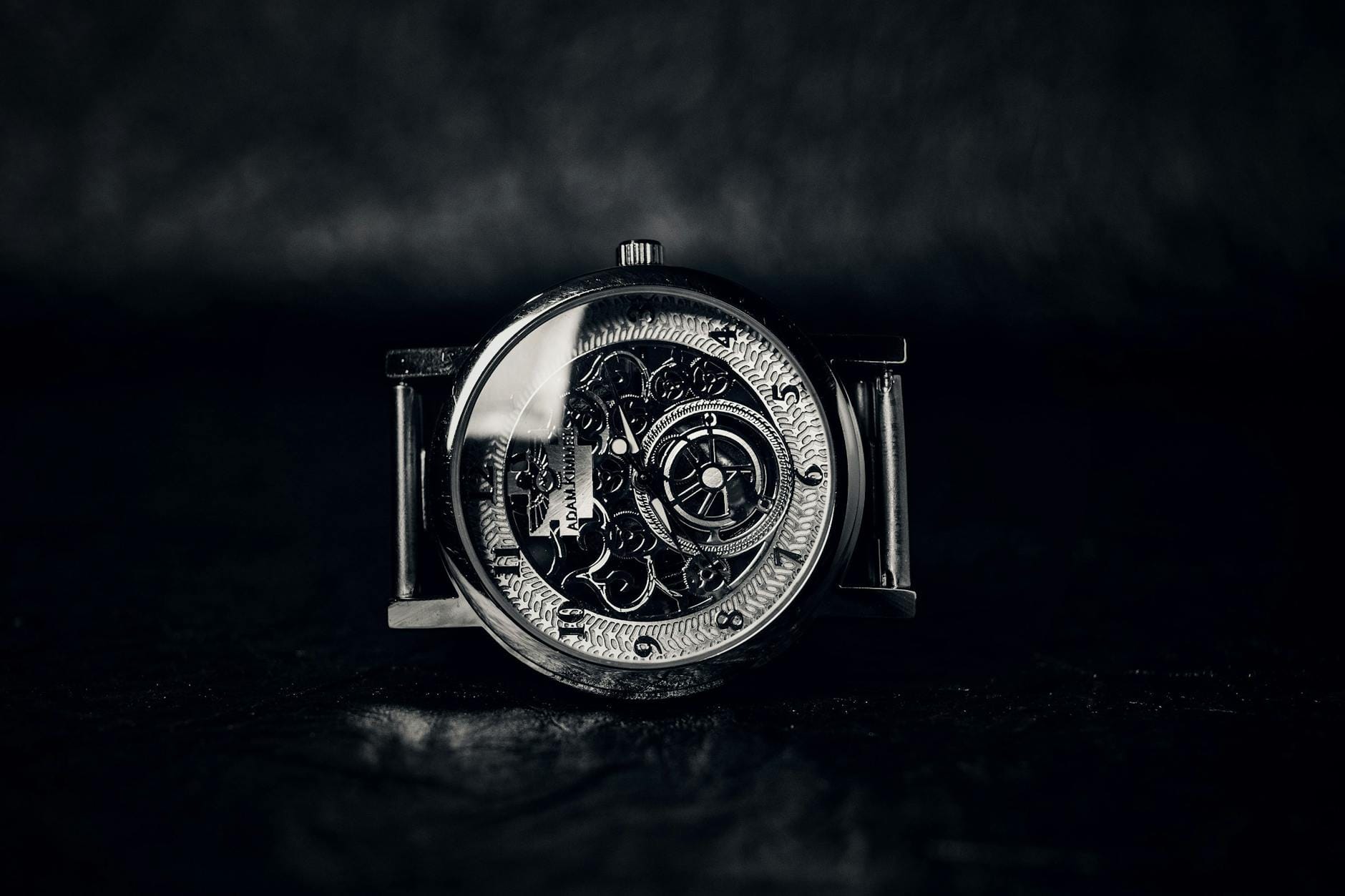
Geneva Watch Week 2026 showcased independent watches from Rexhepi, De Bethune, Laurent Ferrier, and others — all with production under 200 pieces annually. Auction data shows 34–160% premiums over estimates, making this a compelling alternative asset allocation.
Indie Watches as Investments: What Geneva Watch Week 2026 Signals for the Market
Independent watchmaking has quietly become one of the most compelling segments in the alternative asset space. While blue-chip brands like Rolex and Patek Philippe dominate headlines, a growing body of auction data confirms that select indie watch references are outpacing mainstream luxury timepieces on a returns basis. At Geneva Watch Week 2026, the world's most influential independent ateliers unveiled new references that deserve scrutiny not just for their craft, but for what they represent in portfolio terms. Phillips, Christie's, and Sotheby's collectively reported that independent watch lots achieved an average price appreciation of 34% over their pre-sale estimates in 2025, with names like Rexhep Rexhepi, De Bethune, and MB&F leading the charge. For investors already tracking the alternative asset class, this is a signal worth acting on.
The total secondary market for independent watches is estimated at approximately $2.1 billion annually, a figure that has grown by roughly 18% year-on-year since 2022, according to data compiled by the Morgan Stanley and LuxeConsult Swiss Watch Industry Report. What separates this segment from mainstream luxury is not just aesthetics — it is the structural scarcity that underpins long-term value retention. Most independent ateliers produce fewer than 500 pieces per year across their entire catalogue, with some, like Sylvain Pinaud and Armin Strom, operating at production volumes closer to 100 to 200 references annually.
Why Independent Watch Scarcity Drives Investment Returns
Scarcity is the foundational principle behind any appreciating collectible asset, and independent watchmaking delivers it in spades. Rexhep Rexhepi's Akrivia atelier, for instance, produces approximately 50 watches per year. His pieces, which debut at retail between CHF 80,000 and CHF 150,000, have traded at auction for multiples of that figure. A reference sold at Phillips Geneva in May 2025 achieved CHF 312,000 against a CHF 120,000 estimate — a 160% premium over retail and a clear indicator of demand vastly outstripping supply. Laurent Ferrier, another Geneva Watch Week mainstay, operates at similarly constrained volumes, with waitlists extending beyond three years for certain complications.
De Bethune, one of the more technically ambitious independent houses, has seen its DB28 family appreciate by approximately 40% in secondary market value over the past five years. The brand's use of proprietary alloys, in-house escapements, and titanium spherical moon phases creates a technical moat that mass-market manufacturers simply cannot replicate. Ressence, whose oil-filled Type 3 and Type 5 watches trade at a premium to their CHF 40,000 to CHF 60,000 retail prices on the secondary market, represents the kind of differentiated asset that appeals to investors seeking low correlation with traditional equity markets. These are not watches that depreciate the moment they leave a boutique — they are engineered scarcities with demonstrable price histories.
- 5-year secondary market appreciation (De Bethune DB28 family): +40%
- Annual production (Akrivia by Rexhep Rexhepi): approximately 50 pieces
- Auction premium over estimate (Rexhepi, Phillips Geneva 2025): +160%
- Independent watch secondary market size: ~$2.1 billion annually
- Year-on-year market growth (2022–2025): ~18% per annum
What Geneva Watch Week 2026 Reveals About Supply Pipelines
Geneva Watch Week 2026 served as a forward-looking supply signal for investors tracking this segment. The releases from Ressence, Laurent Ferrier, De Bethune, Sylvain Pinaud, Rexhep Rexhepi, and Armin Strom were uniformly limited in production numbers, with several references announced as one-time or micro-series editions. Sylvain Pinaud, a relatively recent entrant to the independent scene, debuted a new skeletonised piece limited to 12 examples — a production run so constrained that secondary market premiums are almost mathematically inevitable for buyers who can access retail. Armin Strom's new resonance complication, priced at approximately CHF 95,000 at retail, is expected to trade above CHF 130,000 within 18 months based on comparable release trajectories from the brand's previous limited editions.
The Geneva Watch Week format itself has evolved into an intelligence-gathering event for serious buyers and investors. Unlike Watches & Wonders, which caters to the mass luxury tier, Geneva Watch Week remains deliberately intimate, with access often restricted to established clients and trade contacts. This exclusivity compounds the investment thesis: the watches shown here are not broadly available, and the audience capable of acquiring them at retail is intentionally small. For investors who have not yet built relationships with independent ateliers or their authorised dealers, the secondary market remains the primary access point — and prices there reflect that premium accordingly.
Investment Takeaway: How to Position in Independent Watches
For high-net-worth investors considering an allocation to independent watches, the Geneva Watch Week 2026 releases reinforce a clear thesis: focus on ateliers with verifiable production constraints, strong auction track records, and technical differentiation that cannot be commoditised. The names that appeared at Geneva Watch Week — Rexhep Rexhepi, De Bethune, Laurent Ferrier, Ressence, Sylvain Pinaud, and Armin Strom — represent the upper tier of this segment and have demonstrated consistent secondary market strength over multiple auction cycles. Entry points at retail remain the most attractive, but waitlists are long and relationships matter. For investors without existing dealer access, targeting specific references at auction — particularly those with provenance documentation and original box and papers — offers a more immediate route to exposure.
Diversification within the alternative asset class remains essential. Independent watches pair well with other hard asset allocations including whisky casks, fine wine, and art, offering low correlation to public markets and a physical store of value that is not subject to counterparty risk. The key discipline is selectivity: not every independent watch appreciates, and production quality, brand trajectory, and auction liquidity must all be assessed before committing capital. The 2026 Geneva Watch Week releases have narrowed the field considerably — the names listed above represent the investable tier of this market, and their new references are worth monitoring closely as they enter secondary circulation over the next 12 to 24 months.
Frequently Asked Questions
Which independent watch brands have the strongest investment track records?
Based on auction data from Phillips, Christie's, and Sotheby's, Rexhep Rexhepi's Akrivia, De Bethune, and Laurent Ferrier consistently achieve significant premiums over retail on the secondary market. MB&F and Urwerk also have strong track records, with certain references appreciating by 50% or more over five-year holding periods. Brand trajectory, production volume, and technical originality are the key variables to assess.
How liquid is the independent watch market compared to mainstream luxury watches?
Liquidity in the independent segment is lower than for Rolex or Patek Philippe, but this is partly what drives premium pricing when demand does emerge. Major auction houses hold dedicated watch sales four to six times per year, and platforms like Chrono24 and WatchBox provide ongoing secondary market access. Investors should plan for holding periods of two to five years to maximise returns.
What production volumes make an independent watch a strong investment candidate?
As a general rule, ateliers producing fewer than 200 pieces per year across their full catalogue offer the strongest scarcity dynamics. Rexhep Rexhepi at approximately 50 pieces annually represents the extreme end of this spectrum. Micro-series and one-off editions within larger ateliers can also deliver strong returns, provided the brand has an established auction track record.
How do independent watches compare to whisky casks as alternative investments?
Both asset classes offer physical scarcity, low correlation with public markets, and strong historical appreciation. Whisky casks offer a different risk-return profile — they are typically held for five to fifteen years and benefit from the maturation process increasing both volume value and flavour complexity over time. Independent watches offer more immediate liquidity through auction markets. A diversified alternative asset portfolio might include both, with allocation size depending on individual risk appetite and access to primary market entry points.
What should investors look for when buying independent watches at auction?
Provenance documentation, original box and papers, and service history all materially affect secondary market value. Condition is paramount — even minor scratches on a case can reduce hammer prices by 15 to 20%. Buyers should also verify that the reference being purchased has a clear production number and, where possible, direct atelier provenance. Working with a specialist watch adviser or auction house specialist is strongly recommended for first-time buyers in this segment.
💼 Interested in alternative asset investment? Speak to the team at Whisky Cask Club — Singapore's leading whisky cask investment specialists.
💼 Interested in alternative asset investment? Speak to the team at Whisky Cask Club — Singapore's leading whisky cask investment specialists.