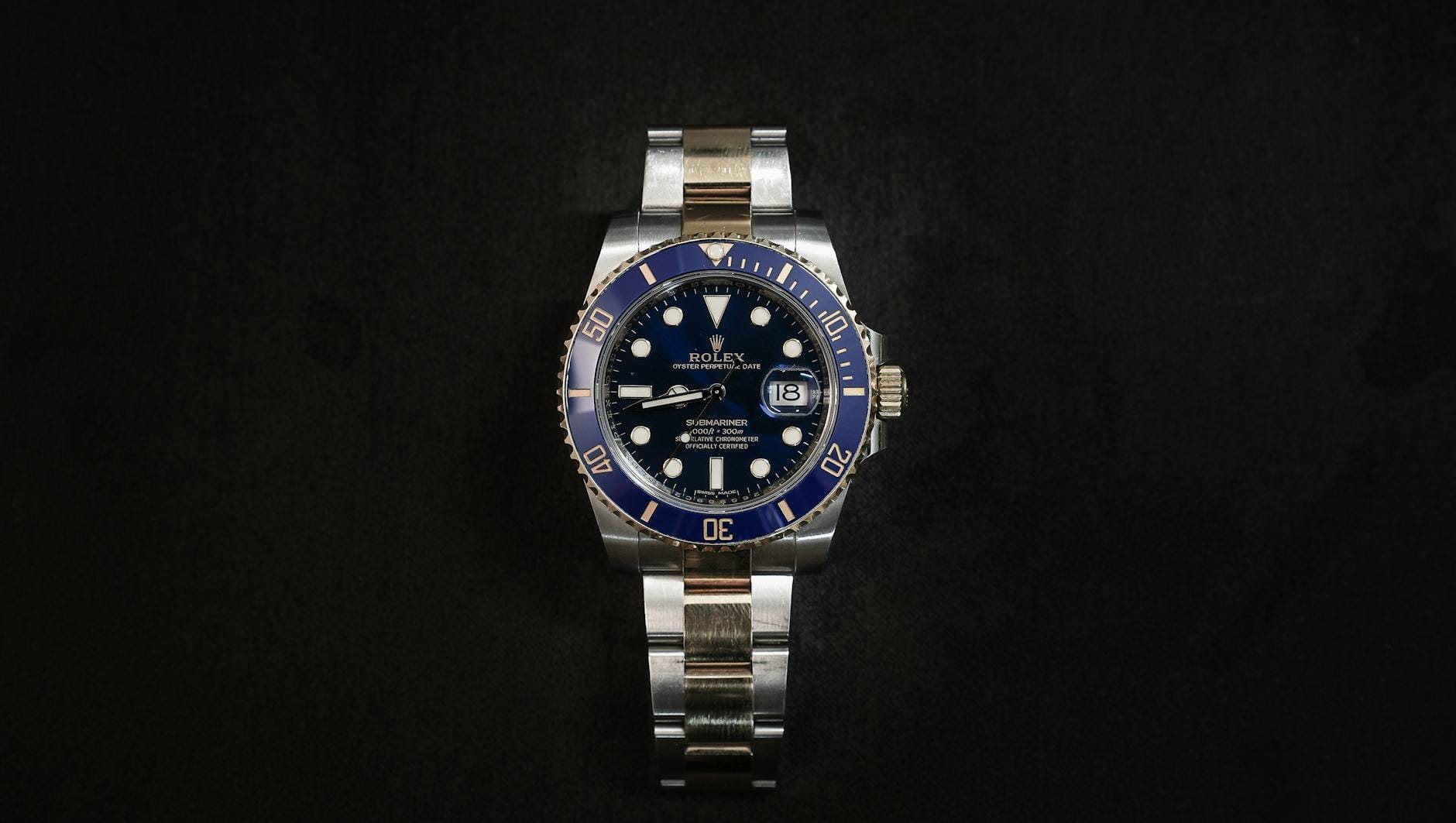
TL;DR
The 2024 Rolex secondary market shows stabilized prices and mature dynamics. Demand is driven by genuine interest and rarity, not speculation. Technology enhances transparency. Strategic investment focuses on unique models with strong provenance.
The State of the Rolex Secondary Market in 2024
The secondary market for luxury timepieces, particularly Rolex, has undergone a significant transformation in 2024. This year marks a critical juncture in the market dynamics, reflecting broader economic trends and evolving consumer preferences. This article delves into the key data points and trends that are reshaping the Rolex secondary market, providing insights for high-net-worth individuals and family offices interested in luxury collectibles.
Economic Factors Impacting Demand
Economic conditions are paramount in assessing the Rolex secondary market. In 2024, global economic growth has slowed, with concerns about inflation and interest rates impacting consumer spending patterns. However, the luxury sector has shown resilience, with Rolex benefiting from its reputation for quality and exclusivity. According to the latest reports, the average price of pre-owned Rolex watches has stabilized after a period of volatility, indicating a mature market where demand is driven by genuine interest rather than speculative buying.
Market Dynamics and Consumer Behavior
The Rolex secondary market has become increasingly sophisticated, with a growing number of platforms and auction houses catering to collectors and investors. In 2024, there has been a noticeable shift in consumer behavior, with a greater emphasis on rarity and provenance. Collectors are seeking out unique models and pieces with a rich history, often willing to pay a premium for these attributes. This trend is reflective of a broader movement in luxury asset allocation, where uniqueness and narrative carry significant weight.
Influence of Technology and Digital Platforms
The role of technology in the Rolex secondary market cannot be overstated. Digital platforms and social media have played a crucial role in connecting buyers and sellers, facilitating transparency and education. In 2024, these platforms have expanded their offerings to include detailed authentication services and expert reviews, enhancing trust in the market. This technological advancement has democratized access to information, making it easier for both novice and seasoned collectors to make informed decisions.
Strategic Investment Considerations
For high-net-worth individuals and family offices, the Rolex secondary market presents a unique opportunity for strategic investment. The stability in pricing and the growing focus on rarity suggest that careful selection can yield substantial returns. It is advisable to focus on models that have a strong track record and a dedicated following. Additionally, diversifying the portfolio with a mix of vintage and contemporary pieces can mitigate risk and maximize potential gains.
Conclusion: Navigating the Future
The Rolex secondary market in 2024 reflects a mature and evolving landscape. As economic conditions continue to influence consumer behavior, the market is likely to see further consolidation and specialization. For those looking to invest in luxury collectibles, understanding the nuances of the Rolex market is essential. By staying informed and leveraging the latest tools and resources, investors can position themselves to benefit from the enduring appeal of luxury timepieces.