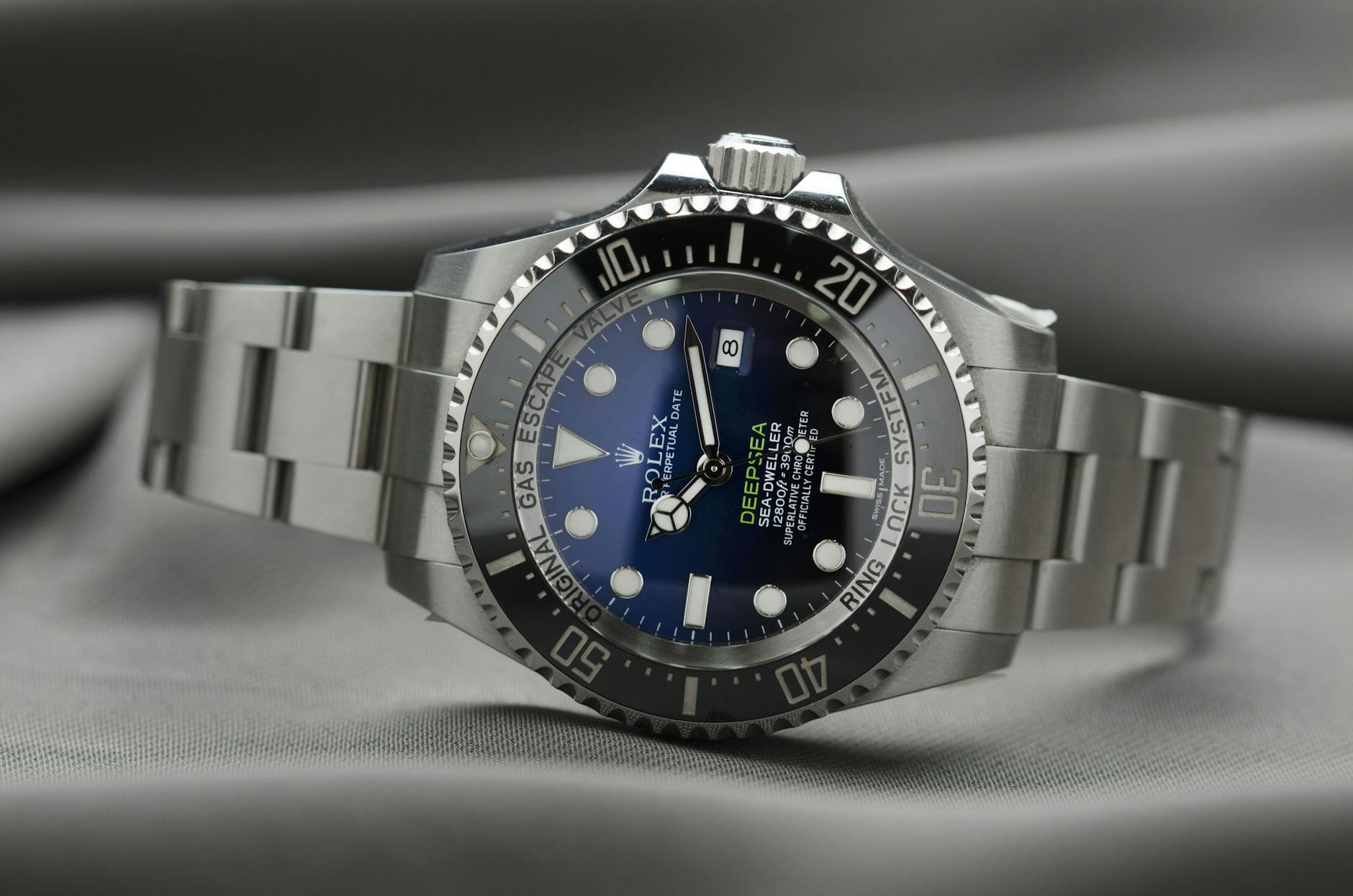
Christie's Geneva is auctioning sculptural 1960s–70s Rolex, Patek, and Cartier pieces. Vintage watches returned 147% over a decade per Knight Frank data. Structural supply constraints and growing institutional demand make this auction a key pricing signal for alternative asset investors.
Vintage Watch Auction Market Signals Strong Appreciation for Sculptural Timepieces
Vintage watch investment is delivering hard numbers that serious alternative asset allocators cannot ignore. Christie's upcoming Geneva sale features a of sculptural timepieces from Rolex, Patek Philippe, and Cartier — predominantly from the 1960s and 1970s — a segment of the market that has consistently outperformed broader luxury indices. According to the Knight Frank Luxury Investment Index, rare watches appreciated by approximately 147% over the decade to 2023, comfortably outpacing equities, gold, and even fine wine over the same period. For investors seeking non-correlated assets with genuine scarcity dynamics, this auction represents a live pricing signal worth analysing closely.
The Geneva market in particular functions as a global benchmark for vintage horology. Christie's Geneva sales have historically set world records across multiple categories, and the inclusion of geometrically complex, artistically driven pieces from the golden era of Swiss watchmaking adds a premium layer of desirability. Watches from this period were produced in extremely limited quantities — many references numbering in the dozens or low hundreds — and attrition through loss, damage, and institutional acquisition has further compressed the available supply in the secondary market.
Why Sculptural Vintage Watches Command Investment Premiums
The watches headlining this Christie's sale are not conventional round-cased dress pieces. Cartier's tonneau and cushion-shaped references from the 1960s, Patek Philippe's asymmetric and sector-dial models, and Rolex's experimental case geometries from the same era represent a distinct sub-category within vintage horology. These pieces attract a dual buyer base: sophisticated collectors who understand horological rarity, and institutional-grade investors who track auction repeat-sale data and bid accordingly. That convergence of demand from two distinct pools is precisely what drives price resilience and long-term appreciation.
Supply constraints are structural and permanent. Unlike whisky casks or fine wine, where new production can theoretically expand inventory, a Cartier Crash from 1967 or a Patek Philippe ref. 3448 in yellow gold cannot be replicated. Once absorbed into private collections or museum holdings, these pieces rarely return to market. Christie's Geneva sales data shows that top-tier vintage Cartier and Patek references have achieved hammer prices between CHF 200,000 and CHF 2.5 million in recent cycles, with certain Rolex experimental references breaching the CHF 1 million threshold even in softer macro environments.
- 10-year appreciation (rare vintage watches): +147% (Knight Frank Luxury Investment Index)
- Estimated supply of key 1960s–70s references: Fewer than 200 known examples per reference in many cases
- Christie's Geneva average lot value (top tier): CHF 300,000–CHF 2.5 million
- Market trend: Sculptural and artistically complex cases commanding 30–50% premiums over conventional round-case equivalents at auction
Reading the Auction as a Market Indicator
For investors who do not intend to bid directly, Christie's Geneva still delivers actionable intelligence. Sell-through rates, hammer-to-estimate ratios, and which specific references attract telephone bidding wars all provide forward-looking data on where collector and investor demand is concentrating. A strong result for a Cartier tonneau or a Patek sector-dial piece in Geneva typically filters through to dealer asking prices within 60 to 90 days, creating a narrow window for secondary market acquisition before prices adjust upward.
The broader vintage watch market has also benefited from increased institutional participation. Family offices and UHNW portfolios in Asia and the Middle East have allocated meaningfully to watches over the past five years, treating top-tier references as portable, liquid stores of value. Singapore, Hong Kong, and Dubai have emerged as significant secondary market hubs, with auction houses expanding their regional presence to capture this demand. This geographic diversification of the buyer base adds a further layer of price support that was absent a decade ago.
Investment Takeaway
Investors tracking alternative assets should treat this Christie's Geneva sale as a live data point, not merely an event. The sculptural vintage watch segment — Cartier, Patek Philippe, and Rolex references from the 1960s and 1970s — has demonstrated durable appreciation, structural supply constraints, and a growing institutional buyer base. For those considering direct allocation, the optimal entry strategy is to focus on references with documented auction histories, original dials and cases, and ideally provenance from a single long-term owner. Condition and originality are the primary value drivers in this segment, and pieces that tick both boxes consistently outperform at auction. Watch the hammer prices from Geneva closely: they will set the tone for secondary market pricing well into 2025.
Frequently Asked Questions
What makes 1960s and 1970s Rolex, Patek, and Cartier watches valuable as investments?
These pieces were produced in extremely limited numbers, often fewer than a few hundred per reference, and the surviving supply has been further reduced by damage, loss, and museum acquisition. Their artistic and horological complexity attracts both collector and institutional demand, creating a resilient price floor and consistent long-term appreciation.
How do vintage watch auction results inform investment decisions?
Auction hammer prices, sell-through rates, and hammer-to-estimate ratios provide real-time pricing data for specific references. Strong results at major sales like Christie's Geneva typically translate into higher dealer asking prices within 60 to 90 days, giving active investors a short window to acquire comparable pieces at pre-adjustment prices.
How does the vintage watch market compare to other alternative assets?
According to the Knight Frank Luxury Investment Index, rare watches appreciated approximately 147% over the decade to 2023, outperforming fine wine, art, and gold over the same period. Unlike some alternative assets, top-tier vintage watches are also highly portable and relatively liquid, with a functioning global auction infrastructure providing transparent price discovery.
What should investors look for when buying vintage watches as an asset?
Originality is paramount. Watches with original dials, hands, cases, and movements — ideally with documented single-owner provenance — consistently outperform at auction. References with established auction histories provide cleaner valuation data, reducing pricing uncertainty for investors who may eventually want to exit their position.
Is the vintage watch market affected by economic downturns?
Top-tier references have demonstrated relative price resilience during market corrections, partly because the buyer base includes UHNW individuals and family offices for whom liquidity constraints are less acute. However, mid-market and lower-grade pieces are more vulnerable to softening demand, which reinforces the investment case for focusing exclusively on the highest-quality, most documented examples.
💼 Interested in alternative asset investment? Speak to the team at Whisky Cask Club — Singapore's leading whisky cask investment specialists.
💼 Interested in alternative asset investment? Speak to the team at Whisky Cask Club — Singapore's leading whisky cask investment specialists.