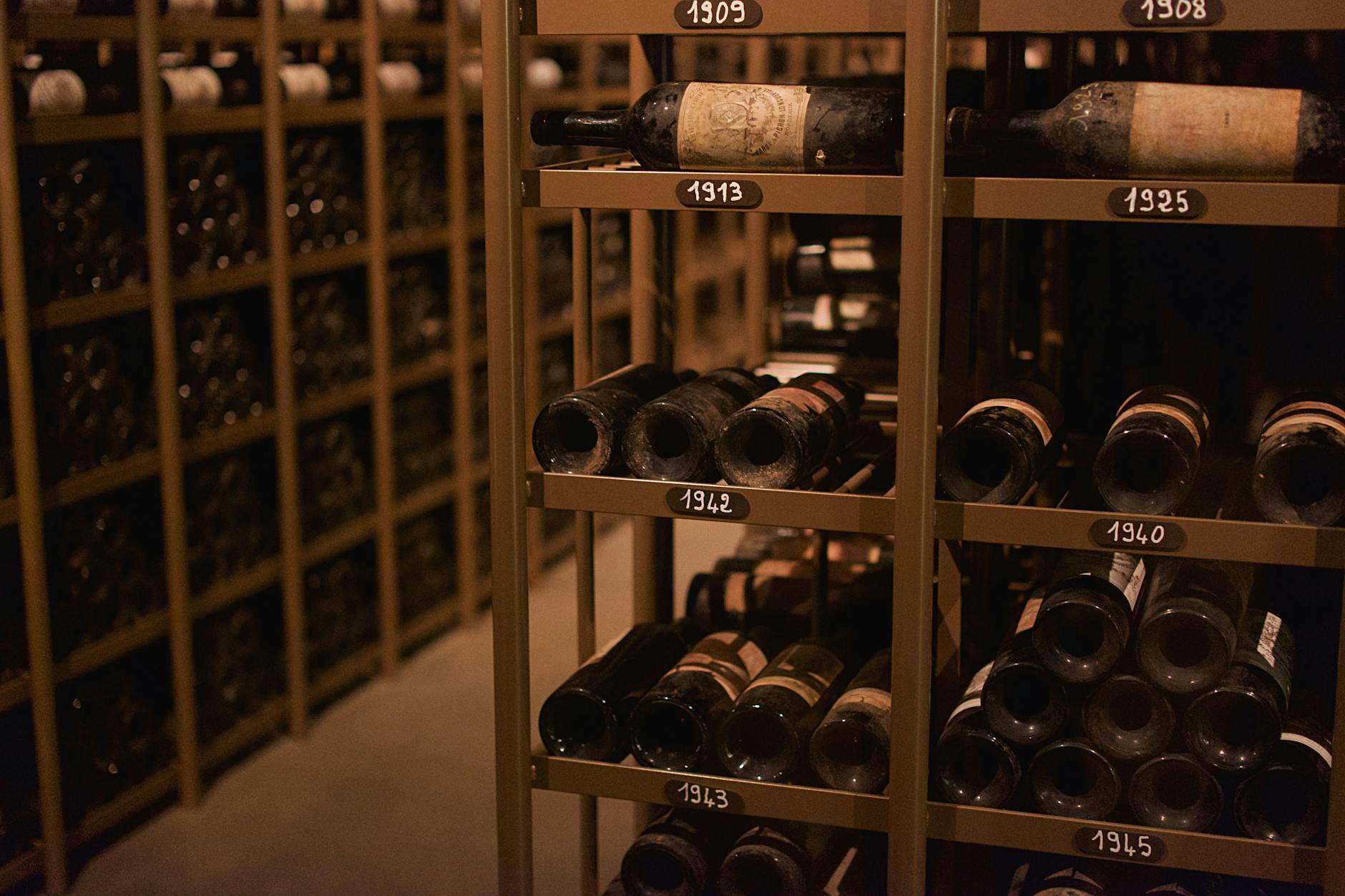
Baliwein's volcanic, supply-constrained Bali wines signal a broader frontier wine investment thesis. Scarcity, authenticity, and regulatory limits drive long-term appreciation — a framework already delivering 10–15% annual returns in whisky casks.
Bali Wine Investment: A Tropical Market Signal Worth Watching
Bali wine investment may not yet command the auction premiums of Pétrus or Domaine de la Romanée-Conti, but the emergence of Indonesian fine wine as a category deserves serious attention from alternative asset investors tracking frontier beverage markets. The global alternative wine investment market was valued at approximately USD 6.6 billion in 2023 and is projected to grow at a compound annual rate of 7.1% through 2030, according to Grand View Research. Within that expanding universe, emerging-region wines — particularly those with genuine geographic scarcity and a compelling production narrative — represent the early-stage allocation opportunity that sophisticated investors have historically exploited before mainstream capital follows. Baliwein, operating out of Bali's volcanic highland vineyards, is precisely the kind of producer that warrants early scrutiny.
The producer draws on grapes cultivated in volcanic soils at altitude, supplemented by indigenous Indonesian botanicals and tropical fruits to create red wines with a distinctly regional identity. This is not novelty for novelty's sake. The volcanic terroir of Bali's Buyan and Beratan highlands creates measurably distinct mineral profiles, and the integration of local botanicals introduces flavour complexity that cannot be replicated elsewhere — a critical prerequisite for investable scarcity. Annual production volumes remain extremely limited, constrained by the relatively small total vineyard area available on the island, which sits at under 100 hectares under vine across all producers.
Why Frontier Wine Regions Matter to Portfolio Investors
The investment case for frontier wine regions is well-documented in retrospect. Argentine Malbec from Mendoza traded at a fraction of comparable Bordeaux pricing in the 1990s before international recognition drove values up by multiples over the following two decades. Uruguayan Tannat and South African Chenin Blanc followed similar appreciation curves once critical mass of international demand met constrained supply. Bali's wine sector is structurally positioned at an analogous early stage: production is artisanal, international distribution is nascent, and the island's global tourism footprint — attracting over 6 million international visitors annually pre-pandemic — provides a ready-made audience of affluent consumers who create initial demand and brand recognition before export markets mature.
For investors, the mechanism is straightforward. Early-stage fine wine from geographically constrained regions appreciates when three conditions converge: critical recognition from influential reviewers, scarcity of supply that cannot be easily scaled, and growing international demand. Baliwein's volcanic terroir is fixed and finite. The regulatory environment for alcohol production in Indonesia adds an additional layer of supply constraint that no capital investment can easily overcome. These are structural scarcity dynamics, not marketing claims.
- Estimated Bali vineyard area: Under 100 hectares total across all producers
- Global alternative wine investment market (2023): USD 6.6 billion
- Projected CAGR (2023–2030): 7.1%
- Bali international visitor arrivals (pre-pandemic peak): 6.3 million annually
- Comparable frontier region appreciation (Argentine Malbec, 1995–2015): 300%+ in benchmark labels
How Investors Should Think About Frontier Wine Allocation
The practical challenge with frontier wine investment is liquidity. Unlike Bordeaux futures or established Burgundy labels, there is no deep secondary market for Indonesian wine today. This makes direct bottle acquisition a speculative, illiquid position — appropriate only as a small satellite allocation within a broader alternative assets portfolio. However, investors with a five-to-ten year horizon and an appetite for asymmetric returns should be tracking producers like Baliwein now, before institutional interest arrives. The pattern in alternative assets consistently rewards early identification: the investors who allocated to Japanese whisky a decade ago, when Yamazaki 18 Year traded below USD 100, are sitting on appreciation exceeding 400% on some expressions.
The more immediate and actionable parallel for ByProvenance readers is the broader principle Bali wine illustrates: geographic scarcity plus cultural authenticity plus constrained regulatory supply equals a compelling long-term appreciation thesis. Investors who understand this framework are already applying it to Scotch whisky casks, where fixed distillery production schedules and rising Asian demand have driven cask values upward by an average of 10–15% annually over the past decade according to Knight Frank's Luxury Investment Index. The same structural logic applies across premium beverage categories wherever genuine supply constraints meet growing global demand.
Investment Takeaway
Baliwein and the emergence of Bali as a fine wine origin is a market signal, not yet a mature investment category. Investors should treat it as an early-stage indicator of a broader trend: premium beverage production from geographically constrained, culturally distinct origins is attracting international attention and capital at an accelerating pace. The actionable move today is not necessarily to acquire bottles of Indonesian wine, but to recognise the underlying thesis — scarcity, authenticity, and supply constraints drive long-term appreciation — and apply it to more liquid, better-documented alternative asset classes where the same dynamics are already delivering measurable returns. Whisky casks, rare Burgundy, and limited-production spirits from emerging distilleries all fit this framework. Position early, hold with conviction, and let supply constraints do the work.
💼 Interested in alternative asset investment? Speak to the team at Whisky Cask Club — Singapore's leading whisky cask investment specialists.
Frequently Asked Questions
Is Bali wine a serious investment asset right now?
Not in the same category as established fine wine regions. Bali wine, including producers like Baliwein, is an early-stage, illiquid alternative asset. It carries speculative risk but offers asymmetric upside for investors with long time horizons who allocate a small satellite position and hold through the maturation of international recognition.
What makes Baliwein's production scarce?
Baliwein sources grapes from Bali's volcanic highland vineyards, where total available vineyard land across all producers is estimated at under 100 hectares. Indonesian regulatory constraints on alcohol production further limit scalability, creating structural supply ceilings that cannot be resolved simply by increasing capital investment.
How does frontier wine appreciation compare to whisky cask returns?
Established whisky cask markets have delivered average annual appreciation of 10–15% over the past decade according to Knight Frank's Luxury Investment Index, with deep secondary market liquidity. Frontier wine from emerging regions like Bali carries higher risk and lower liquidity but potentially higher asymmetric upside if the region achieves international critical recognition — comparable to Argentine Malbec's 300%+ appreciation over two decades.
What is the global alternative wine investment market worth?
The global alternative wine investment market was valued at approximately USD 6.6 billion in 2023 and is projected to grow at a compound annual rate of 7.1% through 2030, according to Grand View Research. Emerging-region wines represent a small but growing segment of this market as investors seek diversification beyond traditional Bordeaux and Burgundy.
What should investors do with the Bali wine trend today?
Use it as a framework signal rather than an immediate allocation. The structural thesis — geographic scarcity, cultural authenticity, and regulatory supply constraints driving long-term appreciation — is most actionable today in more liquid categories like Scotch whisky casks, where the same dynamics are already producing documented, measurable returns with established secondary market infrastructure.
💼 Interested in alternative asset investment? Speak to the team at Whisky Cask Club — Singapore's leading whisky cask investment specialists.