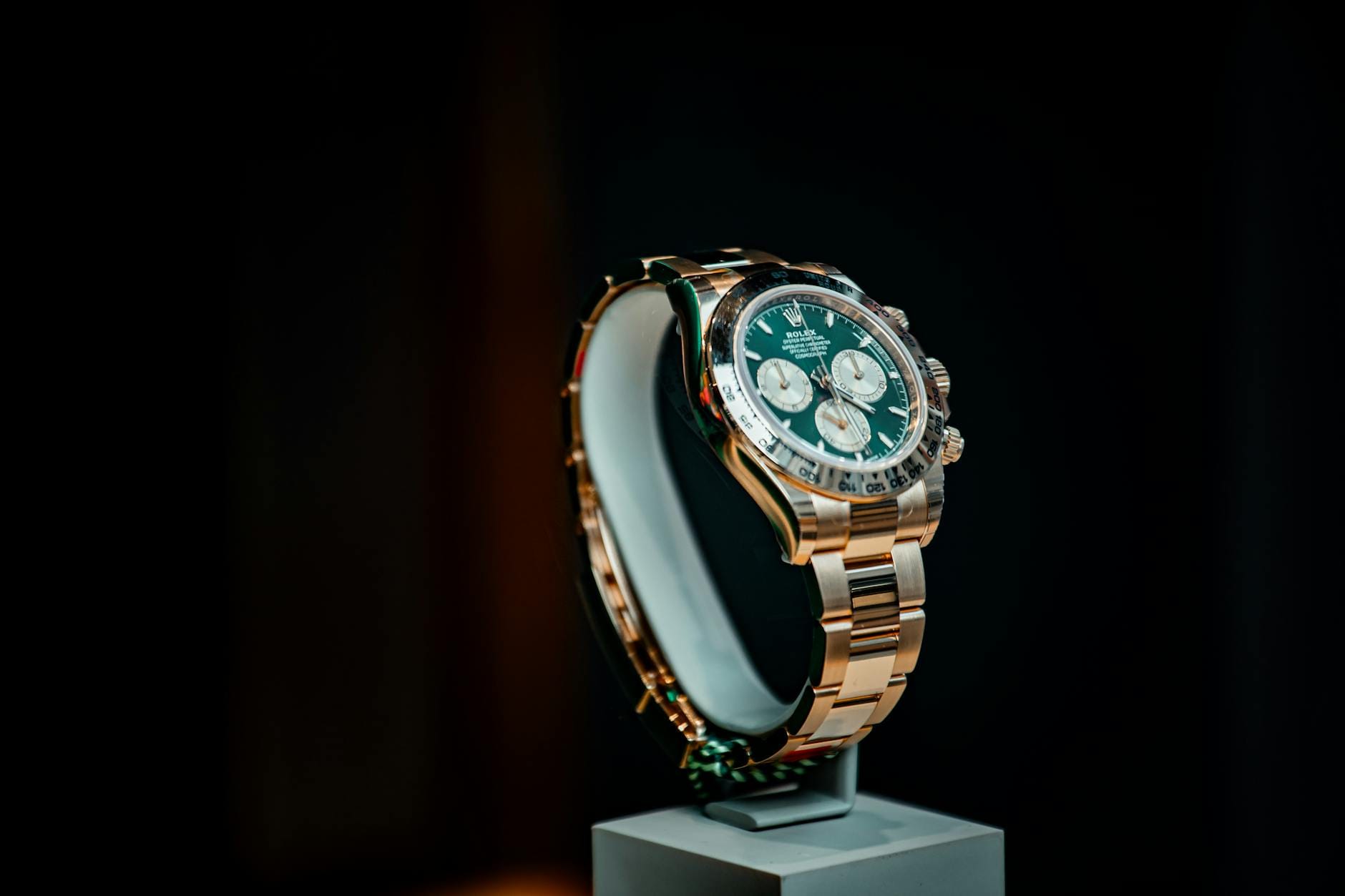
Gordon Ramsay collects salt and pepper shakers for their provenance. For investors, the real signal is how provenance drives value in whisky casks, fine wine, and rare collectibles — with rare whisky up 280% over ten years per Knight Frank data.
Gordon Ramsay's Salt and Pepper Collection — and What It Tells Investors About Tangible Asset Markets
When Gordon Ramsay — a chef with 16 Michelin stars and a restaurant empire valued at over £100 million — reveals a decades-long collecting habit, investors should pay attention. The item in question is not a cellar of Grand Cru Bordeaux or a vault of rare single malts. It is salt and pepper shakers: a collection Ramsay has been quietly amassing for years, sourced from restaurants and hotels across the globe. While the shakers themselves are unlikely to anchor a serious alternative asset portfolio, the story they tell about provenance-driven collecting, scarcity, and the monetisation of culinary culture is directly relevant to anyone allocating capital to tangible assets today.
The broader market for culinary collectibles and gastronomy-adjacent memorabilia has grown substantially over the past decade. Christie's and Sotheby's both report increased buyer interest in items tied to celebrity chefs, restaurant culture, and food history. A single menu signed by Escoffier sold at auction in 2022 for over £4,200. Vintage cognac decanters from defunct Parisian restaurants regularly clear £1,000 to £8,000 at specialist sales. The appetite for objects with culinary provenance is real — and growing.
Why Provenance Commands a Premium
What Ramsay's collection illustrates, perhaps unintentionally, is the core investment thesis behind provenance-driven assets: the story attached to an object amplifies its value far beyond its material worth. A salt shaker lifted from the table of a three-Michelin-star restaurant in the 1990s carries a narrative premium that a mass-produced equivalent simply cannot replicate. This is precisely the same dynamic that drives the fine whisky and rare wine markets, where the distillery of origin, the year of production, and the chain of custody combine to create an asset whose value is largely intangible but entirely defensible.
In the whisky cask market specifically, provenance is everything. Casks from closed or mothballed distilleries — Brora, Port Ellen, Rosebank — command prices that have appreciated between 200% and 500% over the past 15 years, according to data from the Scotch Whisky Industry Review. A single cask of 1982 Port Ellen, purchased at new-make prices in the early 1980s for under £500, would today fetch upwards of £80,000 to £120,000 at specialist auction. The scarcity is permanent: those distilleries cannot produce more stock. That supply constraint, combined with sustained global demand from Asian collectors and institutional buyers, creates the kind of asymmetric return profile that high-net-worth investors actively seek.
The Numbers Behind Tangible Asset Appreciation
The data on alternative tangible assets is increasingly hard to ignore. The Knight Frank Luxury Investment Index, which tracks collectibles including rare whisky, fine wine, art, and watches, recorded rare whisky as the top-performing asset class over the ten-year period to 2023, appreciating by 280% in that window. Fine wine posted 147% over the same period, outpacing global equities on a risk-adjusted basis in several of those years. Watches — particularly Rolex Daytona and Patek Philippe Nautilus references — have seen secondary market premiums of 40% to 120% above retail, though that segment has cooled somewhat since the 2021–2022 peak.
- Rare whisky 10-year appreciation: +280% (Knight Frank Luxury Investment Index)
- Fine wine 10-year appreciation: +147%
- Port Ellen cask value (1982 vintage): from ~£500 to £80,000–£120,000
- Culinary memorabilia market trend: Double-digit annual growth at specialist auction houses since 2018
- Whisky cask market size: Estimated £50 billion+ in maturing stock across Scotland alone
What unites these asset classes is the same principle Ramsay embodies in his collecting habit: the conviction that objects tied to specific moments, people, and places retain and accumulate value in ways that financial instruments cannot replicate. The difference, for a serious investor, is selecting assets where the scarcity is verifiable, the market is liquid enough to exit, and the provenance can be authenticated.
Investment Takeaway: What This Signal Means for Your Portfolio
Ramsay's story is not an invitation to start stockpiling tableware. It is a reminder that the instinct driving serious collectors — the pursuit of objects with irreplaceable provenance — is the same instinct that underpins the strongest-performing alternative asset classes. For investors looking to allocate capital to tangible assets in 2024 and beyond, the whisky cask market remains one of the most structurally compelling entry points. Supply from the most sought-after distilleries is fixed, global demand continues to accelerate particularly across Singapore, Hong Kong, and the United States, and the asset class offers genuine portfolio diversification with low correlation to public markets.
The practical entry point for most investors is a single cask purchase through a reputable specialist, with holding periods typically ranging from five to fifteen years. Due diligence should focus on distillery reputation, cask type, age at purchase, and the track record of the broker managing the storage and eventual sale. Unlike a salt shaker from a famous kitchen, a whisky cask from a respected Scottish distillery comes with a paper trail, a regulated storage environment, and a deep secondary market. That combination of romance and rigour is what separates a collectible from an investment.
Frequently Asked Questions
What makes whisky casks a legitimate investment asset?
Whisky casks are tangible assets with verifiable scarcity, particularly from closed or limited-production distilleries. They appreciate as the spirit matures, with supply permanently constrained and global demand growing. The Knight Frank Luxury Investment Index ranked rare whisky as the top-performing collectible over the decade to 2023, with 280% appreciation.
How does provenance affect the value of a whisky cask?
Provenance — the distillery of origin, the year of distillation, the cask type, and the documented chain of custody — is the primary driver of premium pricing. Casks from closed distilleries like Port Ellen or Brora carry a permanent scarcity premium because no new stock can ever be produced, making authenticated provenance the single most important factor in valuation.
What is the typical holding period for a whisky cask investment?
Most investors hold whisky casks for between five and fifteen years. Shorter holds can generate returns if the market moves in your favour, but the most significant appreciation typically occurs as the spirit reaches optimal maturity, usually between 12 and 25 years of age depending on the distillery and cask type.
How does whisky cask investment compare to fine wine or watches?
Over the ten years to 2023, rare whisky outperformed fine wine (280% vs 147% appreciation per the Knight Frank index). Watches have delivered strong returns but face greater volatility and have seen corrections since 2022. Whisky casks offer lower liquidity than watches but stronger supply constraints and a deeper collector base globally.
What should investors look for when buying a whisky cask?
Key due diligence factors include the distillery's reputation and production status, the age and type of cask, verified storage in a bonded Scottish warehouse, and the track record of the specialist broker. Investors should also confirm that the cask is insured, that ownership documentation is clear, and that there is a credible exit strategy, whether through private sale, bottling, or specialist auction.
💼 Interested in alternative asset investment? Speak to the team at Whisky Cask Club — Singapore's leading whisky cask investment specialists.
💼 Interested in alternative asset investment? Speak to the team at Whisky Cask Club — Singapore's leading whisky cask investment specialists.