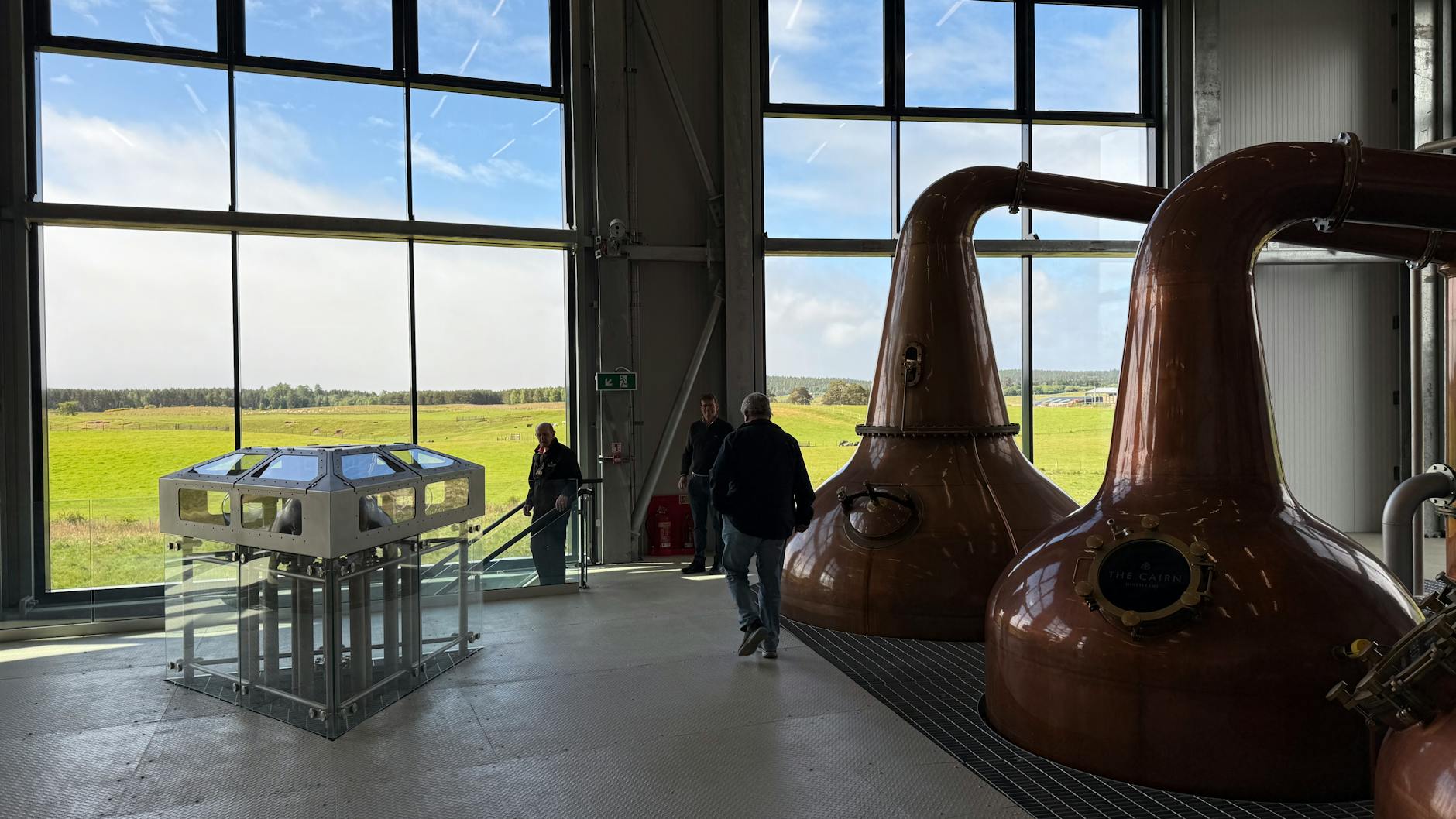
The global whisky industry is worth nearly $100 billion. Scotland leads by export value, Ireland is the fastest-growing category, and Japan commands auction premiums. Country of origin is a critical variable in cask investment returns and scarcity dynamics.
TL;DR: The global whisky industry is worth nearly $100 billion and growing, with production concentrated in a handful of nations whose output directly shapes cask investment supply, scarcity dynamics, and long-term price appreciation for alternative asset investors.
The Investment Opportunity: A $100 Billion Market With Uneven Supply
Whisky is no longer simply a drink — it is a globally traded asset class underpinned by a near-$100 billion industry that has expanded consistently year on year. For investors allocating capital to alternative assets, understanding which countries produce the most whisky — and how their regulatory frameworks, aging requirements, and export volumes affect supply — is foundational to making informed cask investment decisions. The countries at the top of this list are not just cultural producers; they are the engines of a market where aged inventory commands serious premiums.
Scotch whisky alone generated over £5.6 billion in export value in 2023, according to the Scotch Whisky Association. Scotland remains the dominant force globally, with five distinct regions — Speyside, Islay, Highlands, Lowlands, and Campbeltown — each producing whisky with distinct flavour profiles and collector demand. Scotch casks have historically appreciated at an average of 10–15% per annum over a ten-year holding period, making Scotland the anchor of any serious whisky cask portfolio.
Which Countries Produce the Most Whisky — and Why It Matters to Investors?
The United States ranks second in global whisky production, driven by its bourbon and Tennessee whiskey categories. American whiskey exports exceeded $1.2 billion in 2022, with bourbon in particular benefiting from legal protections that mandate new charred oak barrels — creating a secondary cask market that feeds into Scotch maturation. Ireland has surged into third position, with Irish whiskey now the fastest-growing major spirits category globally, recording a 14-fold increase in export volume over the past two decades. Distillery count in Ireland has grown from just four in 2010 to over 40 active distilleries today, signalling rapid supply expansion that investors should monitor carefully.
Japan commands premium pricing despite relatively modest production volumes, a dynamic that illustrates the power of scarcity in whisky investment. Bottles from Yamazaki, Hakushu, and Nikka regularly clear six figures at auction — a Yamazaki 55-year-old sold for HK$6.08 million (approximately $780,000 USD) at Bonhams Hong Kong in 2021. Canada, India, and Taiwan round out the broader top ten, with India deserving particular investor attention: Amrut and Paul John single malts have achieved compound annual growth rates that rival established Scotch expressions, and India's domestic whisky consumption — already the largest in the world by volume — is transitioning toward premium categories at pace.
Scarcity Dynamics and Supply Constraints Across Producing Nations
The investment thesis for whisky casks rests on a structural supply constraint that no producing nation can easily overcome: time. A 12-year-old Scotch requires 12 years of warehouse storage before it can legally carry that age statement. Distilleries cannot accelerate maturation, and any production decision made today will not yield investable inventory until the mid-2030s. This creates a predictable scarcity curve that sophisticated investors can position ahead of. Scotland's total bonded warehouse stock stood at approximately 22 million casks as of the latest industry estimates — a figure that sounds large but represents decades of global demand at current consumption rates.
- Scotch whisky 10-year cask appreciation: +10–15% per annum (average)
- Irish whiskey export growth: 1,400% over 20 years
- Japanese whisky auction record: $780,000 USD (Yamazaki 55-year-old, Bonhams 2021)
- Indian whisky market: Largest by volume globally, rapidly premiumising
- Scotland bonded warehouse stock: ~22 million casks in maturation
How Does Country of Origin Affect Cask Investment Returns?
Country of origin is one of the most significant variables in cask valuation. Scotch whisky benefits from the most robust legal framework — the Scotch Whisky Regulations 2009 define exactly what can and cannot carry the Scotch designation, providing investors with a clear quality floor and provenance guarantee. This regulatory moat is a meaningful risk-reduction factor that comparable producing nations have not yet replicated at the same level. Irish whiskey is governed by the Irish Whiskey Act and its associated technical file, which similarly provides investor protections, though the category's rapid distillery expansion means vintage scarcity has not yet reached Scottish levels.
Japanese whisky, by contrast, operated for decades with minimal labelling regulation, allowing blends containing imported Scotch to be sold under Japanese branding. The Japan Spirits and Liqueurs Makers Association introduced new standards in 2021 requiring genuine Japanese production for any bottle carrying the designation — a reform that will tighten supply of authentic Japanese whisky and likely accelerate price appreciation for verified casks. For investors, this regulatory shift represents a structural tailwind worth positioning ahead of, particularly in the context of already-elevated secondary market prices.
Investment Takeaway: Diversify by Origin, Anchor in Scotland
The actionable insight from mapping global whisky production is straightforward: Scotland remains the most liquid, most regulated, and most historically proven market for cask investment, and should form the core of any alternative asset allocation to whisky. However, meaningful upside exists in Irish new-make casks — where lower entry prices and strong export growth create a favourable risk-reward profile — and in verified Japanese inventory, where regulatory tightening will amplify scarcity premiums over the coming decade. Investors should avoid chasing volume-driven markets like India and Canada without specialist guidance, as quality variance and regulatory frameworks in those regions require deeper due diligence. The key variable across all producing nations remains the same: time in barrel is the asset, and the earlier an investor enters the maturation cycle, the greater the margin available at exit.
Frequently Asked Questions
Which country produces the most whisky in the world?
Scotland is the world's largest whisky-producing nation by export value, generating over £5.6 billion in exports in 2023. The United States is the largest by volume of whisky-style spirits, driven by bourbon and Tennessee whiskey production.
Is whisky cask investment regulated and safe?
In Scotland, whisky cask investment is underpinned by the Scotch Whisky Regulations 2009, which define strict production and labelling standards. Casks are held in HMRC-bonded warehouses, providing a clear chain of custody. However, as with all alternative assets, investors should conduct due diligence and work with regulated specialists.
How much has Scotch whisky appreciated in value over time?
Scotch whisky casks have historically appreciated at an average of 10–15% per annum over ten-year holding periods, though individual results vary significantly by distillery, age, and cask type. Rare bottlings at auction have achieved far higher returns — Yamazaki 55-year-old sold for approximately $780,000 USD at Bonhams in 2021.
Why is Japanese whisky so expensive despite lower production volumes?
Japanese whisky commands premium pricing due to a combination of genuine scarcity, strong international demand, and decades of quality reputation built by distilleries such as Yamazaki, Hakushu, and Nikka. New regulations introduced in 2021 further restrict what can legally be called Japanese whisky, tightening supply and supporting price appreciation.
Which emerging whisky-producing country offers the best investment potential?
Ireland presents a compelling case — Irish whiskey is the fastest-growing major spirits category globally, with export volumes up 1,400% over 20 years and distillery count expanding from four to over 40 since 2010. Entry prices for Irish casks remain lower than Scotch, offering attractive upside for investors with a medium-to-long-term horizon.
💼 Interested in alternative asset investment? Speak to the team at Whisky Cask Club — Singapore's leading whisky cask investment specialists.
💼 Interested in alternative asset investment? Speak to the team at Whisky Cask Club — Singapore's leading whisky cask investment specialists.