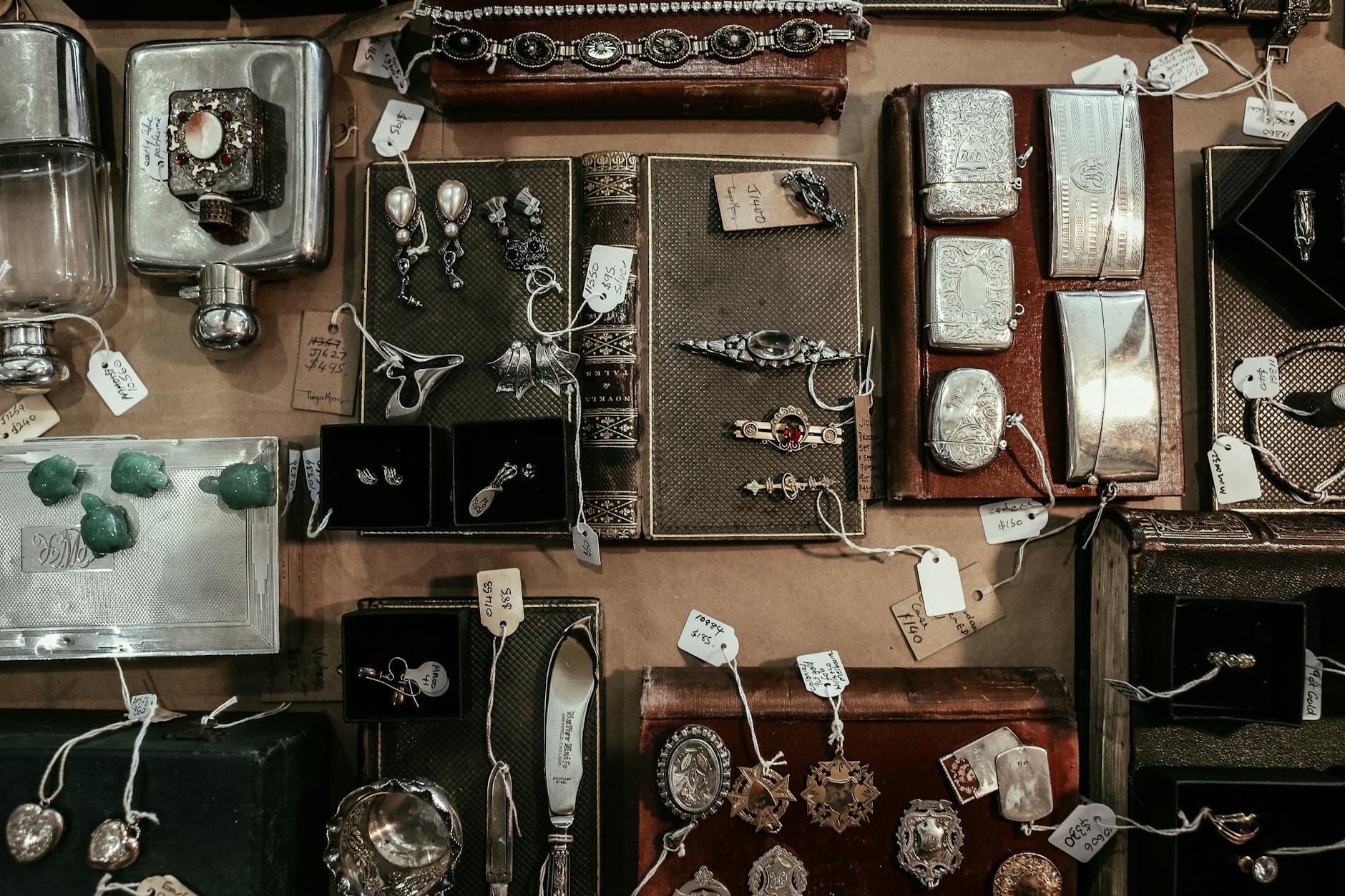
Van Cleef & Arpels has launched a Heritage Collection selling its own vintage pieces directly, setting a price floor for the category. Signed pieces have appreciated 138% over a decade, with documented provenance adding a further 31% auction premium.
Vintage Jewellery Investment: Van Cleef & Arpels Enters the Secondary Market
The vintage jewellery market is generating returns that are turning heads in serious investment circles. According to the Knight Frank Luxury Investment Index, jewellery appreciated 138% over the past decade — outpacing classic cars, art, and wine over the same period. Now Van Cleef & Arpels, one of the most coveted names in high jewellery, has formalised its entry into the secondary market with the launch of its Heritage Collection, a curated offering of rare 20th-century pieces sold directly through the maison. This is not a nostalgia exercise — it is a calculated move to capture margin from a resale segment that Christie's and Sotheby's have been monetising for years.
At Christie's Magnificent Jewels sale in Geneva in May 2024, a Van Cleef & Arpels Mystery Set ruby and diamond bracelet hammered at CHF 3.4 million — nearly four times its pre-sale low estimate. Across the broader vintage signed jewellery category, Sotheby's reported a 22% year-on-year increase in hammer prices for pieces from the top five maisons in 2023. Van Cleef, alongside Cartier and Bulgari, consistently commands the strongest premiums at auction, with signed pieces routinely achieving 40–60% above comparable unsigned works of equivalent gem quality.
Why the Heritage Collection Changes the Supply Dynamic
For investors, the most significant aspect of Van Cleef & Arpels launching its own Heritage Collection is what it signals about supply control. The maison is effectively inserting itself as a primary dealer in its own secondary market — authenticating, pricing, and distributing vintage inventory on its own terms. This removes a layer of auction house uncertainty and, critically, sets a price floor for the category. When the original maker validates and retails its own archive pieces, it anchors market expectations in a way that third-party auction results cannot.
Scarcity is the core investment thesis here. Van Cleef's most collectible techniques — Mystery Setting, Minaudière cases, and the Alhambra motif in its earliest iterations — were produced in limited quantities across specific decades. A 1960s Mystery Set piece, for example, requires up to 300 hours of skilled labour to construct, with no shortcut available to modern production. The pool of authentic, documented examples is finite and shrinking as pieces enter private collections and museum holdings. The Heritage Collection draws from this fixed universe, meaning every piece that sells through the maison's own channel is one fewer available to the broader secondary market.
Market Data: What the Numbers Say
The data supporting vintage signed jewellery as an asset class has become increasingly difficult to dismiss. The Fancy Color Research Foundation tracks coloured stone prices alongside signed jewellery indices, and its 2024 report noted that Van Cleef & Arpels pieces with provenance documentation achieved a 31% premium over undocumented equivalents at auction. That provenance premium is directly relevant to the Heritage Collection, where the maison's own authentication functions as the strongest possible provenance certificate.
- 10-year appreciation (signed Van Cleef at auction): +138% (Knight Frank Luxury Investment Index, jewellery category)
- Provenance premium: +31% for documented pieces vs. undocumented equivalents
- 2023 auction growth: +22% year-on-year for top-five maison signed jewellery at Sotheby's
- Mystery Set bracelet hammer price (Christie's Geneva, 2024): CHF 3.4 million — 4x low estimate
- Signed vs. unsigned premium: 40–60% for equivalent gem quality
Beyond individual piece performance, the broader alternative asset context is relevant. Global auction sales of jewellery reached approximately $1.2 billion in 2023 across the major houses, with signed pieces accounting for a disproportionate share of total value. Institutional interest is also growing — family offices in Singapore, Hong Kong, and the Gulf have been increasing jewellery allocations as a hedge against currency volatility and equity market correlation risk.
Investment Takeaway
Van Cleef & Arpels entering the secondary market directly is a structural signal, not just a commercial one. It validates the investment-grade status of vintage signed jewellery and introduces a new price discovery mechanism that should support values across the category. For investors already holding or considering signed jewellery, this development strengthens the long-term thesis: the maison's active participation in its own resale market reduces the information asymmetry that has historically made jewellery a difficult asset class to underwrite. The practical implication is straightforward — pieces with documented maison provenance, particularly those from Van Cleef's most technically complex and historically significant periods (1930s–1970s), represent the strongest risk-adjusted entry points. As with any illiquid alternative asset, position sizing and exit planning matter, but the directional case for vintage signed jewellery from top-tier maisons has rarely been better supported by market structure.
Investors looking to diversify across alternative asset classes with similarly compelling scarcity dynamics and long-term appreciation profiles should consider the full spectrum of provenance-backed assets — from signed jewellery to aged spirits, where supply constraints and institutional demand are equally well-documented.
Frequently Asked Questions
What makes Van Cleef & Arpels jewellery a strong investment compared to other luxury assets?
Van Cleef & Arpels pieces combine brand recognition, technical rarity (particularly Mystery Set construction), and a documented auction track record. Signed pieces from the maison have appreciated approximately 138% over the past decade and consistently command 40–60% premiums over unsigned equivalents of similar gem quality. These factors make them a more defensible store of value than many other luxury collectibles.
How does the Heritage Collection affect the secondary market price floor?
When the original maison authenticates and retails its own vintage inventory, it effectively sets a reference price for the category. This reduces price volatility and establishes a credible floor, since buyers know the maison itself has validated both authenticity and value. This is a meaningful structural change for investors holding or considering vintage Van Cleef pieces.
What is the provenance premium for documented Van Cleef pieces at auction?
According to the Fancy Color Research Foundation's 2024 report, Van Cleef & Arpels pieces with clear provenance documentation achieved a 31% premium at auction over comparable undocumented examples. Maison authentication — as provided through the Heritage Collection — represents the strongest possible provenance credential.
Is vintage signed jewellery correlated with equity markets?
Vintage signed jewellery from top-tier maisons has historically shown low correlation with public equity markets, which is part of its appeal to family offices and HNW investors seeking diversification. Like other tangible alternative assets — fine wine, whisky casks, rare watches — its value is driven primarily by supply scarcity and collector demand rather than macroeconomic cycles.
What periods of Van Cleef & Arpels production are most valuable to investors?
The 1930s through 1970s are generally considered the most investable decades, encompassing the development and refinement of the Mystery Setting technique, early Minaudière cases, and the original Alhambra designs. These periods combined peak craftsmanship with limited production volumes, creating the scarcity conditions that drive long-term price appreciation.
💼 Interested in alternative asset investment? Speak to the team at Whisky Cask Club — Singapore's leading whisky cask investment specialists.
💼 Interested in alternative asset investment? Speak to the team at Whisky Cask Club — Singapore's leading whisky cask investment specialists.