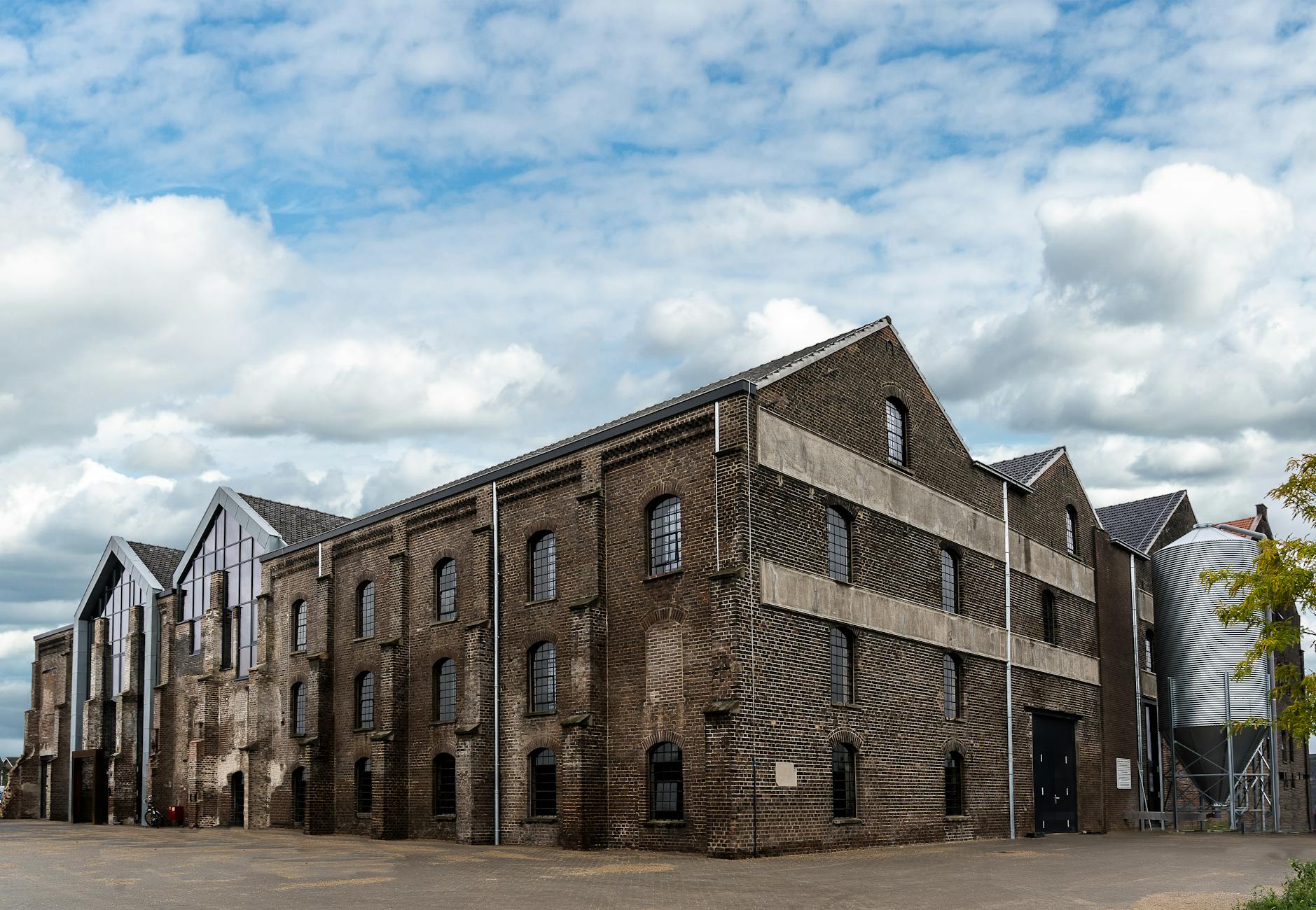
Virginia Distillery's Bourbon and American Single Malt blend signals category maturation. With formal TTB recognition in 2024 and genuine supply scarcity, early cask investors could capture asymmetric returns before mainstream adoption drives prices higher.
TL;DR: Virginia Distillery's new Bourbon and American Single Malt blend signals a maturing category that investors should watch closely. American Single Malt is gaining regulatory recognition and collector demand, creating early-mover cask investment opportunities before prices reflect mainstream adoption.
American Single Malt Whisky Investment: The Market Signal Behind Virginia Distillery's New Blend
Virginia Distillery Company has launched a blended expression combining Bourbon and American Single Malt whisky — a move that carries more weight for alternative asset investors than it might first appear. The American Single Malt category formally received its own legal definition from the Alcohol and Tobacco Tax and Trade Bureau (TTB) in late 2024, a regulatory milestone that historically precedes significant price appreciation in emerging whisky categories. For context, Scottish Single Malt cask values have appreciated an average of 564% over the past two decades according to the Knight Frank Luxury Investment Index, and early entrants into that category captured the most asymmetric returns. The question now is whether American Single Malt is positioned to follow a similar trajectory.
Virginia Distillery, based in Lovingston, Virginia, has been among the most prominent producers pushing American Single Malt into mainstream consciousness. Their Courage & Conviction expression — a 100% malted barley whisky matured in American oak, Cuvée wine, and Sherry casks — has already drawn comparisons to Scotch in blind tastings. By blending it with Bourbon, the distillery is deliberately bridging two audiences: Bourbon loyalists and Scotch drinkers seeking domestically produced alternatives. This cross-category positioning is a calculated commercial strategy, and for investors, it signals that demand for American Single Malt is broadening beyond niche enthusiasts into a more liquid consumer market.
Why This Matters for Cask and Whisky Investors
Category legitimacy is one of the most powerful drivers of cask value appreciation. When a whisky style earns formal regulatory recognition — as American Single Malt now has — it unlocks access to export markets, retail shelf space, and institutional attention that previously did not exist. The Scotch Whisky Association's strict category definitions, for example, have underpinned the global premiumisation of Scotch and directly supported the cask investment market, which the Scotch Whisky Association estimated at over £700 million in 2023. American Single Malt is now entering that same phase of formalisation, and Virginia Distillery's high-profile product launch accelerates consumer awareness at exactly the right moment.
Supply dynamics further strengthen the investment case. American Single Malt must be produced from 100% malted barley, distilled at a single distillery, and matured in oak casks in the United States — constraints that limit volume and create genuine scarcity. Unlike Bourbon, which benefits from a vast, industrialised production base, American Single Malt remains a craft-scale category. There are fewer than 200 producers currently operating at meaningful volume, and total annual production is a fraction of the roughly 25 million barrels of Bourbon currently maturing in American warehouses. Scarcity, combined with rising consumer interest, is the fundamental equation that has driven returns in every other premium whisky category.
- Category appreciation benchmark: Scotch Single Malt casks averaged +564% over 20 years (Knight Frank Luxury Investment Index)
- American Single Malt producers: Fewer than 200 at meaningful production scale
- Bourbon barrels maturing: Approximately 25 million — vastly outpacing American Single Malt supply
- Regulatory milestone: TTB formal category definition enacted 2024, unlocking export classification
- Market trend: American whisky exports grew 9% year-on-year in 2023, with premium expressions outperforming the broader category
What Virginia Distillery's Move Tells Us About Demand Trends
When an established distillery launches a blend specifically designed to introduce Bourbon drinkers to American Single Malt, it is executing a demand-creation strategy. Virginia Distillery is not simply releasing a product — it is investing marketing capital in expanding the addressable consumer base for the entire category. This mirrors what Glenfiddich and The Macallan did for Scotch Single Malt in the 1980s and 1990s, when deliberate brand-building transformed a regional product into a global luxury asset class. Investors who recognised that inflection point early — and held casks through the category's maturation — captured returns that dwarfed conventional equity markets over the same period.
The parallel is not perfect, but the structural conditions are comparable. American Single Malt has a compelling domestic story, strong craft credentials, and now formal regulatory backing. Virginia Distillery's blend is a signal that the category is confident enough to court mainstream palates rather than simply preaching to converts. For cask investors, this is the kind of demand-side catalyst that precedes sustained price appreciation — and the window to enter before institutional capital takes notice is typically short.
Investment Takeaway
Investors seeking exposure to American Single Malt should treat Virginia Distillery's product launch as a directional signal rather than a buying trigger in isolation. The actionable opportunity lies in acquiring new-make or young American Single Malt casks from credible producers now, before category recognition translates into the kind of price premiums already embedded in Scotch and Japanese whisky casks. A three-to-seven-year holding period aligns with both the maturation requirements of the spirit and the likely timeline for mainstream consumer adoption to drive secondary market demand. Diversifying a whisky cask portfolio to include American Single Malt alongside established Scottish and Irish expressions provides both growth optionality and genuine category diversification — two attributes that are increasingly difficult to find in a single alternative asset class.
Due diligence remains essential. Investors should prioritise distilleries with verifiable production records, bonded warehouse storage, and clear exit strategies through established brokers or auction houses. The American Single Malt category is early-stage, which means both the upside and the counterparty risk are elevated relative to more mature whisky markets. Position sizing accordingly — but do not ignore the signal that Virginia Distillery has just sent to the wider market.
Frequently Asked Questions
What is American Single Malt whisky and how does it differ from Bourbon?
American Single Malt whisky must be produced from 100% malted barley at a single distillery in the United States and matured in oak casks. Bourbon, by contrast, must be made from a mash of at least 51% corn and aged in new, charred oak barrels. The malted barley requirement gives American Single Malt a flavour profile closer to Scotch, while the absence of the new-barrel rule allows for greater maturation flexibility. The TTB formally codified the American Single Malt category in 2024, giving it legal standing equivalent to Bourbon and Rye.
Why does regulatory recognition matter for whisky cask investors?
Formal category definitions unlock export classification, enabling producers to label and market their products in international markets under a recognised designation. This dramatically expands the addressable consumer base and creates the conditions for premiumisation — the same process that elevated Scotch Single Malt into a global luxury category. For cask investors, regulatory recognition typically precedes a sustained increase in secondary market values, as institutional buyers and international collectors gain confidence in the category's legitimacy and longevity.
How have American whisky cask values performed compared to Scotch?
Scotch Single Malt casks have delivered average appreciation of 564% over 20 years according to the Knight Frank Luxury Investment Index, significantly outperforming many conventional asset classes. American whisky casks — particularly premium Bourbon — have also seen strong appreciation, with rare expressions from distilleries such as Buffalo Trace and Four Roses achieving significant auction premiums. American Single Malt is earlier in its appreciation cycle, which represents both higher risk and higher potential upside for investors entering the category now.
Is Virginia Distillery a credible producer for investment purposes?
Virginia Distillery Company is one of the most established American Single Malt producers in the United States, operating a purpose-built distillery in Lovingston, Virginia since 2015. Their Courage & Conviction range has received consistent critical recognition and is distributed across multiple international markets. The distillery's decision to launch a Bourbon and American Single Malt blend reflects commercial confidence and marketing sophistication — both positive indicators for investors assessing producer credibility and long-term viability.
What holding period should investors expect for American Single Malt casks?
A three-to-seven-year holding period is generally appropriate for American Single Malt cask investments, aligning with both the maturation timeline needed to develop complexity and the projected timeline for mainstream consumer adoption to drive secondary market demand. Investors with longer time horizons — ten years or more — may benefit from deeper flavour development and greater category maturation, potentially commanding higher premiums at auction or through private sale. As with all illiquid alternative assets, investors should ensure they do not require capital access within the holding period.
💼 Interested in alternative asset investment? Speak to the team at Whisky Cask Club — Singapore's leading whisky cask investment specialists.
💼 Interested in alternative asset investment? Speak to the team at Whisky Cask Club — Singapore's leading whisky cask investment specialists.