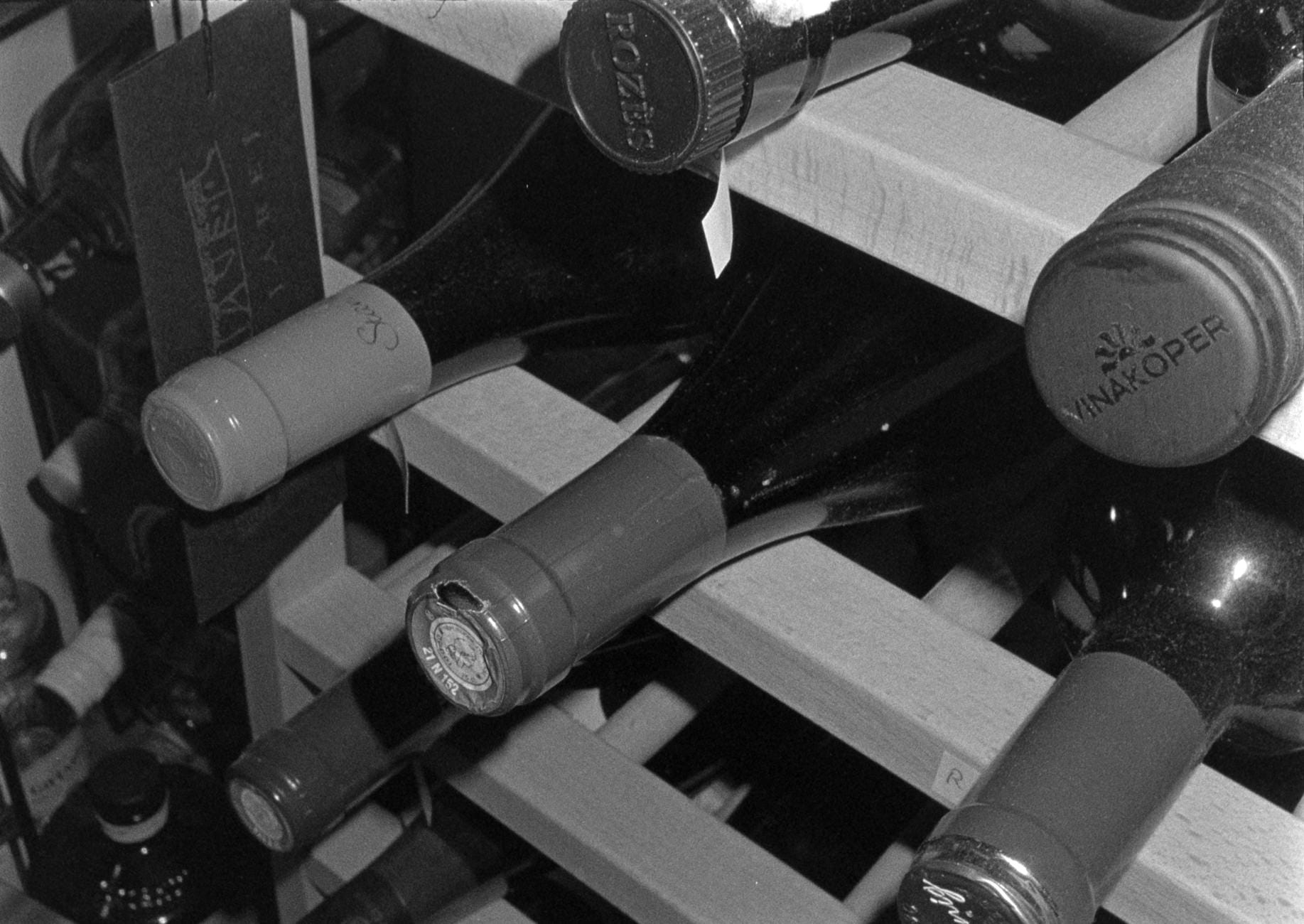
German Prädikat wines and Lebanese icons like Château Musar offer compelling fine wine investment cases: scarcity-driven supply, rising Asian demand, and verified auction appreciation — with Liv-ex showing 10.6% average annual returns over a decade.
Fine Wine as an Investment: What the German and Lebanese Markets Signal
Fine wine investment delivered average annual returns of 10.6% over the past decade, according to the Liv-ex Fine Wine 1000 index — outperforming many traditional asset classes over the same period. Against that backdrop, two wine regions commanding serious attention from portfolio-minded buyers right now are Germany's Rheingau and Rheinhessen, and Lebanon's Bekaa Valley. A week of high-profile tastings and trade gatherings centred on wines from Mainz to the vineyards of the Levant has sharpened focus on what these regions represent not just as drinking propositions, but as investable commodities with genuine scarcity dynamics and growing secondary market traction.
The week's events — spanning intimate producer dinners in Germany through to landmark vertical tastings of Lebanese icons — drew buyers, merchants and collectors whose conversations increasingly orbited allocation strategies rather than tasting notes alone. When the people spending serious money gather in a room to taste together, it is worth paying attention to what they are reaching for.
Why German Precision Wines Are Attracting Investor Attention
German Riesling from top-tier producers has seen dramatic price appreciation over the past five years. Egon Müller's Scharzhofberger Trockenbeerenauslese regularly achieves auction hammer prices north of €10,000 per bottle, with the 2003 vintage fetching €12,600 at Sotheby's in 2023. More broadly, Liv-ex data shows that German fine wine as a category appreciated approximately 34% between 2019 and 2024 — a trajectory that reflects both surging international demand and extremely constrained supply. Top German Prädikat wines are produced in minuscule quantities: a single TBA bottling from a producer like Egon Müller or JJ Prüm may amount to fewer than 200 bottles in a given vintage, and not every year qualifies for production at all.
The investment case rests on several compounding factors. First, Germany's VDP classification system — broadly analogous to Burgundy's Premier and Grand Cru hierarchy — has given international buyers a legible quality framework that supports price discovery. Second, the global shift toward lower-alcohol, high-acid wines has positioned German Riesling as a stylistic beneficiary of changing consumer preferences, particularly across Asian markets where sommelier culture has matured rapidly. Singapore, Hong Kong, and Tokyo have all recorded meaningful upticks in German fine wine imports over the past three years, adding demand pressure to an already tight supply chain.
Lebanon's Landmark Wines: Scarcity, Resilience and Secondary Market Momentum
Lebanon's wine investment story is arguably more compelling on a risk-adjusted basis precisely because it remains underappreciated. Château Musar — the Bekaa Valley's most internationally recognised producer — has seen its older vintages appreciate sharply as global awareness of the estate's track record has grown. The 1972 Musar Père et Fils, for example, traded at auction for over £400 per bottle at Christie's in 2022, representing a return that would have been difficult to predict when the bottles were originally allocated. Musar's production model — releasing wines a minimum of seven years after harvest, with some vintages held back even longer — creates a structural supply lag that systematically supports secondary market pricing.
Beyond Musar, estates including Domaine des Tourelles, Massaya, and Château Kefraya have begun attracting collector interest, particularly for back vintages produced before Lebanon's 2019 economic crisis severely curtailed output. That crisis, combined with the 2020 Beirut port explosion which destroyed significant wine stocks, has permanently reduced the available pool of older Lebanese vintages. From an investment standpoint, supply destruction of that magnitude — tragic as its causes are — functions as a scarcity accelerator. Bottles that survived are now meaningfully rarer than they were five years ago, and pricing has begun to reflect that reality.
Key Investment Metrics at a Glance
- Liv-ex Fine Wine 1000 (10-year return): +106% cumulative
- German fine wine appreciation (2019–2024): approximately +34%
- Egon Müller TBA auction record: €12,600 per bottle (Sotheby's, 2023)
- Château Musar 1972 auction price: £400+ per bottle (Christie's, 2022)
- Lebanese vintage availability: severely constrained post-2019 and post-2020 port explosion
- German TBA annual production: often fewer than 200 bottles per producer per qualifying vintage
Investment Takeaway: Position Before the Wider Market Catches Up
Both German Prädikat wines and top Lebanese labels share a structural characteristic that investors in alternative assets should recognise: supply is effectively fixed or declining while demand is rising. For German Riesling, the window to acquire well-priced allocations from top VDP estates is narrowing as Asian buyer competition intensifies. For Lebanese wines, the combination of production disruption and growing international recognition means that secondary market prices for pre-2019 vintages are likely to continue their upward trajectory regardless of near-term geopolitical noise.
Investors building a fine wine allocation should treat these two regions not as exotic diversifiers but as high-conviction positions supported by verifiable scarcity data, improving secondary market liquidity, and a growing base of informed international buyers. The smart move is to establish positions now — through reputable merchants with direct producer relationships — rather than chasing prices once these wines achieve broader mainstream recognition. Diversifying across alternative assets, including whisky casks alongside fine wine, remains a prudent strategy for managing concentration risk within any tangible asset portfolio.
Frequently Asked Questions
What makes German fine wine a credible investment asset?
German Prädikat wines — particularly Trockenbeerenauslese and Beerenauslese from top VDP estates — are produced in extremely limited quantities, often fewer than 200 bottles per vintage. Combined with a legible classification system, long ageing potential, and rising demand from Asian markets, this creates the scarcity and demand dynamics that support price appreciation over time. Liv-ex data shows German fine wine appreciated approximately 34% between 2019 and 2024.
Why are older Lebanese wine vintages becoming more valuable?
Lebanon's 2019 economic crisis and the 2020 Beirut port explosion permanently destroyed significant wine stocks and curtailed production. This supply destruction has reduced the pool of available older vintages from estates like Château Musar, Massaya, and Domaine des Tourelles, pushing secondary market prices upward. Château Musar's 1972 vintage fetched over £400 per bottle at Christie's in 2022, illustrating the appreciation potential.
How does fine wine compare to whisky casks as an alternative investment?
Both asset classes benefit from scarcity dynamics, tangible value, and growing global demand. Fine wine typically offers more established secondary market liquidity through auction houses like Christie's, Sotheby's, and Liv-ex. Whisky casks, by contrast, offer the advantage of natural appreciation as the spirit matures in barrel, with no storage costs passed to the buyer in many investment structures. A balanced alternative asset portfolio might include both.
What are the key risks when investing in fine wine from emerging regions?
Geopolitical instability — as seen in Lebanon — can disrupt supply chains and create uncertainty around provenance and storage conditions. Currency risk is also relevant when buying wines priced in euros or pounds from outside those currency zones. Investors should work with merchants who provide documented provenance, professional storage, and transparent secondary market access to mitigate these risks.
How should a high-net-worth investor begin building a fine wine allocation?
Start by establishing relationships with reputable négociants or merchants who have direct producer allocations, particularly for German VDP estates and Lebanese icons where en primeur or direct allocation access is limited. Aim to diversify across vintages and regions, maintain professional bonded storage to preserve provenance, and treat fine wine as a five-to-ten-year hold to capture meaningful appreciation. Consulting a specialist alternative asset advisor before committing significant capital is strongly recommended.
💼 Interested in alternative asset investment? Speak to the team at Whisky Cask Club — Singapore's leading whisky cask investment specialists.
💼 Interested in alternative asset investment? Speak to the team at Whisky Cask Club — Singapore's leading whisky cask investment specialists.