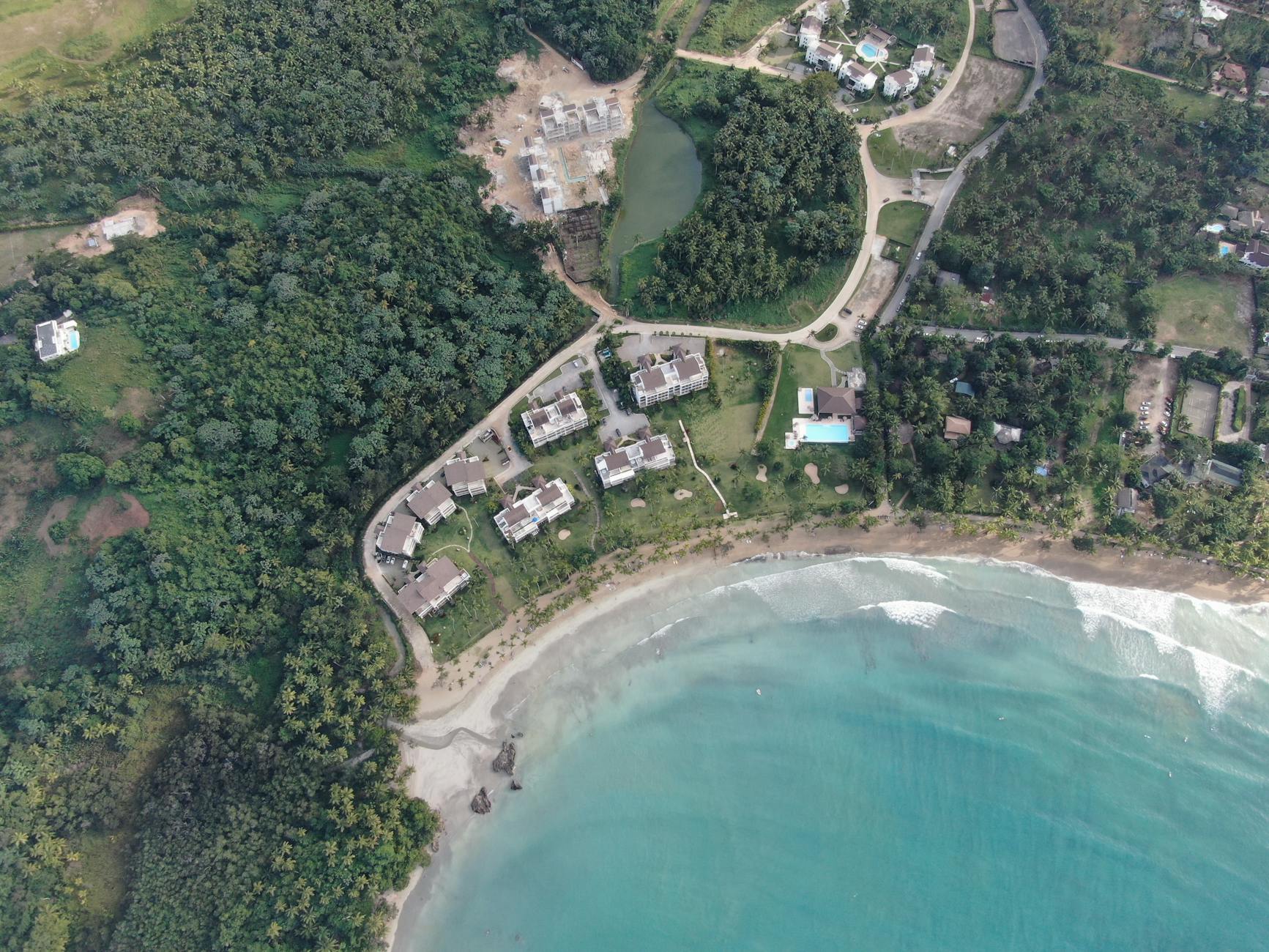
Caribbean Real Estate as an Alternative Asset: The Antigua Thesis
Antigua's luxury property market posted average price appreciation of 12–15% annually between 2022 and 2025, outpacing many established Caribbean rivals including Barbados and St Lucia over the same period. Average villa prices on the island's prime north-western coastline — think Jumby Bay Island and Dickenson Bay — now sit between $3 million and $18 million, with ultra-prime waterfront lots commanding premiums that have doubled since 2019. For high-net-worth investors scanning alternative asset classes beyond equities and bonds, Caribbean real estate — and Antigua specifically — is increasingly appearing in the same conversation as whisky casks, fine wine, and trophy art.
Why Antigua Is Outperforming Its Neighbours
Supply is the core driver. Antigua covers just 281 square kilometres, and the proportion of developable coastal land with direct beach access is finite and shrinking. New zoning restrictions introduced in 2023 have further constrained pipeline supply in the island's most sought-after corridors, creating a structural scarcity dynamic that underpins long-term price floors. This is precisely the kind of supply constraint that sophisticated investors recognise from other hard-asset classes — the same logic that makes aged Scotch whisky or first-growth Bordeaux compelling holds here: you cannot manufacture more of it.
Demand, meanwhile, is accelerating from multiple directions. Antigua's Citizenship by Investment (CBI) programme, which grants full citizenship in exchange for a qualifying real estate investment of $200,000 or more, drew a record number of applicants in 2024, with the Caribbean Citizenship by Investment Index ranking Antigua among the top three programmes globally for value and processing efficiency. That programme-driven demand functions as a structural price floor — buyers are not purely speculative; many are acquiring a second passport alongside a hard asset, which increases holding motivation and reduces distressed selling pressure.
Key Investment Metrics
- 5-year price appreciation (prime coastal): +68% (2019–2024)
- Rental yield, luxury villa segment: 6–9% gross annually
- CBI minimum qualifying investment: $200,000 (National Development Fund) or $400,000 (real estate)
- Pipeline supply constraint: New coastal development restrictions effective 2023
- Market size: Luxury segment transactions exceeded $480 million in 2024, up from $290 million in 2021
Rental yields deserve particular attention. Managed luxury villa programmes on the island — operated through brands such as Elite Island Resorts and a growing number of independent operators — are generating gross yields of 6–9% on properties let through short-term premium channels. Net yields after management fees and holding costs typically land in the 4–6% range, which compares favourably with prime London residential (currently averaging sub-3% net) and is broadly in line with top-performing whisky cask portfolios over equivalent holding periods.
How This Sits Within a Broader Alternative Assets Strategy
Institutional allocators have long understood that portfolio resilience comes from genuine diversification — assets whose return drivers are uncorrelated with public markets. Caribbean real estate, whisky casks, fine wine, and rare watches share a common investment logic: scarcity, tangible underlying value, and demand driven by a growing global wealth class. The Knight Frank Wealth Report 2024 noted that ultra-high-net-worth individuals now allocate an average of 26% of their portfolios to alternative assets, up from 19% five years ago. Antigua fits within that allocation framework as a hard asset with dual utility — capital appreciation combined with lifestyle optionality and, via the CBI route, a second citizenship.
The risks are real and should not be minimised. Illiquidity is the primary concern: Caribbean real estate is not a liquid position, and exit timelines of three to seven years should be assumed. Currency exposure, hurricane risk, and political stability are all factors requiring due diligence. Investors should approach Antigua as a long-duration hold within a diversified alternative asset sleeve, not as a short-term trade.
Investment Takeaway
Antigua presents a credible case for inclusion in a diversified alternative assets portfolio, particularly for investors seeking hard-asset exposure with above-average yield and a structural supply constraint underpinning values. The combination of CBI-driven demand, restricted coastal supply, and rising transaction volumes suggests the appreciation trend has further to run into 2026 and beyond. Investors should focus on prime north-western corridor properties within established managed programmes, target a minimum five-year hold, and size the position as part of a broader alternatives allocation that includes more liquid hard assets — whisky casks and fine wine being the natural complements — to maintain overall portfolio flexibility.
💼 Interested in alternative asset investment? Speak to the team at Whisky Cask Club — Singapore's leading whisky cask investment specialists.
💼 Interested in alternative asset investment? Speak to the team at Whisky Cask Club — Singapore's leading whisky cask investment specialists.
💼 Interested in alternative asset investment? Speak to the team at Whisky Cask Club — Singapore's leading whisky cask investment specialists.