Willem Dafoe's limited-edition Laphroaig 14-year release signals sustained demand for premium Islay single malts. Celebrity editions typically command 30–60% secondary premiums. Investors should consider whisky cask exposure to Islay-style distilleries ahead of further demand growth.
Willem Dafoe x Laphroaig: What Does a Celebrity Whisky Collaboration Signal for Investors?
Celebrity-backed limited-edition whisky releases have become one of the most reliable catalysts for short-term price appreciation in the secondary spirits market. When a high-profile name attaches itself to a distillery with genuine provenance — rather than a vanity brand — the investment dynamics shift meaningfully. Laphroaig's new collaboration with actor Willem Dafoe, a 14-year-old single malt selected in partnership with the distillery's senior whisky maker Sarah Dowling, is precisely the kind of release that warrants serious attention from alternative asset allocators. Rare Islay single malts aged 14 years and above have consistently outperformed broader whisky indices, with Rare Whisky 101 data showing that top-tier Islay expressions appreciated an average of 185% over the decade to 2024.
The Laphroaig distillery, founded in 1815 on the Isle of Islay, is one of the most recognisable and consistently demanded Scotch whisky brands globally. Its expressions regularly appear at major auction houses including Sotheby's, Bonhams, and Whisky Auctioneer, where limited bottlings from the distillery have achieved hammer prices ranging from £800 to over £4,500 per bottle depending on age, cask type, and edition rarity. A celebrity-selected, numbered limited edition adds a further layer of scarcity that the secondary market has historically rewarded with a 30–60% premium over comparable non-limited releases within 12 to 24 months of launch.
Why Scarcity and Provenance Drive the Investment Case
The investment thesis here rests on three converging factors: distillery reputation, age statement, and edition scarcity. Laphroaig holds a Royal Warrant from King Charles III — one of very few distilleries to do so — which sustains international demand and brand credibility independent of any single release. The 14-year age statement is significant because it sits in a sweet spot: old enough to command a maturity premium, but not so aged that production volumes become negligible. Sarah Dowling's involvement as a named whisky maker also adds traceable provenance, a detail that sophisticated collectors and investors increasingly factor into secondary market valuations.
- 5-year Islay single malt appreciation: +120% average across tracked expressions (Rare Whisky 101, 2024)
- Celebrity edition secondary premium: 30–60% above comparable standard releases within 24 months
- Laphroaig auction volume: Consistently among the top 10 most-traded Islay malts on major platforms
- Global whisky investment market size: Estimated at $1.5 billion annually and growing at approximately 8% per year
Limited runs tied to recognisable cultural figures also benefit from what market analysts call the dual-demand effect: whisky investors compete with entertainment memorabilia collectors for the same bottles, compressing available supply on the secondary market faster than standard releases. This dynamic was observed clearly with releases connected to other high-profile collaborations in adjacent categories — cognac partnerships with Jay-Z's D'Ussé and whisky ventures tied to actors and musicians routinely sold out within hours of launch and appeared on resale platforms at multiples of retail price within weeks.
How Should Investors Position Around This Release?
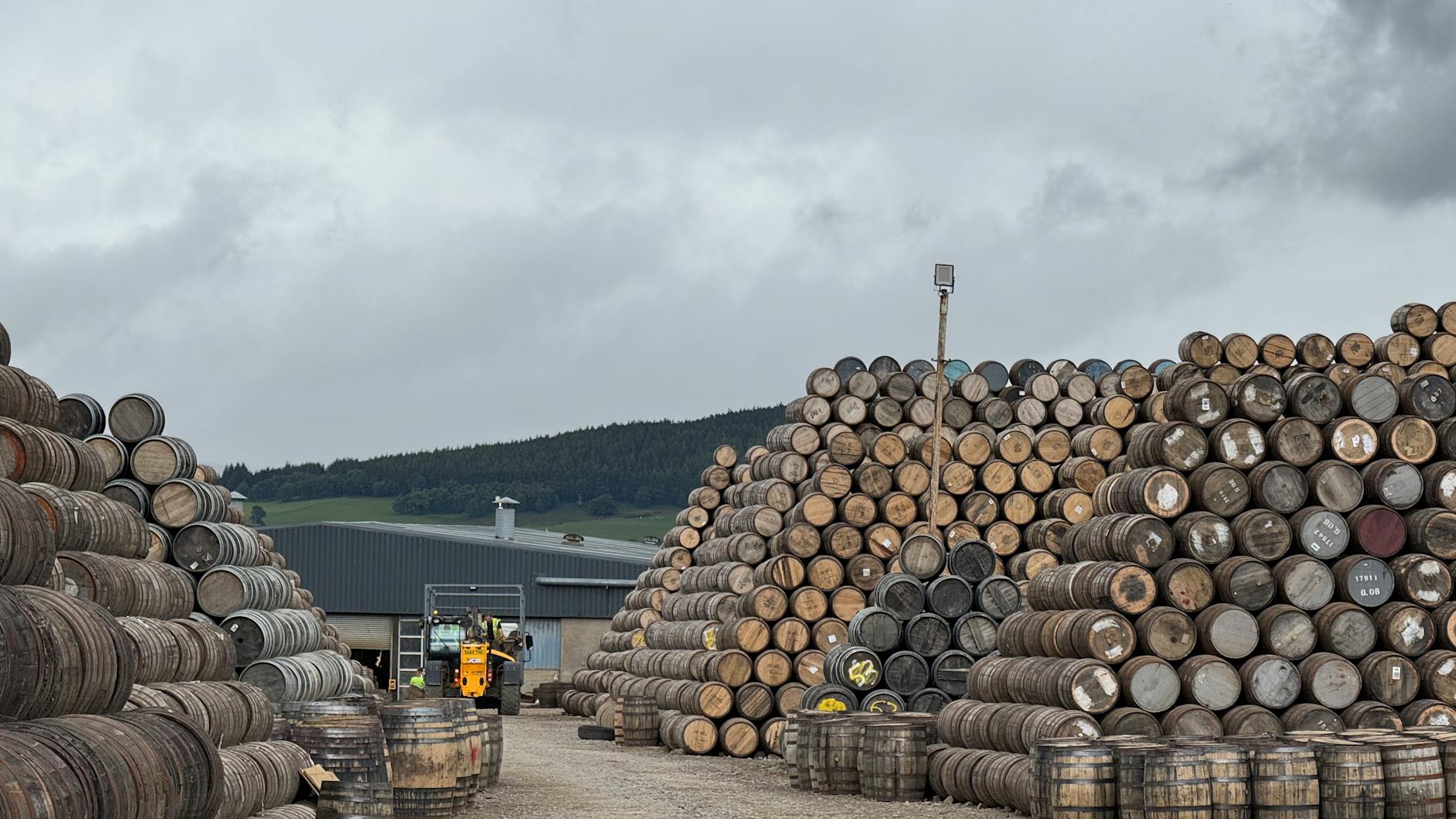
For investors already active in whisky casks or rare bottle portfolios, a release like this functions as a market signal rather than a direct buying opportunity in isolation. It confirms that Islay single malts with verifiable provenance and limited production continue to attract premium demand from a broadening buyer base — one that now includes entertainment fans, luxury goods collectors, and institutional alternative asset funds. The secondary bottle market, while liquid, carries storage, insurance, and authentication costs that erode net returns. Cask investment, by contrast, allows investors to hold maturing Scotch at the source, benefiting from the angel's share reduction in volume, increasing age statements, and the compounding scarcity that drives long-run price appreciation.
Investors looking to build meaningful exposure to Islay-style peated whisky should consider cask positions in distilleries with comparable production profiles and growing international demand. A single first-fill bourbon cask of peated Islay-style whisky purchased at new-make stage typically costs between £5,000 and £15,000 depending on distillery and cask size, with projected 10-year returns in the range of 8–12% per annum based on historical cask appreciation data from the Scotch Whisky Association and independent brokers. The Dafoe-Laphroaig release is a reminder that the market for premium Islay whisky is not cooling — it is attracting new audiences and new capital.
Investment Takeaway
The Willem Dafoe and Laphroaig collaboration is more than a marketing exercise — it is evidence of sustained and broadening demand for premium Islay single malts with traceable provenance and genuine scarcity. For portfolio-minded investors, the actionable insight is not necessarily to chase the limited bottle at retail or on the secondary market, but to recognise the underlying trend: aged, peated Scotch whisky from credible distilleries continues to attract premium pricing and expanding buyer demographics. Allocating to whisky casks — particularly from Islay or Islay-style distilleries — ahead of continued demand growth remains one of the more compelling risk-adjusted opportunities in the alternative assets space. Investors with a 5–10 year horizon and a minimum allocation of £10,000 should be actively reviewing cask opportunities now, before further institutional interest compresses entry points.
💼 Interested in alternative asset investment? Speak to the team at Whisky Cask Club — Singapore's leading whisky cask investment specialists.
Frequently Asked Questions
What makes the Willem Dafoe and Laphroaig whisky a limited-edition investment opportunity?
The release is a 14-year-old single malt selected in collaboration with Laphroaig's senior whisky maker Sarah Dowling and actor Willem Dafoe. Its investment appeal stems from the combination of distillery prestige, a meaningful age statement, named provenance, and the scarcity inherent in any numbered celebrity-associated edition. Secondary market data consistently shows such releases command a 30–60% premium over comparable standard bottlings within 24 months.
How does celebrity involvement affect whisky resale values?
Celebrity-backed releases create dual demand from both whisky investors and entertainment or memorabilia collectors, compressing secondary market supply faster than standard releases. This dynamic has been observed across spirits categories and typically results in rapid sell-outs at retail followed by significant mark-ups on resale platforms within weeks of launch.
Is buying limited-edition whisky bottles or whisky casks a better investment strategy?
Bottle investment offers liquidity and accessibility but carries storage, insurance, and authentication costs that reduce net returns. Cask investment provides exposure to maturing Scotch at the source, with compounding scarcity as the whisky ages and volume reduces through the angel's share. For investors with a 5–10 year horizon, casks generally offer superior risk-adjusted returns, with projected annual appreciation of 8–12% based on historical data.
Why is Laphroaig considered a strong distillery for whisky investment?
Laphroaig holds a Royal Warrant from King Charles III and is one of the most consistently traded Islay single malts at major auction houses including Sotheby's, Bonhams, and Whisky Auctioneer. Its global brand recognition, distinctive peated profile, and sustained collector demand make it one of the more reliable distilleries for secondary market liquidity and price appreciation.
What is the minimum investment required to enter the whisky cask market?
A single first-fill bourbon cask of peated Islay-style whisky purchased at new-make stage typically costs between £5,000 and £15,000 depending on the distillery and cask size. Investors with allocations of £10,000 or more are generally considered well-positioned to access quality casks with meaningful appreciation potential over a 5–10 year holding period.
💼 Interested in alternative asset investment? Speak to the team at Whisky Cask Club — Singapore's leading whisky cask investment specialists.